
Thick, upright green leaves grow from the base, not from a tall central stem. https://plants.ces.ncsu.edu/plants/aspidistra-elatior/ describes evergreen, spreading rhizomes and some striped or speckled cultivars. The tiny flowers, when present, are near soil level.
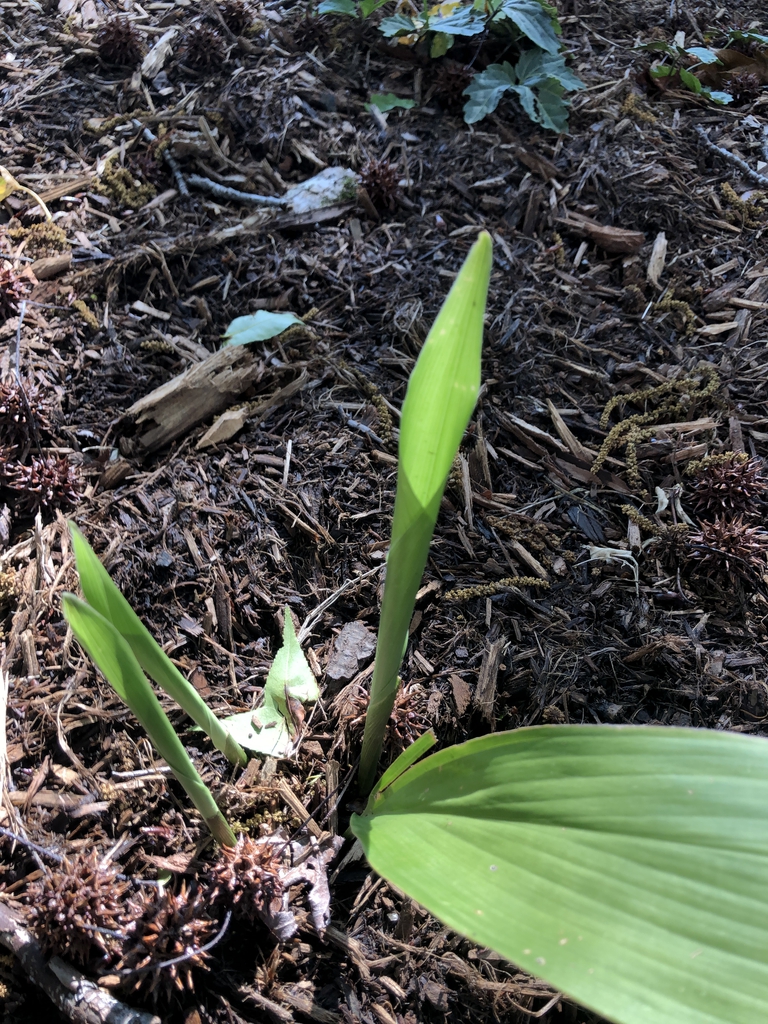
Cathy DeWitt, CC BY 4.0, via NC State Extension Plant Toolbox: https://plants.ces.ncsu.edu/plants/aspidistra-elatior/ . Original https://eit-planttoolbox-prod.s3.amazonaws.com/media/images/Aspidista-Cast-Iron-_kPX12cvdZKx2.jpeg . License https://creativecommons.org/licenses/by/4.0/
Cast iron plant
Aspidistra elatior · Asparagaceae
Also known as: Barroom plant, iron plant
Cast iron plant is a slow-growing, evergreen foliage plant for shaded spots. Tall, leathery leaves arise from rhizomes. It tolerates some drying but needs freely draining soil and protection from direct hot sun. ASPCA lists it as non-toxic to cats and dogs.
- Light
- Low light tolerant, Medium light
- Care level
- Beginner friendly
- Where it grows
- Indoors, Outdoors in warm climates
- Cats and dogs
- Non-toxic to pets Source (opens in a new tab)
ASPCA lists Aspidistra elatior as non-toxic to cats and dogs. The ASPCA entry uses an older family name; NC State places it in Asparagaceae. Verify identification; non-toxic does not mean suitable as pet food.
How to identify it
Light
Choose shade or low-to-medium indirect light. NC State recommends dappled to deep shade; strong direct sun can damage leaves. A low-light tolerant plant still needs ambient light to grow.
Potting mix and drainage
Use organic-rich yet well-draining potting mix in a pot with drainage holes. NC State describes adaptability to many soils but prefers drainage. https://yardandgarden.extension.iastate.edu/how-to/how-care-houseplants advises against compacted outdoor soil in indoor pots. Empty standing water in an outer pot.
When to water
Feel the potting mix first. During active growth, water when the surface has dried and the lower mix is no longer very wet, then let the pot drain. NC State recommends regular spring-to-autumn watering and sparing winter water despite the plant's drought tolerance. Avoid an automatic weekly interval.
Humidity and temperature
The reliable care guidance emphasizes sheltered shade and good drainage rather than an exact indoor humidity target. NC State lists outdoor USDA zones 7a–11b; those zones are not short-term frost forecasts. Avoid exposing a container plant to abrupt freezes or drying winter winds.
Feeding
Slow growth is normal for this plant. Before feeding, check light and roots. https://yardandgarden.extension.iastate.edu/how-to/how-care-houseplants notes that some potting media already contain fertilizer; use a houseplant product only according to its label during active growth.
Propagation
NC State describes underground rhizomes. To multiply an established healthy clump, divide only rooted sections with growing points when repotting. Do not expect an unrooted leaf alone to grow a new plant. Avoid promises of a fixed success rate.
Growth and size
This evergreen perennial forms slow-growing, upright clumps rather than vines. NC State lists an outdoor size around 1–3 feet wide and high, although indoor containers vary. Give leaves room and wipe dust gently if needed.
Warning signs
Scorched patches after a move: reassess direct sun. Yellowing in a persistently wet pot: inspect drainage before feeding. Slow production of new leaves alone is not a disease diagnosis. NC State lists few serious pests, but inspect damaged foliage rather than applying treatments blindly.
Related guides
Sources
- NC State Extension: Aspidistra elatior (checked October 14, 2026)
- ASPCA: Cast Iron Plant (checked October 14, 2026)
- Iowa State Extension: How to Care for Houseplants (checked October 14, 2026)
Last reviewed