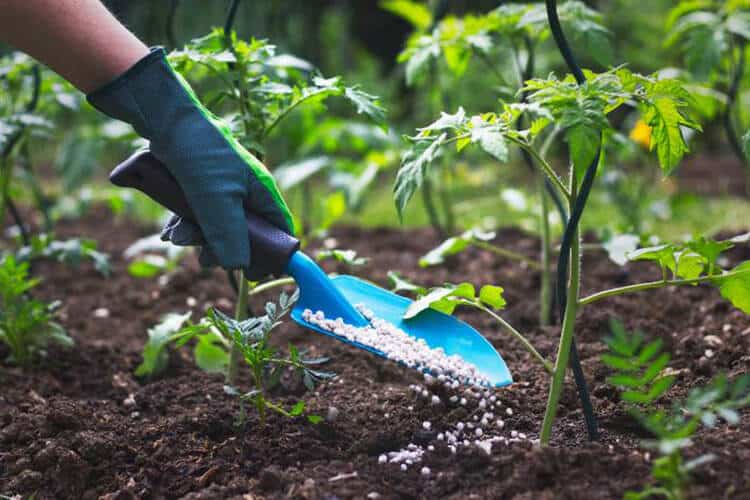
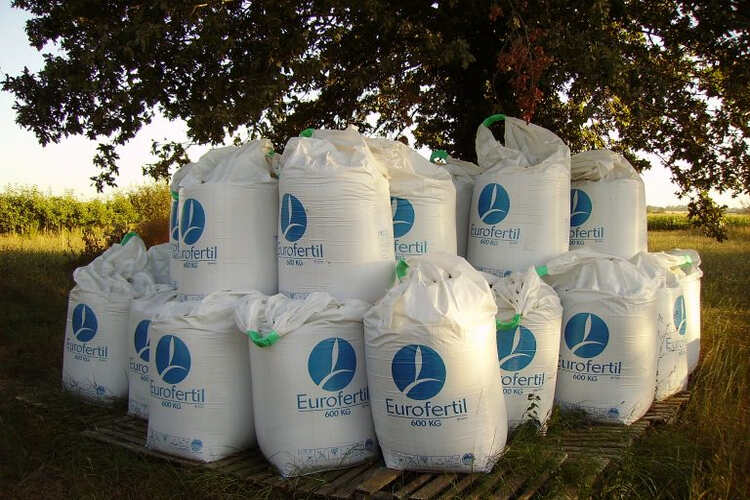
Understand what fertilizers do, when plants benefit from feeding and why more is not always better. Compare fertilizer types, application timing, watering after feeding and common mistakes. Check product labels and local soil recommendations before choosing an amount or schedule.
On product labels, plant food usually means fertilizer. Plants make their own carbohydrates through photosynthesis while fertilizer supplies mineral nutrients; here's how to read the terms....
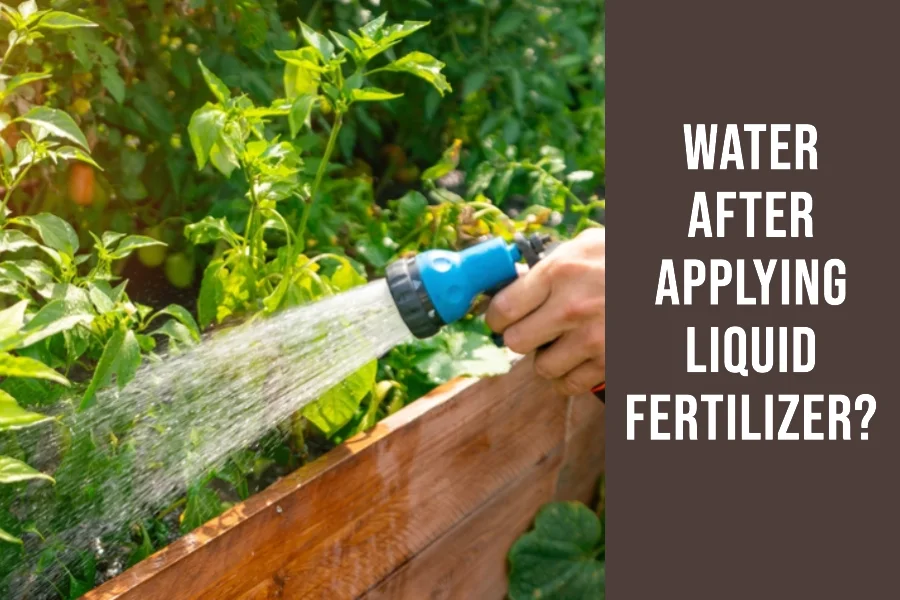
Whether to add water after liquid fertilizer depends on whether it was diluted, applied to soil or sprayed on leaves. Follow label directions rather than a...
A suitable fertilizer can improve growth when nutrients are limiting; excess nitrogen or a stronger N-P-K ratio will not fix low light, weak roots or poor...
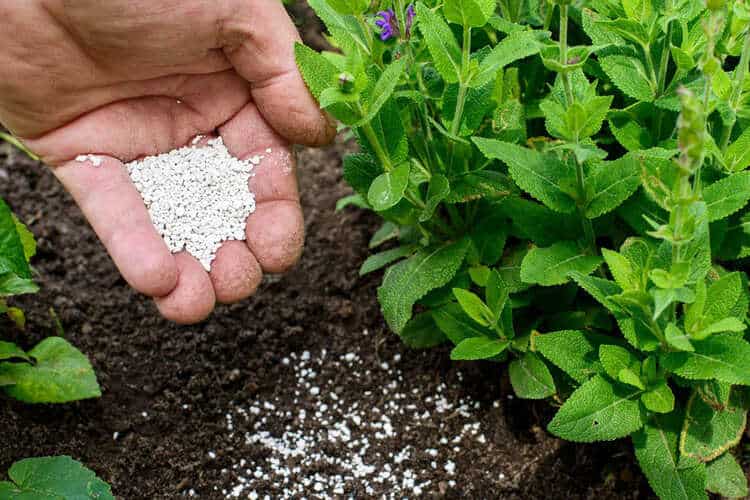
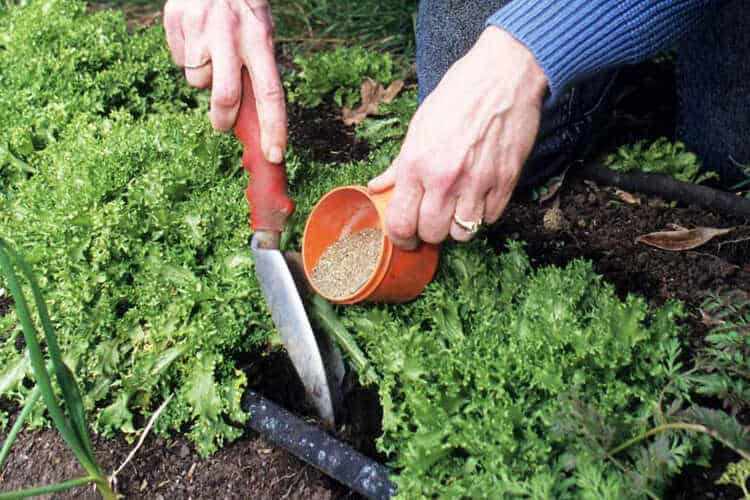
Dry fertilizer granules often need rain or irrigation to move nutrients into soil. Learn when to water, why leaf burn and runoff matter, and when the...
Morning is often convenient, but fertilizer type, soil moisture, weather and the product label matter more than a particular hour. Learn when to feed and when...
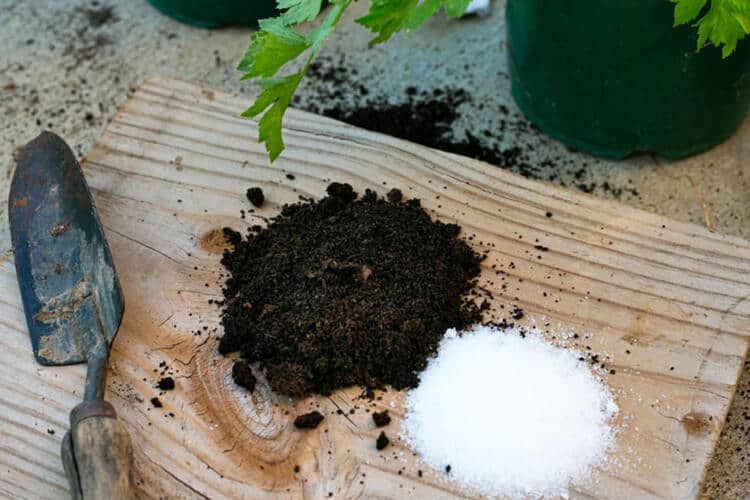
Epsom salt supplies magnesium and sulfur, not a general growth booster. Mix it with fertilizer only when a deficiency is confirmed and the product instructions allow...
Granular fertilizer has no single dissolution time. Water-soluble, organic and controlled-release pellets behave differently; learn what governs nutrient release and how to use each.
An all-purpose fertilizer can serve many plants, but not every crop or container needs the same N-P-K ratio or dose. Learn when one product is enough...
Compare organic and synthetic fertilizer, soluble liquids, granular feeds and controlled-release pellets. Learn how N-P-K, soil tests and plant needs determine the best choice.