
Parlor palm, Chamaedorea elegans, has thin green upright stems and arching feather-like leaves divided into narrow leaflets. NC State Extension notes that multiple small individual palms are frequently planted together to create a full pot. It is not a fern or a species with broad undivided leaves.
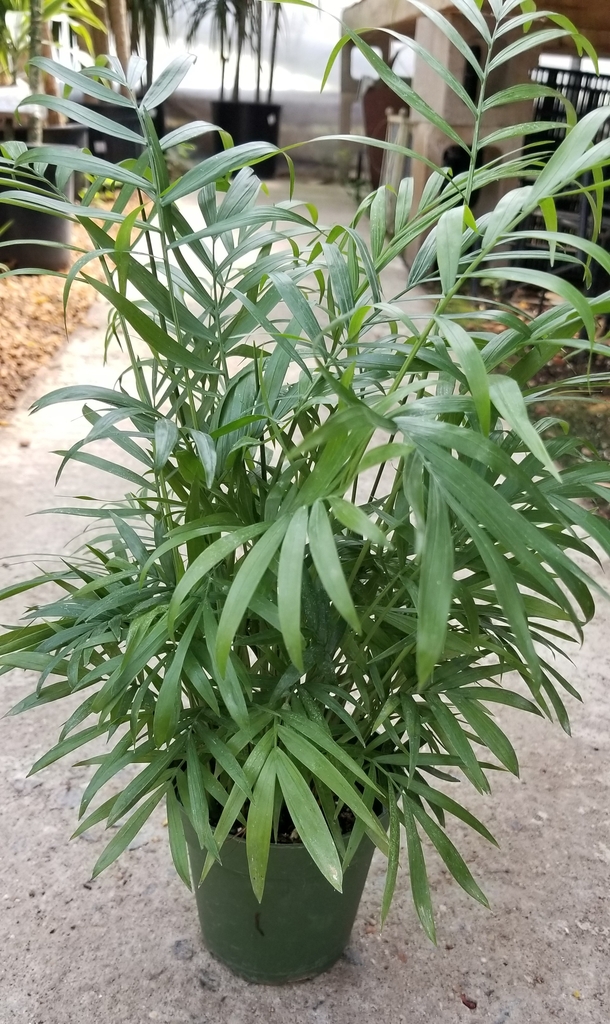
Cindy Christian, CC BY 4.0, NC State Extension Plant Toolbox (https://plants.ces.ncsu.edu/plants/chamaedorea-elegans/). Original: https://eit-planttoolbox-prod.s3.amazonaws.com/media/images/20250724_111430_Cham_6ELfDQ4It62b.jpeg. License: https://creativecommons.org/licenses/by/4.0/.
Parlor palm
Chamaedorea elegans · Arecaceae
Also known as: Parlor palm, parlour palm, neanthe bella palm, good luck palm
Parlor palm is a slow-growing indoor palm with fine, arching leaflets. Give bright indirect light, allow slight drying between waterings, and keep roots drained. ASPCA lists it as non-toxic to cats and dogs.
- Light
- Low light tolerant, Medium light, Bright indirect light
- Care level
- Beginner friendly
- Where it grows
- Indoors, Outdoors in warm climates
- Cats and dogs
- Non-toxic to pets Source (opens in a new tab)
ASPCA lists Chamaedorea elegans as non-toxic to cats and dogs. Confirm botanical identification because other so-called palms differ. Non-toxic does not mean edible. NC State cautions that ripe fruit pulp can irritate sensitive human skin.
How to identify it
Light
Give bright indirect light where possible, but expect some tolerance of lower light. NC State recommends a north- or east-facing window. Low-light tolerance is not permission to keep it in darkness. Look for gradual growth and avoid suddenly exposing shade-grown foliage to harsh afternoon sun. See how to measure indoor light.
Potting mix and drainage
Use a humus-rich, well-drained container mix and a pot with drainage holes. NC State emphasizes drainage and cautions against excessive watering. Empty water collected in a decorative outer pot. Iowa State Extension advises against trying to fix a pot without drainage by adding a gravel layer.
When to water
Let the mix dry slightly between waterings. This follows NC State, which also says the palm looks lusher with adequate moisture. Check the actual mix rather than setting a seven-day schedule, then water thoroughly until excess drains. If soil remains wet, wait; if leaves wilt, investigate both moisture and roots before adding more water. Learn to test pot moisture.
Humidity and temperature
Parlor palm tolerates low-to-moderate household humidity according to NC State, but keep it away from cold drafts or hot vents. The same source lists outdoor USDA hardiness zones 10a–12b. A climate zone is not a near-term frost forecast: protect container plants in cold spells. Browning tips can have several causes, so check room conditions and soil together.
Feeding
Feed modestly in active growing periods. NC State recommends periodic feeding during growth and none in winter; follow the product label instead of inventing a dose. Iowa State Extension notes that new potting mix may already contain fertilizer. Slow growth alone is not evidence of nutrient deficiency.
Propagation
Unlike pothos, parlor palm is generally propagated from seed rather than leaves or stem sections. UF/IFAS Extension explains that most palm species are seed-propagated and germination can be slow and uneven. NC State documents separate male and female flowers, with fruit uncommon indoors. A nursery pot often contains multiple rooted palms; do not assume a leaf clipping will grow another palm.
Growth and size
NC State Extension describes slow growth, narrow divided leaflets and slender stems. A mature palm can produce small flowers, but fruit is uncommon indoors. Shops often pot several seedlings together; this fuller appearance does not mean a single palm naturally develops many branching trunks. Keep enough space for its leaves to arch without rubbing against furniture.
Warning signs
- Yellowing while wet: check drainage and roots before watering (NC State).
- Crisp brown tips: inspect dry mix, sun and hot air before assuming one cause.
- Fine webbing or cottony insects: NC State identifies spider mites and mealybugs as possible pests; inspect carefully before choosing control. No unsupported pesticide recipes.
- Little new growth: slow growth is normal; also check available light and roots.
Related guides
Sources
- NC State Extension: Chamaedorea elegans: identity, care and hardiness (checked October 13, 2026)
- ASPCA: Toxic and Non-toxic Plants: Parlor Palm (checked October 13, 2026)
- Iowa State Extension: How to Care for Houseplants (checked October 13, 2026)
- UF/IFAS Extension: Palm Seed Germination (checked October 13, 2026)
Last reviewed