
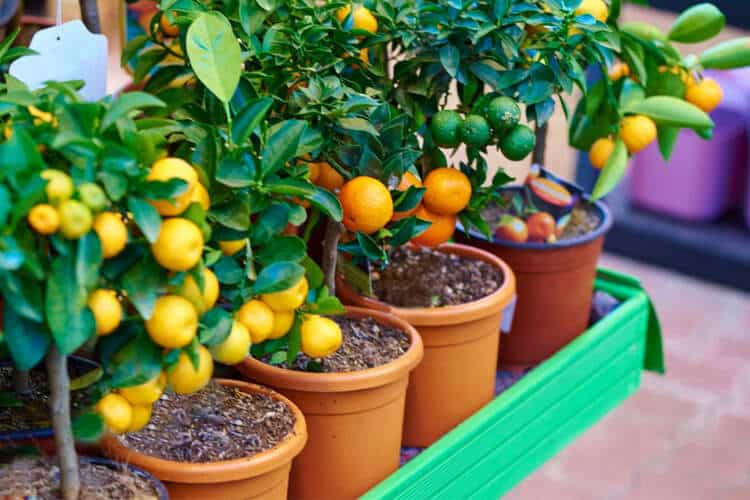
Fertilize potted citrus trees when they are actively growing, using a product suited to the crop and container. In many temperate indoor settings that means spring through summer. In warmer or artificially lit environments, the active period can differ. A citrus tree indoors during a dim cold winter generally uses nutrients more slowly; feeding heavily anyway may create salt buildup rather than better fruit.
Why there is no universal fertilizing month
Citrus responds to light, temperature and growth rather than one calendar shared by every climate. University of Minnesota Extension says that indoor citrus should be fed while actively growing, usually April through August or September in its northern U.S. example. That seasonal guidance should not be treated as a worldwide fixed rule. A protected evergreen tree in a warm, bright region may grow at different times, while a citrus plant in a cool room may pause even when a calendar says spring. Look for new leaves and shoot growth, and consider whether the potting mix already contains fertilizer.
How fertilizer type changes the interval
A diluted water-soluble feed delivers nutrients promptly and may be applied at the interval stated on its label. A controlled-release granular product provides nutrients for a longer period; the number of weeks depends on formulation and temperature. Do not use both at full rates without accounting for overlap. Fertilizer spikes are not automatically superior and can produce localized concentrations. Read the product instructions for rates based on container size or plant size, and verify the product is suitable for citrus or the intended edible crop.
What to do before every feeding
- Check that the citrus is actively growing and has access to adequate light.
- Inspect soil moisture, drainage holes and whether roots are healthy; do not feed a plant suffering from chronic saturation as an emergency fix.
- Choose a citrus-suitable complete fertilizer with appropriate micronutrients and read the label.
- Measure the rate rather than guessing, and apply evenly to the moist root zone as directed.
- Water appropriately and drain away excess; monitor for white salts, tip burn or leaf decline.
Indoors, outdoors and winter care
An indoor Meyer lemon needs bright light to sustain healthy foliage and fruit; low light often limits growth before nutrients do. Summer outdoors may improve light after careful acclimation, but containers dry faster in the sun and fertilizer can leach with water. Return trees before cold nights and adjust watering as light falls. University of Minnesota Extension recommends a specialized fertilizer for acid-loving plants at reduced strength in its indoor citrus guidance. For your product, use the actual label and do not extrapolate this dilution to every slow-release formulation.
How to recognize problems that aren't fertilizer deficiency
Yellowing can follow pests, cold stress, irregular water or root damage. Browning tips and white crust on the mix can indicate accumulated salts. Poor fruit set often reflects inadequate light or pollination, not a missing nutrient miracle. Observe roots, leaf undersides and new growth before feeding more often. Use step-by-step lemon fertilizing if you need application details and the citrus overfeeding guide for warning signs.