
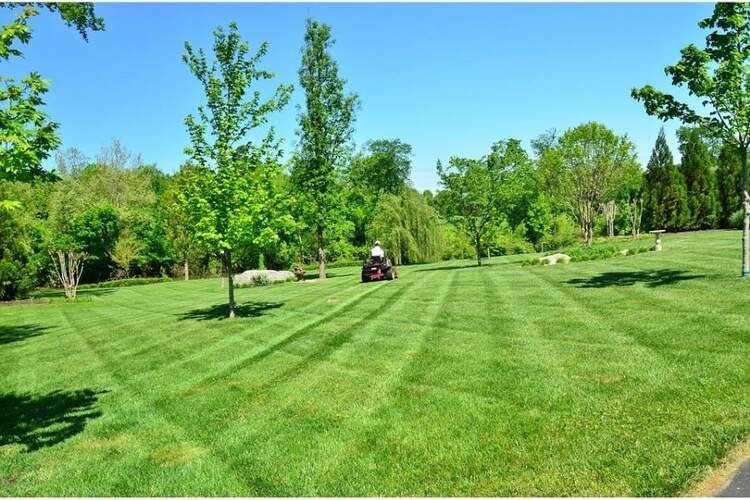
Choose Bermudagrass for a sunny, hot-summer lawn where its vigorous spreading growth is useful; choose an adapted tall-fescue mix for cooler seasons or parts of the transition zone where summer heat is manageable. The right choice depends on your local climate, hours of sun, irrigation capacity and whether a brown winter lawn is acceptable.
At a glance
| Factor | Bermudagrass | Tall fescue |
|---|---|---|
| Growth season | Warm-season; fastest in hot weather | Cool-season; most active in spring and autumn |
| Winter appearance | Usually dormant and brown in cold conditions | Often retains color through mild winters |
| Summer response | Excellent heat tolerance when established | May thin or go dormant with severe heat and drought |
| Shade | Poor tolerance of persistent shade | Some tolerance depending on cultivar, climate and tree competition |
| Spread | Vigorous stolons and rhizomes | Usually a bunch-forming lawn requiring overseeding of gaps |
| Maintenance | Regular low mowing and summer feeding in suitable regions | Higher mowing and mainly cool-season feeding |
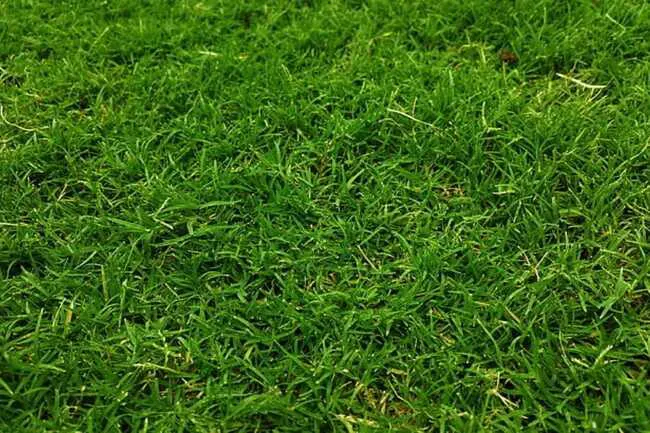
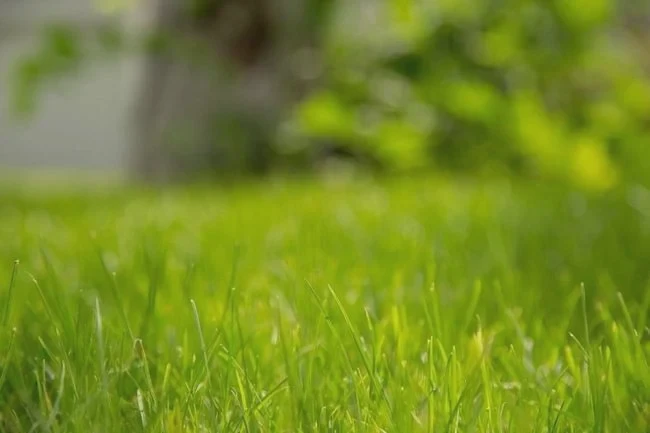
Match the grass to the site, not the photograph
In much of the southern United States, Bermuda performs best in full sun and summers hot enough to support active growth. Tall fescue is better adapted to the cooler months and may struggle with heat, especially where air circulation is poor and summer nights stay warm. The transition zone presents the hardest choice: both grasses can have a stressful season, so locally tested cultivars and extension recommendations matter.
Neither species solves deep tree shade, poor drainage or heavy competition from surface roots. Assess those conditions before buying seed or sod.
Installation and repair are different
Bermuda lawns can establish from seed, sprigs or sod depending on cultivar; some hybrid types are vegetatively propagated. Their runners can fill small bare spaces under good summer conditions. Tall fescue is generally seeded as a turf-type cultivar blend; it establishes in cooler weather and does not reliably knit over bare areas the way Bermuda does. Seed new fescue at the regionally recommended fall window instead of forcing establishment in summer heat.
Watering, mowing and fertilization
Keep Bermuda appropriately short with frequent cuts while actively growing; leave tall fescue longer to shade the soil and protect its crown. Exact mowing heights and fertilizer rates depend on cultivar and region, so follow a local lawn calendar. Use a soil test instead of treating every yellow patch as a nitrogen deficiency. Water deeply when needed and make adjustments for soil texture, rainfall and establishment stage.
Do not give fescue a Bermuda feeding schedule: cool-season lawns generally receive their main nitrogen in fall, while Bermuda receives it after spring green-up and during warm-season growth. For companion reading see why Bermuda turns brown and healthy lawn basics.
A practical decision
Pick Bermuda for open sunny yards with intense heat, active play and tolerance for dormancy color. Pick tall fescue where a cool-season turf is locally recommended and you can manage summer irrigation and disease risks. For small shaded patches, consider a shade-adapted groundcover rather than trying to force either grass to thrive.