
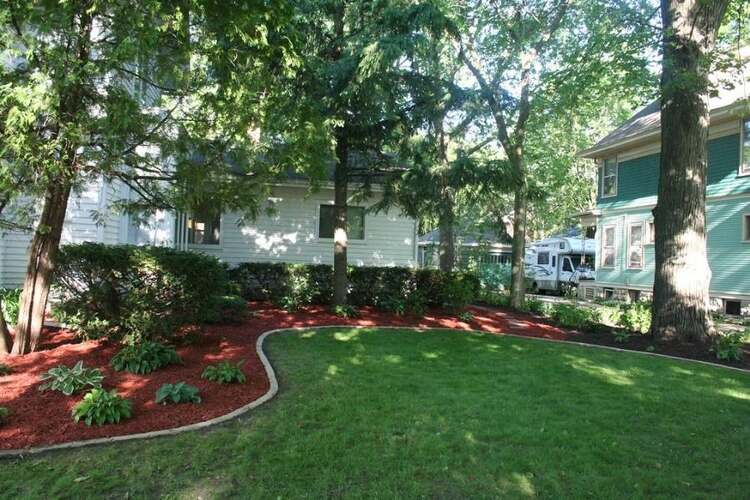
Bermudagrass is a sun-loving turfgrass, not a dependable choice for substantial shade. It may persist under light, brief shade in some locations and cultivars, but thinning, weaker rooting and increased weed pressure are common under trees or beside buildings. Fertilizer and extra watering cannot make up for inadequate light.
Why shade changes Bermuda growth
Bermuda uses sunlight to fuel vigorous warm-season growth and produce the runners that repair worn areas. When a tree canopy, fence or building cuts light, photosynthesis and shoot density decline. The turf stretches and opens, leaving soil exposed to weeds and erosion. Nearby tree roots also compete for water, so a shaded spot can be simultaneously light-limited and moisture-stressed.
Assess the amount and type of shade
- Watch the location at morning, midday and afternoon during the growing season.
- Distinguish dappled light from a site shaded continuously by a wall or dense evergreen.
- Check whether bare spots follow the shadow pattern rather than sprinkler coverage.
- Consider the tree's roots, leaf litter and drainage, not just the sun.
A cultivar advertised as more shade-tolerant is not automatically suited to a heavily shaded yard. Ask a local extension turf specialist what has worked in the region and check cultivar data.
What helps—and what does not
Pruning an overhanging branch may improve light when done correctly and safely, but do not damage a valuable tree simply to grow turf. Reduce traffic on weak areas and avoid close mowing that further reduces leaf area. Water based on actual soil need, not an automatic extra schedule for shade. Too much nitrogen can make soft growth without restoring the light Bermuda needs.
If a lawn remains thin despite sound care, switch the area to mulch, a path or a shade-appropriate groundcover that is not invasive locally. Tall fescue has some shade tolerance in suitable cool-season climates, but it also requires adequate light and proper summer care.
Choosing a better lawn strategy
Use Bermuda on the hot, sunny part of the yard and design the permanently shaded part differently. Avoid blending incompatible grasses simply to keep one identical-looking lawn year-round. For turf selection details read Bermuda versus fescue; if thinning is accompanied by brown patches, check the brown Bermuda diagnostic guide.