
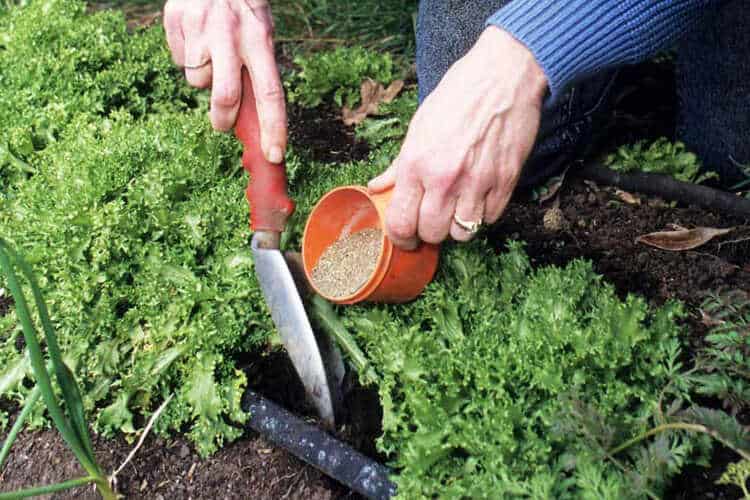
Morning is a practical time to fertilize many plants, but there is no universal 'best hour.' Apply fertilizer when the plant is actively growing, the soil is appropriately moist, and the product label and weather make application safe. For granular lawn fertilizer, follow its watering-in directions. For liquid feeds, mix to the specified strength and avoid applying to severely wilted or heat-stressed plants.
Morning versus evening
In the morning, temperatures may be cooler, you can see what you're applying, and foliage has time to dry if it gets wet. Evening can also be suitable for a root-zone treatment when temperatures are mild, but leaving leaves wet overnight is undesirable for plants prone to leaf disease. Neither time creates an automatic increase in nutrient absorption: available nutrients, healthy roots, moisture and growth stage matter far more.
| Situation | Practical timing |
|---|---|
| Water-soluble fertilizer in containers | Apply with normal watering when the mix calls for it; use the label dilution |
| Granular garden feed | Apply when conditions permit, then water in as directed |
| Established lawn | Follow turf species, season and product-specific application/watering instructions |
| Foliar feeding | Follow label restrictions about sun, temperature and drying time; do not improvise mixtures |
When should you skip fertilizer?
- When a plant is wilted from dry soil, water and assess recovery before considering a nutrient application.
- During heat, drought, extreme cold or prolonged waterlogging when roots cannot function normally.
- For many dormant plants, until growth resumes or a species-specific schedule recommends feeding.
- When a soil test already shows sufficient phosphorus or potassium. More fertilizer is not automatically beneficial.
- Immediately before heavy rainfall that could wash fertilizer into drains and waterways.
Should soil be watered first?
Moisture needs differ by fertilizer form. For a liquid concentrate, dilute it fully with water according to the label; if the potting mix is extremely dry, rehydrate it appropriately first so solution does not rush through channels. For dry granules, many labels call for water afterward to move nutrients toward roots. Some combined herbicide-and-fertilizer products have different requirements, so the product label takes precedence over broad advice.
What month should you feed plants?
Look at the plant's growth cycle rather than the calendar alone. Actively growing houseplants may need occasional nutrition under adequate light; low-light winter growth often means less. Lawns differ substantially by grass species and region, and many woody plants need no routine feeding without evidence of a deficiency. Soil testing is especially useful before repeated garden-bed applications.
A quick application checklist
- Identify the plant and its growth stage.
- Check watering needs and any signs of root stress.
- Read the product's nutrient analysis and rate for that plant or area.
- Check the forecast and avoid heat/drought or runoff conditions.
- Apply at the specified amount, water as directed, and note the date to avoid repeat dosing.
Good fertilizer timing supports healthy growth; it cannot substitute for suitable light, drainage or a correct nutrient rate.