
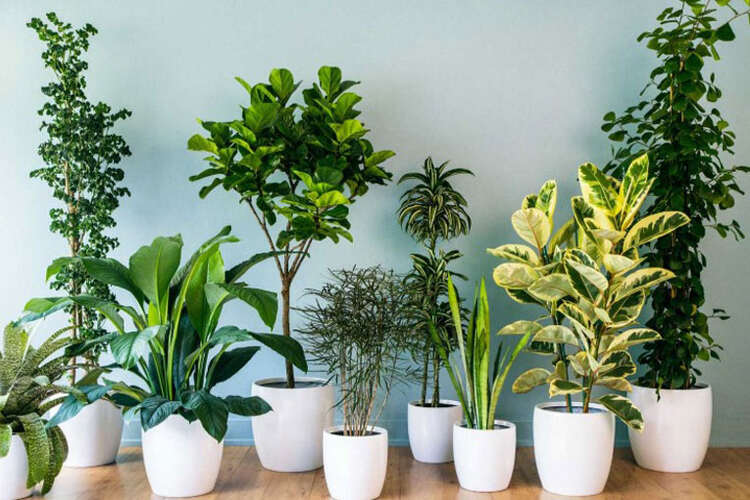
One general-purpose fertilizer can be useful for many plants, but one rate and formula do not fit everything. Start with the nutrients already in your soil, the plant's stage of growth and the label's approved uses. A balanced soluble fertilizer might suit several actively growing container plants at different dilutions, while a lawn, vegetable bed or acid-loving plant may need a more targeted approach.
When an all-purpose fertilizer is enough
For ordinary foliage houseplants in fresh potting mix, one suitable labeled general-purpose feed is often simpler than buying specialty bottles. Container plants commonly lose nutrients as water drains through pots, so small applications during active growth may be appropriate. Read the nutrient analysis and any instructions specific to indoor plants, seedlings or edible crops.
When you need a different product
| Plant or growing situation | What changes your choice |
|---|---|
| Lawn | Turf species, seasonal growth and soil-test findings; avoid unneeded phosphorus |
| Vegetable bed | Soil nutrient levels, crop stage and safe application rates for edible crops |
| Succulents or slow-growing containers | Low nutrient demand and risk of salt buildup from repeated feeding |
| Seedlings | Young roots are sensitive; starter mix may already contain fertilizer |
| Hydroponic culture | Requires a complete nutrient solution suited to the system, not ordinary soil feed |
| Plants with chlorosis | Check root health, pH and nutrient deficiency before assuming nitrogen is missing |
How to compare fertilizer labels
The three large numbers represent percentage by weight of nitrogen (N), phosphate (P₂O₅) and potash (K₂O), not a guarantee of growth speed. For example, 10-10-10 contains 10% of each labeled nutrient category, while 20-20-20 is twice as concentrated by weight; different label rates can deliver similar nutrient amounts. Check micronutrients, release form, directions, and the plant or use site specified by the label.
Can you use the same fertilizer at different strengths?
Only within label instructions. A concentrated product diluted appropriately may meet the needs of different containers, but never assume a weaker dose makes an incompatible product safe. Specialty lawn fertilizers, weed-and-feed mixtures and products not labeled for food plants should not be repurposed across every plant group.
How to know whether plants need feeding
- Check light, moisture, drainage, root crowding and any recent repotting first. Poor growth can result from these issues without a nutrient deficiency.
- For garden beds and lawns, use a soil test to understand nutrient levels and pH.
- If fertilizer is indicated, match a product to the shortage and follow a measured rate.
- Record applications and watch subsequent healthy growth, not an overnight 'boost.'
When not to fertilize
Skip unnecessary feeding during prolonged dormancy, drought stress, active root problems or after a substantial nutrient application. Excess salts may injure roots and runoff can pollute waterways. Choosing fewer products and using them correctly is often better than collecting several bottles without a plan.