
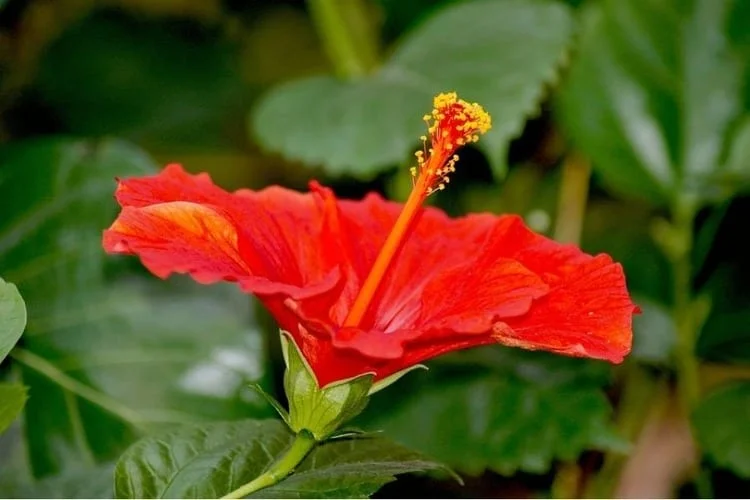
Identify the plant and its flowering season
Low light and unsuitable temperatures are common reasons hibiscus fails to flower. Before changing care, confirm whether you have tropical Hibiscus rosa-sinensis or a hardy garden hibiscus. Tropical varieties can bloom repeatedly in warm, bright conditions. Many hardy kinds flower mainly in summer and then go dormant as temperatures fall. A plant between normal bloom periods is not necessarily unhealthy.
Individual tropical hibiscus blossoms commonly fade after about one day, which is different from a plant failing to make buds. If your flowers open and close on the same day, see the flower-duration guide.
Not enough direct sunlight
Hibiscus needs bright light to produce reliable blooms, especially indoors. University of Minnesota Extension recommends a bright sunny exposure, with several hours of direct light for an indoor tropical hibiscus. A room that looks bright to a person may still be insufficient for the plant, especially when the pot stands several feet from a small window.
Move the plant closer to stronger light gradually. A shaded specimen suddenly placed in strong outdoor midday sun can scorch, so allow it to acclimate over several days. Check the amount of light reaching its foliage rather than relying only on which direction the window faces.
Cold weather and abrupt changes
Warmth is important for tropical hibiscus bud development. Minnesota Extension notes that daytime temperatures around 65–75°F are favorable indoors; colder conditions can prevent bud formation or cause bud drop. Keep the pot away from cold glass, drafty doors, radiators and air-conditioning outlets.
Moving a plant between a sunny summer patio and the indoor winter environment changes temperature, light and humidity simultaneously. Some bud loss during this transition is possible, even when roots and leaves are otherwise sound. Acclimate gradually and protect tropical hibiscus from frost.
Soil is too dry—or stays too wet
Regular flowering depends on functioning roots. Tropical hibiscus prefers relatively moist but freely draining medium during active growth. A bone-dry pot may wilt and abort buds, while a saturated root ball can lose oxygen and cause similar symptoms. Check moisture below the surface, water thoroughly when it is needed and let all excess drain.
University of Maryland Extension explains why waterlogged roots can cause wilting and yellow leaves. If foliage droops while the container feels heavy and wet, do not keep adding water. Follow the drainage and root-check guide instead.
Pruning delays new flower buds
Hibiscus often flowers on newer shoots. Cutting back a healthy plant can encourage branching, but removing tips shortly before buds develop delays the next display. Avoid repeated heavy cuts when you want flowers. Late winter shaping may be appropriate for a healthy tropical container plant before vigorous seasonal growth begins.
If you pruned recently and new leaves are appearing without buds, allow sufficient time for flowering shoots to develop. Do not attempt to compensate immediately with a concentrated fertilizer dose.
Nutrition, pests and pot condition
During active growth, a potted hibiscus may need a complete fertilizer used according to the product label. Too much feeding can injure roots, and excessive nitrogen may promote foliage without improving flowering. Before adding more, check light, root health and whether the existing potting mix already contains nutrients.
Look beneath leaves and on developing buds for aphids, mealybugs, scale, spider mites or whiteflies. Heavy insect feeding can damage buds and shoots. Separate a suspected infested plant from other houseplants, identify the pest and choose only an appropriate labeled treatment when needed.
Seven checks to restore bloom
- Identify the species and whether it should be flowering in this season.
- Measure the actual amount of bright light and increase it gradually if needed.
- Keep the tropical plant warm and away from drafts or frost.
- Check moisture below the soil surface and empty standing water after irrigation.
- Inspect growing tips, leaf undersides and roots if symptoms point to pests or rot.
- Pause repeated hard pruning while buds are expected.
- Feed moderately only when the roots are healthy and the plant is actively growing.
Illinois Extension's tropical hibiscus guidance describes its sun, watering and overwintering needs. If leaves wilt as well as flower buds disappearing, see why hibiscus wilts first.
Frequently asked questions
Why does my hibiscus have leaves but no flowers?
First check light and whether the plant is in its natural flowering period. Lush leaves and few buds may also follow excessive nitrogen feeding or pruning of young flowering shoots.
Why do buds drop before they open?
Sudden environmental changes, drought, saturated roots, chill and pests are possibilities. The pattern and recent care history help identify the most likely problem.
Will more fertilizer make it bloom all winter?
No. Nutrients cannot substitute for adequate light, warmth, a healthy root system or the plant's seasonal growth pattern. Overfeeding can make matters worse.