
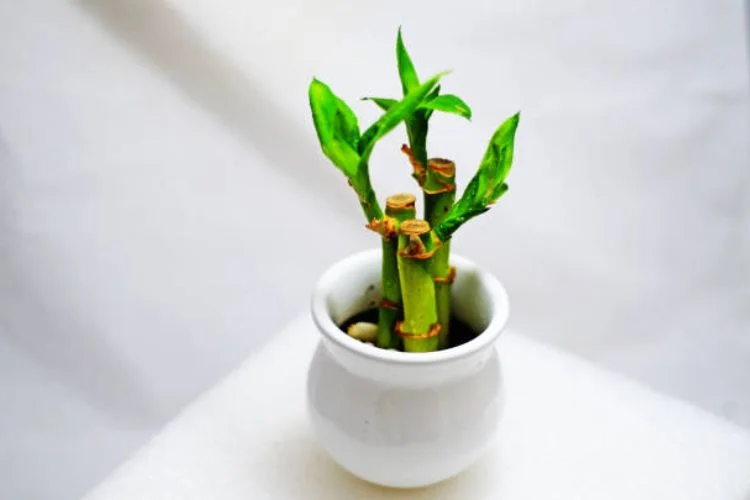
Short answer: For true bamboo growing outdoors, start with a soil test and use the nutrients the soil actually needs. An appropriate complete fertilizer or nitrogen-containing lawn fertilizer may suit an established grove, but neither a premium label nor the word “bamboo” guarantees the best result. For a potted plant, a controlled-release or carefully measured liquid product can be convenient. Lucky bamboo (Dracaena sanderiana) is not a true bamboo and requires different indoor-plant care.
Affiliate disclosure: Swipe Garden may earn a commission from qualifying purchases through some links on the website. The guidance below does not depend on an affiliate relationship.
Which fertilizer type suits your bamboo?
| Type | Best fit | Why consider it | Limitations |
|---|---|---|---|
| Complete granular fertilizer | Established landscape bamboo where soil testing calls for multiple nutrients | Covers nitrogen, phosphorus, and potassium in a single application | Unnecessary phosphorus or potassium can be wasteful if the soil already contains enough |
| Nitrogen-focused fertilizer | Actively growing outdoor bamboo where tests or local guidance indicate nitrogen need | Can support leafy shoot growth when other conditions are adequate | Too much nitrogen encourages unwanted growth and can move off-site in runoff |
| Controlled-release fertilizer | Established bamboo in containers | Convenient, gradual nutrient supply when used according to container size and label | Release depends on temperature and moisture; still possible to overapply |
| Liquid houseplant fertilizer | Small container-grown bamboo or a true bamboo indoors | Easy to measure for a small amount of potting mix | Frequent dosing can build up salts; avoid copying outdoor-grove rates |
A useful selection rule: Buy by nutrient analysis, application directions and growing situation—not brand popularity. The three numbers on a fertilizer label describe the percentages of nitrogen (N), phosphate (P2O5) and potash (K2O). A soil test is more informative than assuming the plant needs all three.
Outdoor grove versus a container
In an established outdoor planting, organic mulch can conserve moisture and add organic matter as it breaks down. Before buying fertilizer, check whether the bamboo has adequate water, space and light. The University of Georgia's Growing Bamboo in Georgia guidance recommends soil testing and cautions against feeding newly planted divisions before they are established. Adapt that regional advice to your local growing season and soil.
Container bamboo has less potting volume, so nutrients can be depleted or concentrated more quickly. Check drainage holes and root crowding, water thoroughly when required, and avoid applying dry granules at arbitrary rates. Select a product explicitly labelled for container plants if using a controlled-release feed. Follow the package's container-volume instructions.
How and when to apply fertilizer
- Identify the plant. Confirm that it is an actual bamboo and note whether it grows in the ground, a pot, or water. Water-grown “lucky bamboo” is a Dracaena, not a bamboo grove.
- Assess establishment and health. A newly transplanted division, drought-stressed plant, or plant with root damage may need recovery before nutrients.
- Get a soil test where practical. Soil-test results can reveal pH and which major nutrients are appropriate. Do not add lime based only on yellow leaves.
- Select a labelled product and measure it. Use the label's rates and frequency for the relevant setting; use local extension advice for timing.
- Apply carefully. Keep granules away from foliage and stems where the label requires, avoid application ahead of major rain, and water as directed.
- Watch the response. New foliage is a better long-term clue than expecting damaged old leaves to recover. Reduce feeding if leaf edges burn or white salts appear on the potting mix.
What yellow or pale bamboo leaves really mean
Yellowing is not proof of a nitrogen deficiency. Leaves may age naturally; plants may also be stressed by drought, waterlogging, temperature changes, pests or poorly drained roots. A test and inspection are safer than repeatedly adding fertilizer. If you are growing a running species, remember that more vigorous growth may also increase the need to manage spreading rhizomes. The University of California IPM bamboo guidance discusses management of spreading bamboo.
Common questions
Can I use lawn fertilizer on bamboo?
Sometimes, for established true bamboo in soil, but only when the nutrient analysis fits its needs. Check for herbicides or weed-control ingredients: a weed-and-feed lawn product is not a suitable general-purpose bamboo fertilizer.
Should I fertilize bamboo all winter?
Usually not when outdoor growth is slow or dormant. Climate and bamboo species vary. Container plants under active indoor growth may need a different approach, but do not apply a fixed winter schedule indiscriminately.
Do I need a special bamboo-labelled product?
No. A product with an appropriate nutrient balance, safe label instructions and a good fit for your soil and planting situation is more important than packaging claims.
Related Swipe Garden guides
For related questions, read when to fertilize clumping bamboo, whether potted bamboo needs feeding, and feeding water-grown lucky bamboo—a different plant.