
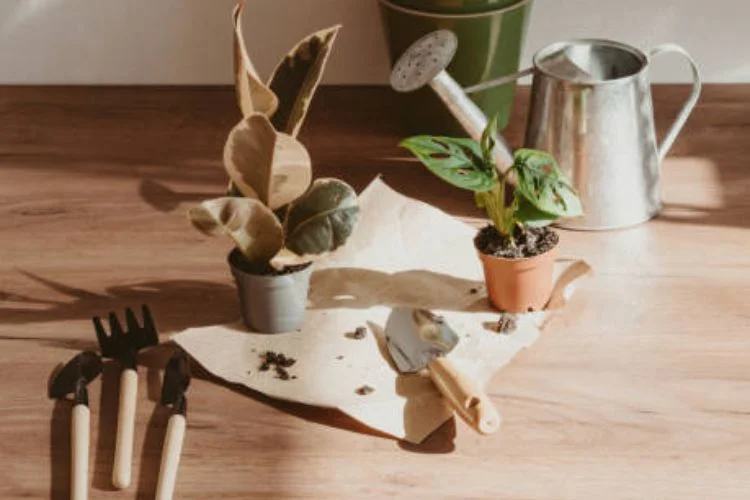
Quick answer: For most beginning gardeners, a sturdy hand trowel, a hand fork or cultivator, and well-fitting bypass pruners are more useful than a large bundle of rarely used accessories. Add a rake or digging spade if you work outdoors. The right set depends on the garden, the work you do, and how comfortable each tool is in your hand.
Affiliate disclosure: Swipe Garden may earn commissions on qualifying purchases through some links on the site. These selection guidelines are not paid endorsements.
What should a gardening tool kit contain?
| Garden type | Most useful essentials | Optional upgrades | Skip if unnecessary |
|---|---|---|---|
| Indoor plants and balcony containers | Hand trowel, small fork, compact pruners, watering can | Potting mat, plant ties, brush | Full-size digging spades and large rakes |
| Raised-bed vegetables | Trowel, garden fork, pruners, spade or hoe | Bow rake, harvest knife, wheelbarrow | Decorative gadgets that duplicate basic tools |
| Flower beds and shrubs | Trowel, bypass pruners, hand fork and gloves | Loppers and a pruning saw for larger stems | Undersized shears that cannot cut the intended branches |
| Community or shared garden | Durable shovels, rakes, several trowels and pruners | Maintenance kit and secure storage | One grip size for everyone |
Which buying approach is best?
| Approach | Strength | Downside | Best for |
|---|---|---|---|
| Compact starter kit | Convenient, inexpensive way to cover everyday jobs | Quality can vary by individual tool | Someone working in small pots or a balcony |
| Build your own set | Select good grips, blade quality and durable construction | More shopping; may cost more initially | Anyone expecting frequent gardening work |
| Full-size outdoor collection | Includes digging and raking tools for larger projects | More storage, weight and unused items | Garden beds, landscaping and shared plots |
Five features to check before buying
1. Comfortable grip and manageable weight
Choose handles that fit the user's hand, with a secure, comfortable grip. Very thick handles, excessive weight and awkward tool length can make repetitive work harder. The University of Georgia's hand-tool guide specifically recommends checking handle dimensions, practical weight and secure construction.
2. Strong head-to-handle joint
A firm one-piece construction or a sturdy socket with bolts or rivets is preferable to a loose, thin joint that flexes under pressure. Do not pry stones with a trowel or use small tools for tasks suited to a digging bar or shovel.
3. The right cutting mechanism
Bypass pruners are generally useful for clean cuts on living stems. Choose a model with a stated cutting capacity appropriate for the branches you will prune; do not force a small hand pruner through thick limbs. Blades should align cleanly, and the locking catch should work easily. For larger cuts, select loppers or a pruning saw matched to the job.
4. Maintenance and replacement parts
Tools that are straightforward to clean, sharpen and dry can remain useful for many seasons. For pruners, look for an adjustable or serviceable pivot and replacement parts where offered. Wipe soil off after use; follow manufacturer directions for blade care and lubrication.
5. Useful tools, not a high piece count
Compare the working implements, not the number on the box. Some large bundles count gloves, labels, tote bags and small accessories as separate pieces. A durable three-piece kit can be a better investment than a set of ten lightweight tools.
Shopping checklist
- Write down your three most frequent gardening tasks before comparing kits.
- Check product length, weight, material and handle size in specifications, not photos alone.
- Verify the pruner's cutting capacity and the strength of each joint.
- Decide whether the included rake or fork has the shape needed for your planting mix or soil.
- Check warranty, spare-part availability and returns, especially for boxed sets.
Common buying mistakes
All-in-one tools: A tiny folding shovel usually cannot replace a real spade. Wrong pruners: Crushing or tearing live stems with dull or misaligned cutters harms the cut. Ignoring fit: A highly rated handle may still be uncomfortable for your hands. Skipping basic safety: Use appropriate footwear and gloves, clean pruning blades when necessary, and store sharp tools away from children.
Frequently asked questions
Are stainless-steel tools always better than carbon steel?
Not necessarily. Construction quality, thickness, corrosion care and the specific task matter. Stainless materials can resist rust but are not automatically stronger or easier to sharpen than every carbon-steel alternative.
Is a gardening tool set a good gift?
A small, high-quality kit can be useful, but grip size and garden type are personal. A few proven basics or a gift card may be safer than a large kit the recipient cannot comfortably use.
How many tools does a beginner need?
For pots, start with two or three hand tools plus a watering method. Add bigger implements only when a project demands them.
Related Swipe Garden guides
Read what to wear when gardening and our mower-blade compatibility guide if your tool list also includes lawn equipment.