
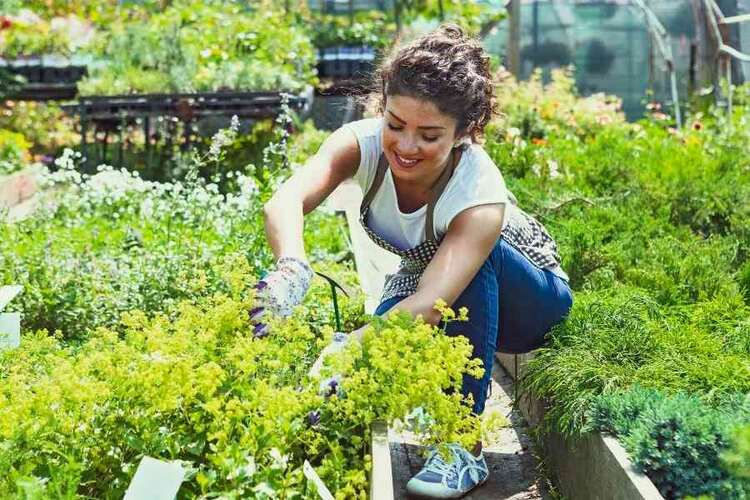
Quick answer: Wear sturdy, comfortable shoes, gloves suited to the job, clothing that shields your skin and a wide-brimmed hat when gardening outdoors. Add safety glasses, hearing protection or other personal protective equipment when the specific task or tool requires it. Read product and pesticide labels: ordinary gardening clothing is not a substitute for chemical protective equipment.
The everyday gardening outfit
| Item | Choose based on | Why it matters |
|---|---|---|
| Gloves | Good fit, grip and protection for the task | Reduce abrasion, blisters, thorn contact and minor cuts |
| Closed-toe shoes or boots | Traction, support, water exposure | Protect feet on uneven ground |
| Long pants | Durable breathable fabric, freedom to bend | Protect skin from scratches, sun and vegetation |
| Long-sleeved shirt | Breathable, tightly woven or UPF-rated fabric | Reduces direct sunlight and incidental plant contact |
| Wide-brimmed hat | Coverage of face, ears and neck | Useful sun protection during prolonged outdoor work |
| UV-blocking sunglasses | UVA/UVB protection and secure fit | Reduce UV exposure to the eyes |
Gloves: match them to the work
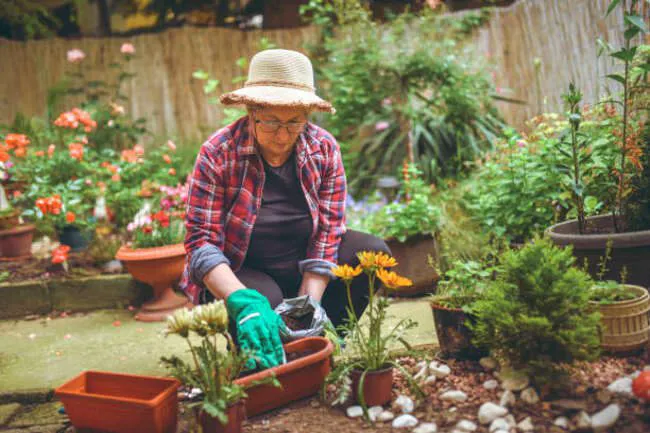
Light flexible gloves suit seed sowing and ordinary potting; reinforced gloves may be better when handling rough branches or thorny stems. Waterproof chemical-resistant gloves are a separate category and must be selected according to the chemical label. Inspect gloves for damage, especially when working with sharp tools or contaminated material. Avoid loose cuffs or fabric that can catch in powered equipment.
Footwear, trousers and kneeling support
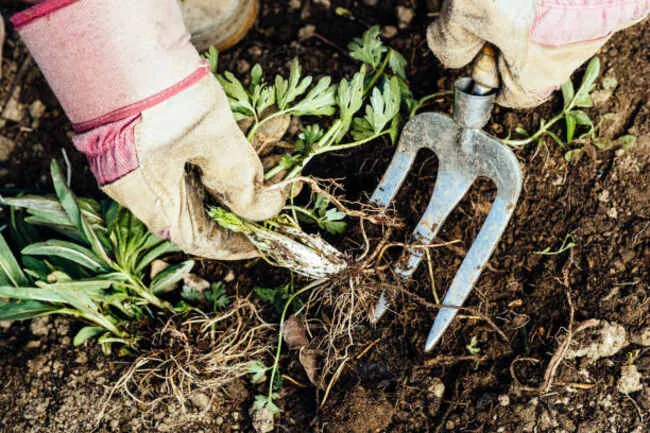
Choose closed-toe shoes with nonslip soles for normal beds and paths. Use sturdier boots with adequate protection if you work on rough terrain, use heavy equipment or encounter sharp debris; not every rubber rain boot offers impact protection. Long trousers help protect from brush and insects. A kneeling pad or knee pads can make low work more comfortable, but position and rest breaks still matter.
Sun protection for gardeners
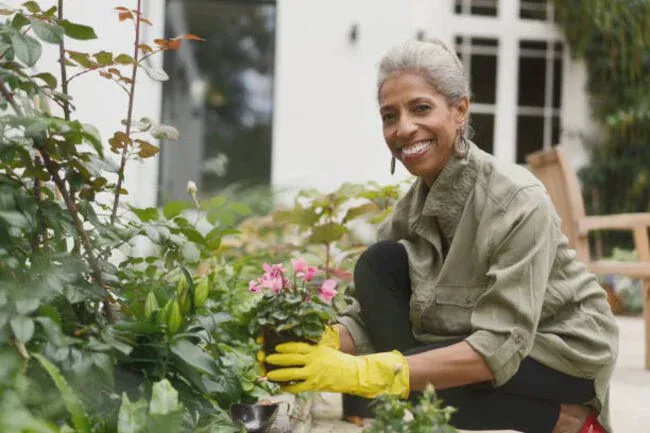
Shade, clothing covering arms and legs, a wide-brimmed hat and UV-blocking sunglasses are important parts of sun protection. Use broad-spectrum sunscreen on exposed skin and reapply according to product instructions. The CDC recommends combining shade and protective clothing with sunscreen rather than treating a short-sleeved shirt or ordinary cap as full coverage.
Task-specific safety equipment
- Mowing or powered trimming: Consult the manual for safety eyewear, hearing protection, shoes and required clothing. Inspect the area for thrown-object hazards.
- Pruning thorny branches: Use appropriate gloves, long sleeves and eye protection; do not cut branches that exceed the tool's rated capacity.
- Using fertilizers or pesticides: Follow the product label for required gloves, clothing, eye protection and any respiratory equipment. Never improvise PPE for an unfamiliar chemical.
- Lifting soil or stone: Consider sturdy footwear, stable footing and mechanical help for heavy loads.
The Occupational Safety and Health Administration identifies cuts, hearing loss, projectiles, power equipment and slips among landscaping hazards, and provides additional task-specific resources.
Dress for the weather and wildlife
In hot conditions, pick breathable fabrics, plan breaks and drink water. If ticks or stinging insects are present, use suitable clothing and approved insect repellents according to their labels; check skin after working in dense vegetation. Wear clothing that does not become tangled in machinery. Wash gardening clothes after handling potentially irritating plants or chemicals.
What beginners can buy first
- Comfortable closed-toe shoes with traction
- One pair of appropriately fitted general-purpose gardening gloves
- Long pants and breathable long sleeves
- A broad-brimmed hat and UV-protective sunglasses
- Safety glasses and hearing protection if your gardening tasks require them
Frequently asked questions
Do gardeners always need steel-toe boots?
No. Footwear should match actual equipment and risks. Heavy-duty or professional tasks may have separate protective-footwear requirements.
Are thick gloves always safer?
No. Gloves should protect against the relevant hazard while preserving safe control of the tool. Follow machinery guidance, since loose or unsuitable gloves can catch moving parts.
Is sunscreen only necessary in summer?
UV exposure can matter outside summer too. Use protective clothing, shade and sunscreen when conditions warrant it.