
The best garden tree is one that fits your site when it is fully grown. Magnolias, Japanese maples, dogwoods and birches can all be beautiful, but no single one suits every climate or yard. Start with adult canopy width, temperature tolerance, soil drainage, sunlight, local pest pressure and space around buildings and utilities before choosing a nursery tree.
Four garden-tree groups worth considering
| Tree | Best fit | Watch out for |
|---|---|---|
| Magnolia | Flowers or broad-leaved evergreen structure, depending on species | Very different mature sizes and cold tolerance across magnolias |
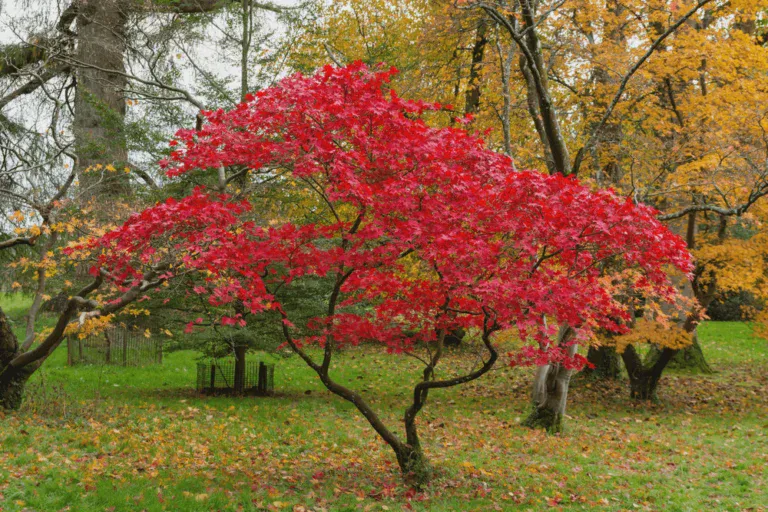
| Japanese maple | Focal point for foliage color and graceful branching in an appropriate climate | Hot wind, reflected heat, excess sun and inadequate soil moisture |
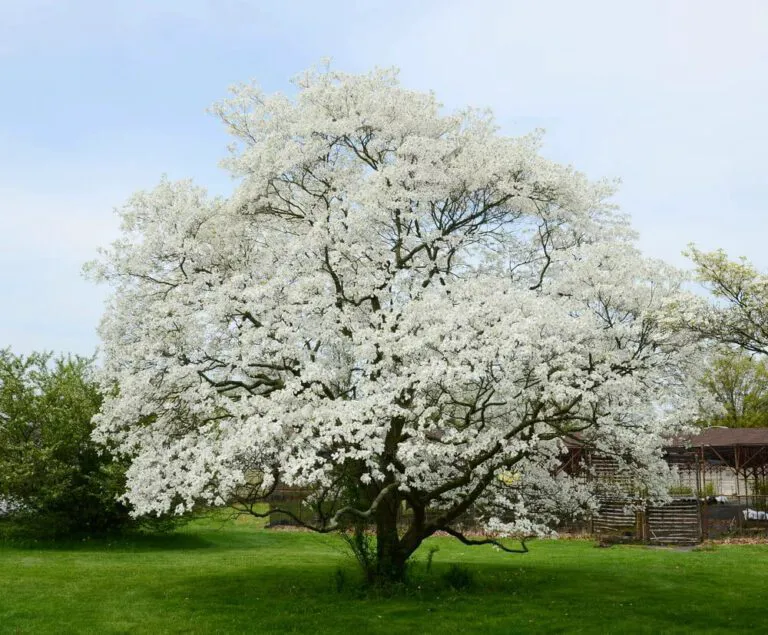
| Flowering dogwood | Understory flowering interest in compatible climates | Drought, heat, poor drainage and dogwood diseases |
| Birch | Distinctive bark and airy shade where water and temperature fit | Species-specific moisture needs and possible pest vulnerability |
Within each group, botanical species and cultivar are critical. A compact magnolia, large southern magnolia and small deciduous magnolia do not have the same footprint. Similarly, not all birches tolerate the same heat or wetness.
Magnolia: flowers, screening or a specimen
Magnolias range from large evergreen landscape trees to smaller deciduous forms. Before buying, compare the nursery tag's mature height, spread, exposure and local hardiness recommendation. Choose a site with enough room for roots and crown. If you need privacy, confirm the selected species is evergreen in your climate rather than assuming every magnolia keeps its leaves.
Japanese maple: choose exposure carefully
Japanese maples offer striking foliage and branching shapes, including compact cultivars suited to smaller gardens. In hot regions, afternoon shade and shelter from drying winds may help avoid leaf scorch. Check the cultivar's true mature size and root-zone moisture needs, especially near paving that reflects heat. A small container specimen can become much wider over time.
Dogwood: a flowering understory option
Flowering dogwood (Cornus florida) is an understory tree. University of Maryland Extension advises partial shade and moist, well-drained soil, and warns that very hot dry exposure or poorly drained locations can stress it. It also recommends choosing a location appropriate to mature height and spread and monitoring new plantings while roots establish. If dogwood disease pressure is high locally, consider a recommended resistant cultivar or alternative native species.
Birch: match species to moisture and climate
Birches vary in their tolerance of heat, soil moisture and pests. River birch can be useful for wetter sites in suitable regions, while other birches favor cooler soils and may struggle in hot dry landscapes. Their roots and broad crowns need room. Check local extension species profiles rather than selecting by white bark alone; some white-barked species are particularly vulnerable to stress in warm climates.
A practical tree-selection checklist
- Measure the planting space in both dimensions, including expected mature crown width.
- Check hardiness, heat tolerance, sun and soil moisture by species and cultivar.
- Locate utilities and keep required clearances from lines, foundations, structures and visibility zones.
- Choose a nursery specimen with healthy roots and a visible root flare.
- Plant at the correct depth, mulch without burying the trunk and maintain suitable moisture while establishing.
- Prefer noninvasive, regionally adapted species and consider ecological value to native wildlife.
University of Maryland Extension stresses that choosing for mature size is a better long-term strategy than solving conflicts later through repeated hard pruning.
What about small gardens?
Look for mature dimensions and slow-growing or dwarf cultivars rather than assuming a young tree will remain small. The best alternative may be a multi-stem shrub if overhead wires or underground services make a tree unsafe. Where the goal is edible fruit instead of shade, see mango tree care for a very different plant and climate requirement.