
Quick answer: Some mowers can use an approved mulching blade without a separate mulching kit, but a blade alone does not turn every mower into an effective mulching system. The mower deck, discharge opening, plug and internal baffles determine whether clippings are kept under the deck long enough for additional cuts. Check the specific mower manual and blade part number first. Never remove the discharge guard just to make an attachment fit.
What a mulching kit actually changes
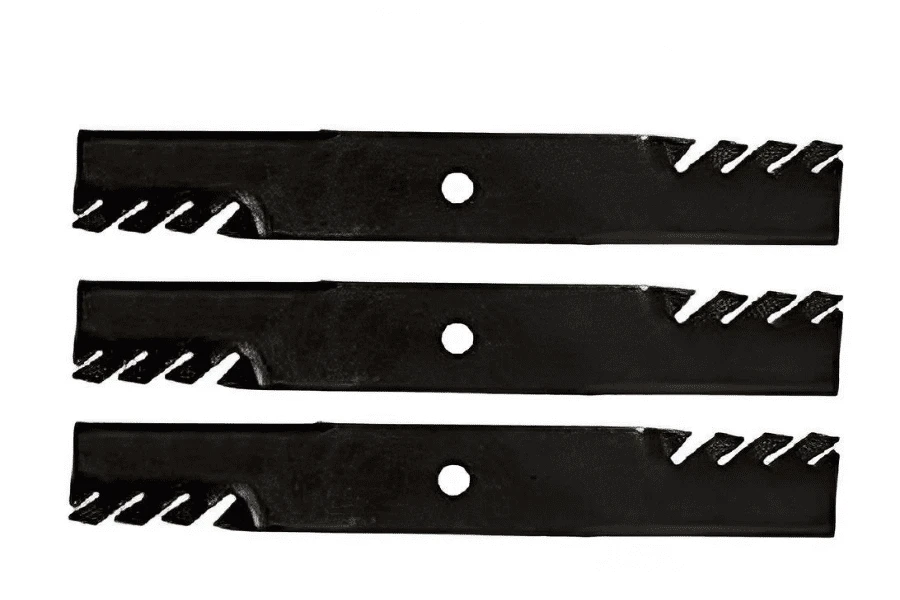
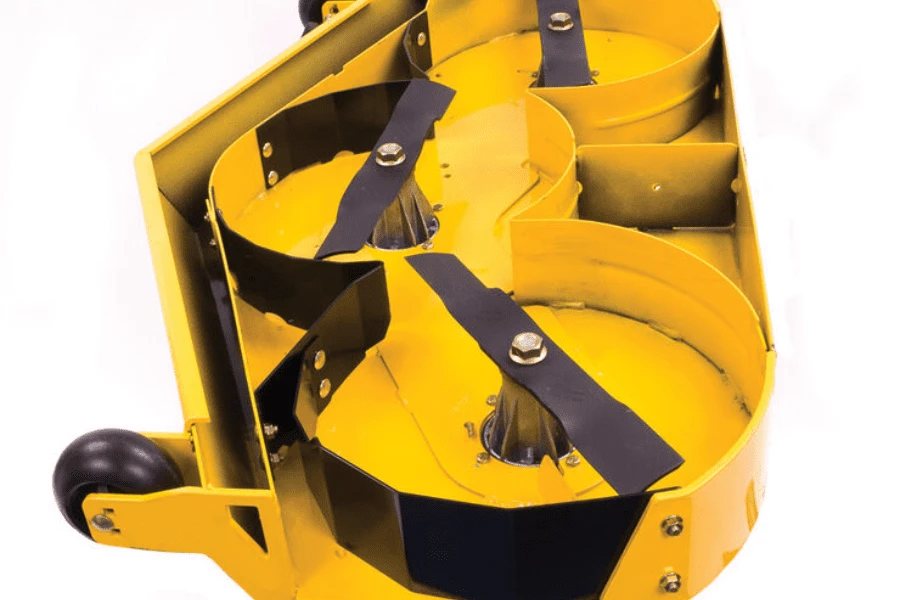
A mulching kit may include a purpose-designed blade, a discharge plug or cover, and deck baffles. The blade cuts grass and moves the clippings; the deck components help circulate them before they fall back into the turf. Not every mower uses all three components, and some come equipped with a built-in mulching mode. A blade advertised as “mulching” is not proof that it works safely with your deck.
When can you use the blade by itself?
- Factory mulch-capable mower: Use the blade and discharge configuration specified by the manufacturer. A separate kit may not be needed.
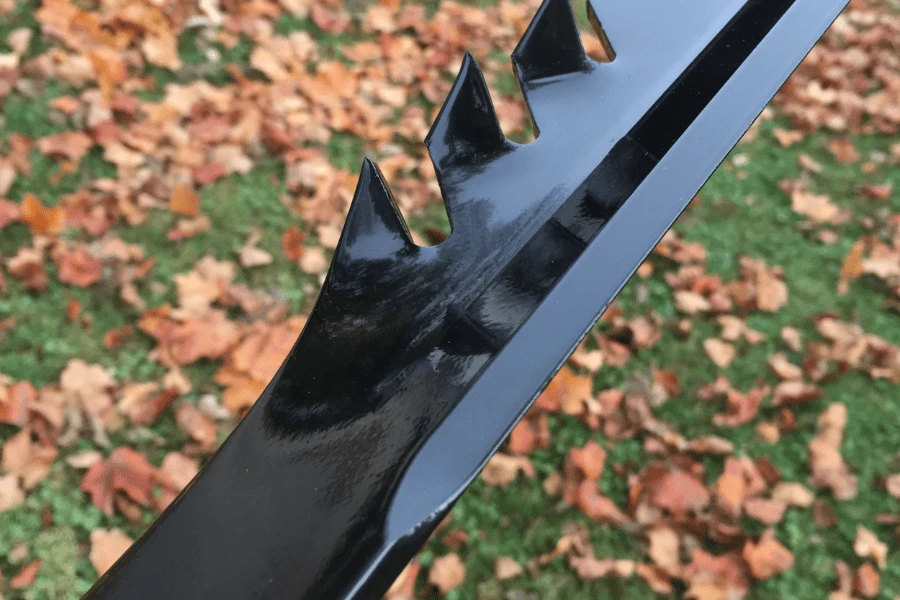
- Side-discharge mower: An approved combination blade may still mow normally with the discharge guard fitted, but much of the material can leave the chute rather than being recut.
- Deck requiring a conversion kit: Use the complete model-specific kit if the manual says the plug, baffles or other hardware are required.
- Unlisted aftermarket blade: Do not assume the blade is safe merely because its center hole appears to fit. Check dimensions, clearances, mounting hardware and manufacturer compatibility.
How to get a better result when mulching
- Use the mower configuration approved for your deck and leave all guards and shields in place.
- Cut when the grass is reasonably dry and not heavily overgrown. Wet, heavy clippings are more likely to clump.
- Mow often enough to remove no more than about one-third of the leaf blade at a time.
- Keep blades sharp and the deck maintained according to the operator's manual.
- If thick clumps remain, mow more frequently or use the manufacturer's permitted discharge or bagging mode until growth is manageable.
Returning lawn clippings can recycle plant nutrients and does not, by itself, cause thatch buildup. Penn State Extension explains the role of the recirculating mower deck, while Oregon State University Extension recommends frequent mowing to avoid heavy clumps.
Blade only vs complete kit
| Setup | What to expect | Check first |
|---|---|---|
| Approved blade with open side discharge | May mow and discharge normally; less recutting | Manufacturer's approved blade and intact guard |
| Approved blade with the proper mulch plug | More clippings retained under the deck | Plug and blade compatibility |
| Complete manufacturer-specified conversion | Designed to deliver the intended mulching airflow | Correct kit model and installation instructions |
Safety checks before changing a blade
Stop the engine or motor, remove the key and isolate power in the manner required by your equipment manual before servicing. Secure the machine; never work beneath an inadequately supported deck. Use gloves or wrap the blade. Follow the exact mounting sequence and tightening torque specified for your model; there is no universal blade-bolt torque. If clearance, fit or hardware is uncertain, ask an authorized service professional.
Frequently asked questions
Will a mulching blade work with the discharge chute open?
On a mower whose manufacturer approves that configuration, it may cut and discharge grass, but the result is not equivalent to a closed mulching deck.
Can I make my own mulch plug?
Do not improvise a plug or bypass a safety shield. Use an approved part designed for the mower.
Is mulching always better than side discharge?
No. Mulching works well on regularly cut grass; side discharge or bagging can be useful when growth is too heavy for an even mulch finish. Compare the options in mulching vs side discharge.