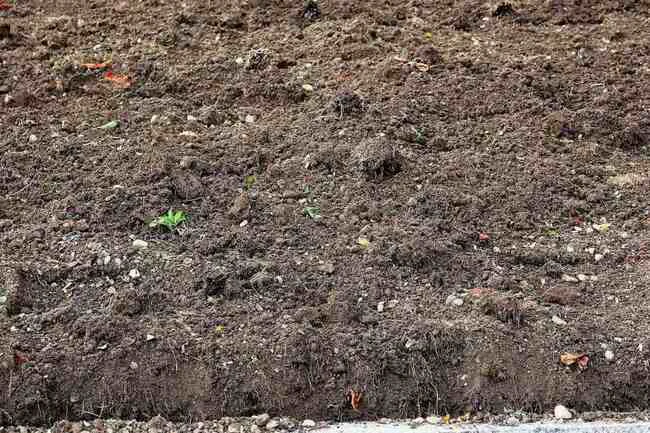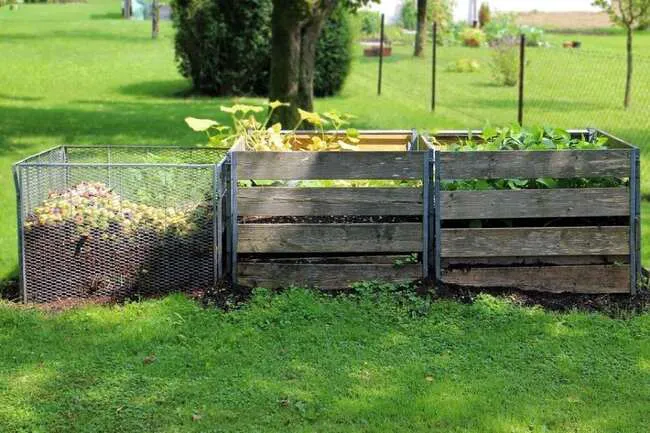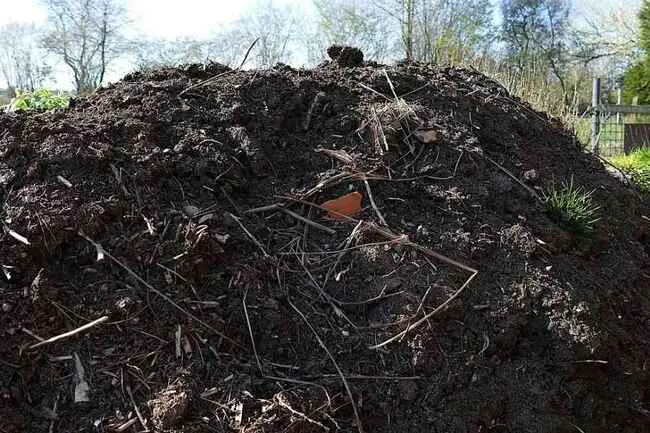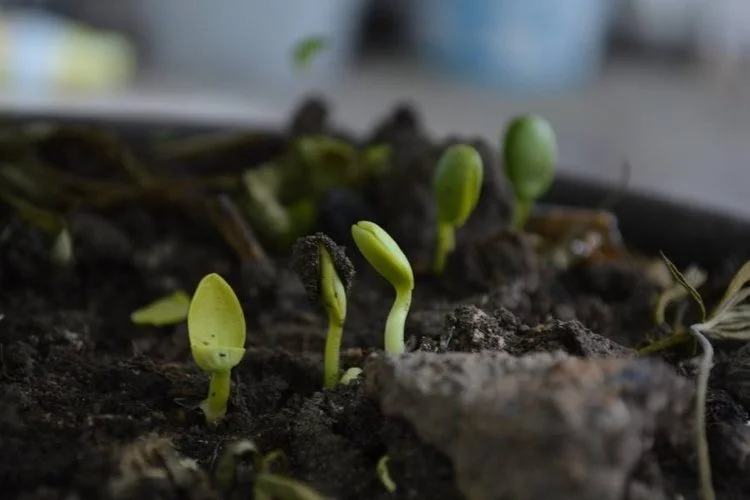
Compost is organic material broken down through an intentional composting process; humus is highly decomposed organic matter within soil. Finished compost contains organic matter at different stages of breakdown, including stable material. When you add compost to a garden, soil organisms continue to transform it; not every dark, crumbly substance is pure humus.
Humus and compost compared
| Feature | Compost | Humus |
|---|---|---|
| What it is | Processed decomposed organic residues such as leaves and food scraps | Highly decomposed organic matter in soil |
| Where you find it | Bins, piles, bags or incorporated in garden beds | Mixed through the soil's organic matter |
| Can you make or buy it directly? | You can make compost and buy finished compost | Usually discussed as a soil component, not a distinct, standardized bagged ingredient |
| Main practical benefit | Adds organic matter and variable quantities of nutrients | Contributes to long-term soil organic matter functions |
How compost becomes part of soil organic matter
Leaves, trimmings and other plant residues are broken down by microorganisms and larger soil organisms. Some carbon is released during decomposition; some becomes part of more persistent organic matter and mineral-associated material. University of Minnesota explains soil organic matter as living organisms, dead residues and highly decomposed material (humus). This is a continuum, not a single overnight conversion.
Why gardeners add compost
- Organic matter helps improve aggregation, workability and water movement in many garden soils.
- Soil organisms use compost as a food source and release nutrients as materials continue to break down.
- Mulched or amended soil can better resist surface crusting and erosion.
- Compost's nutrient concentrations vary: a high application rate can still add excessive phosphorus or salts.
Is humus the same as humic acid?
No. Product labels sometimes market 'humic acid' or 'humates' as concentrated soil enhancers. Those are defined or extracted materials sold for specific uses, not interchangeable with the broad soil-science idea of humus. Do not assume a bottle labeled humic acid replaces mature compost or fixes deficient drainage, structure or nutrients.
Should you add compost to every bed?
Not necessarily in large amounts every year. For existing vegetable beds, Oregon State University Extension describes comparatively modest surface layers, while local soil tests help prevent excessive phosphorus. If a soil is already high in organic matter or phosphorus, a thinner layer, mulch or cover crop may be more appropriate than another substantial amendment.
How to recognize useful finished compost
Look for reasonably stable, dark, earthy-smelling material without abundant recognizable food scraps. Finished compost still varies by original feedstock and processing; it is not automatically sterile, chemically balanced, seedling-safe or free of contaminants. Ask bulk suppliers about source materials and testing where the intended use is sensitive.
Takeaway: buy or make mature compost as a practical soil amendment, and think of humus as part of the highly decomposed organic matter that develops within living soil over time.