
Independent gardening guides. Some links earn us a commission at no cost to you. Read our affiliate disclosure
Newsletter
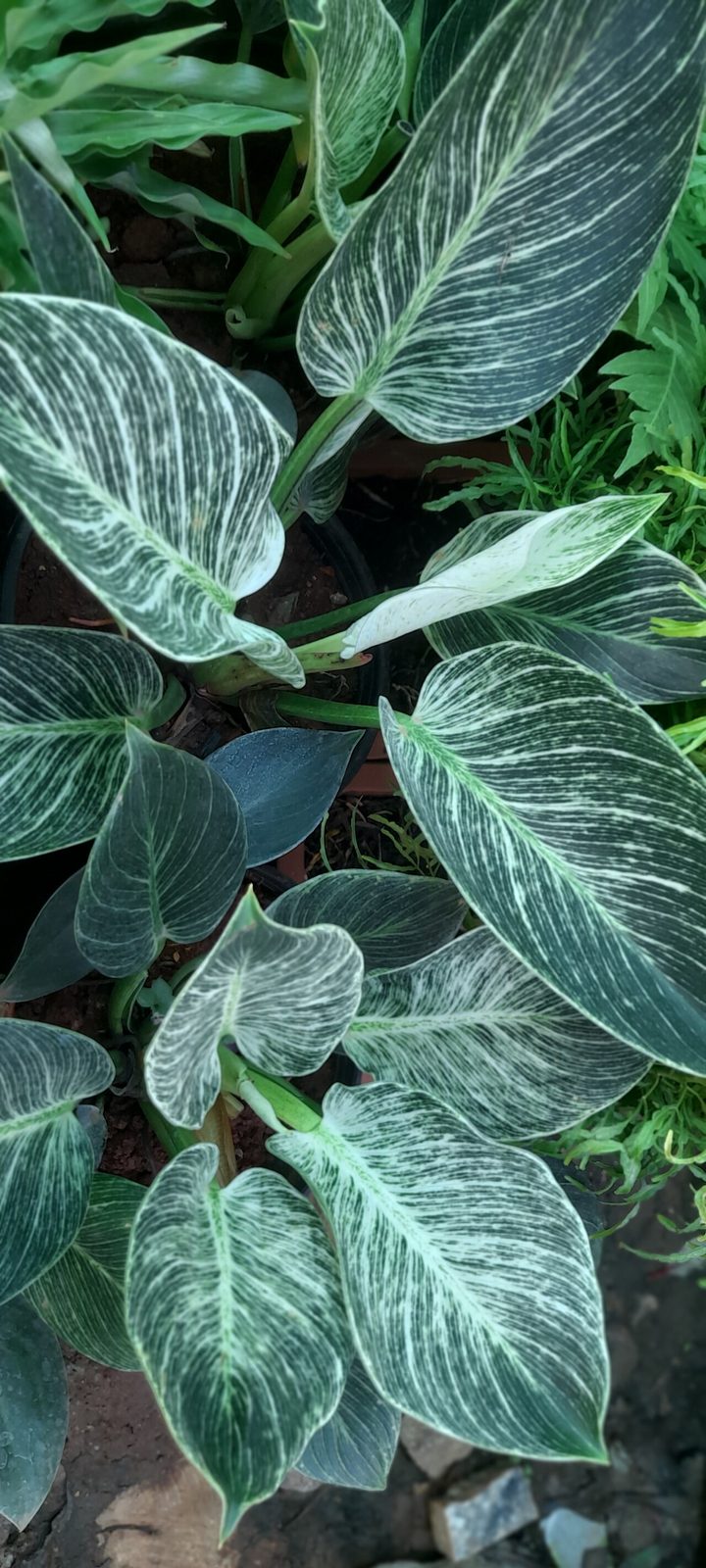
Philodendron Birkin (Philodendron 'Birkin')

Photo: Yercaud-elango, CC BY-SA 4.0 via Wikimedia Commons

Philodendron Birkin

Philodendron 'Birkin' · Araceae

Also known as: Philodendron Birkin, Birkin philodendron, Birkin, Birkin White Wave, White Wave philodendron

Philodendron Birkin is a compact, upright philodendron with dark green leaves finely striped in cream. Likes bright, filtered light. Toxic to pets.

Light
Bright indirect light
Care level
Moderate
Where it grows
Indoors
Cats and dogs
Toxic to pets Source (opens in a new tab)

NC State's plant page for Philodendron 'Birkin' lists it as a problem for cats and dogs, with low poison severity from calcium oxalate crystals. If any part is eaten by people or pets, it may cause pain and swelling of the mouth, lips, tongue and throat, excessive drooling, vomiting and difficulty swallowing, and the sap can irritate skin. NC State's genus-level Philodendron page gives the same warning. If a pet chews this plant, contact your vet or an animal poison control service.

View My Garden

Check a problem with this plant

How to identify it

'Birkin' is a cultivar rather than a wild species; NC State says it was introduced in 2010. It has thick, glossy, heart-shaped, dark green leaves with pinstripes of creamy white, yellow or light green. The pattern is different on each leaf, and the stripes become more pronounced as leaves mature. Stems are thick and upright, and the plant forms a compact, self-heading clump rather than a vine.

Its origin is unclear. NC State reports it is believed to be either a rare mutation of Philodendron 'Rojo Congo' or a hybrid of 'Congo' and 'Imperial Green'. It is also sold as 'Birkin White Wave' or 'White Wave'.

Light

NC State says 'Birkin' prefers bright, filtered sunlight and warns that too much sun will scorch its leaves. Light also shapes the leaf pattern: insufficient light can cause loss of variegation, leggy growth and small leaves (NC State).

Place it near a bright window but out of direct sun; Clemson Extension notes that most philodendrons prefer indirect or curtain-filtered sunlight. If a room is dim, see grow lights for indoor plants.

Potting mix and drainage

NC State says 'Birkin' thrives in moist, well-drained, slightly acidic soil. Use a free-draining potting mix in a pot with drainage holes.

The RHS advises repotting philodendrons in spring once the roots are densely packed, into a pot only a few centimetres wider than the root ball, because an oversized pot stays wet for longer and can lead to root rot. NC State notes that overwatering can cause root rot and yellowing leaves in this cultivar.

When to water

Check the mix before you water instead of following a calendar. The RHS advises waiting until the top of the compost has dried out, and Iowa State Extension suggests watering when the mix feels dry about an inch down. If it still feels wet, wait and check again in a day or two.

Then water thoroughly at the base until the excess drains, and empty the saucer. NC State notes leaf spots can occur if the leaves get wet during watering, and that overwatering can cause root rot. Clemson Extension's aim for philodendrons is soil that is evenly moist but never soggy, and never standing in water.

Humidity and temperature

NC State recommends room temperatures of 65 to 85°F for 'Birkin' and humidity between 50 and 60%, and suggests a bathroom may suit it. It is not frost tolerant, and cold drafts should be avoided. Brown leaf tips, NC State notes, indicate a lack of humidity.

In very dry air, NC State's genus page suggests a humidifier or a tray of pebbles filled with water. The RHS advises keeping philodendrons above 59°F (15°C) and away from hot radiators.

Feeding

Feed only while the plant is actively growing. The RHS suggests a general houseplant fertiliser during the growing season, roughly spring to early autumn, and Iowa State Extension notes that most houseplants rest in the short days of winter and need less fertilizer then. Follow the product label rate.

'Birkin' is a slow grower (NC State), so it does not need pushing. Clemson Extension notes that too much fertilizer can make philodendron leaf tips curl and brown, and freshly repotted plants usually need little or no fertilizer for the first few months (Iowa State).

Propagation

NC State's genus page says philodendrons are propagated by stem cuttings or layering, and Clemson Extension notes that some philodendrons also produce offsets. Whichever method you use, the piece you root needs a section of stem with a node: the RHS explains that cuttings are trimmed just below a node because that is where new roots sprout.

For a step-by-step method, see how to propagate Philodendron Birkin. Wear gloves when cutting, because the sap can irritate skin (RHS).

Growth and size

'Birkin' is compact, upright and self-heading: leaves rise from thick, upright stems in a clump instead of trailing. NC State gives a size of 6 inches to 3 feet tall and about as wide, and lists its growth rate as slow, which makes it suitable for a desk, tabletop or shelf.

The RHS notes that bushy philodendrons generally don't need pruning, training or support. It can flower, with a spadix and a greenish-white spathe, but rarely does indoors (NC State).

Warning signs

  • Yellowing leaves: NC State links overwatering to root rot and yellow leaves. Check whether the mix is still wet; if so, let the top dry before watering again and make sure the pot drains.
  • Fading stripes, leggy growth or small leaves: insufficient light (NC State). Move it to brighter, filtered light without direct sun.
  • Brown leaf tips: NC State says this indicates low humidity; Clemson adds that too much fertilizer can make tips curl and brown. Check your feeding against the label and raise humidity. See why philodendron leaves curl.
  • Leaf spots: these can follow wet leaves during watering (NC State). Water at the base.
  • Specks, webbing or sticky residue: check for spider mites, mealybugs, aphids and scale insects (NC State).

Related guides

Sources

  1. NC State Extension Gardener Plant Toolbox: Philodendron 'Birkin' (checked October 11, 2026)
  2. NC State Extension Gardener Plant Toolbox: Philodendron (genus) (checked October 11, 2026)
  3. Royal Horticultural Society: How to grow philodendrons (RHS Growing Guide) (checked October 11, 2026)
  4. Clemson Cooperative Extension, Home & Garden Information Center: Philodendron (HGIC 1509, revised 2016) (checked October 11, 2026)
  5. Iowa State University Extension and Outreach: How to Care for Houseplants (checked October 11, 2026)

Last reviewed