
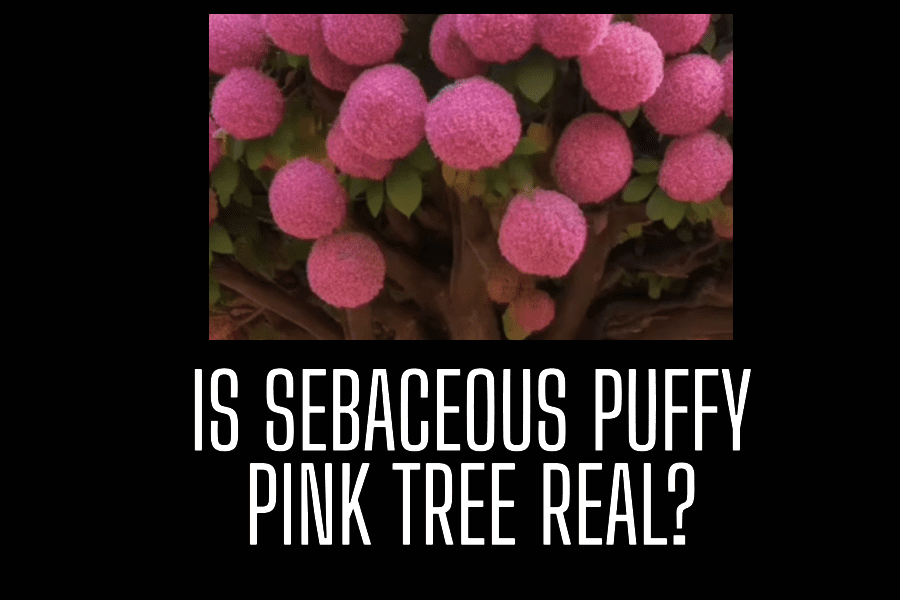
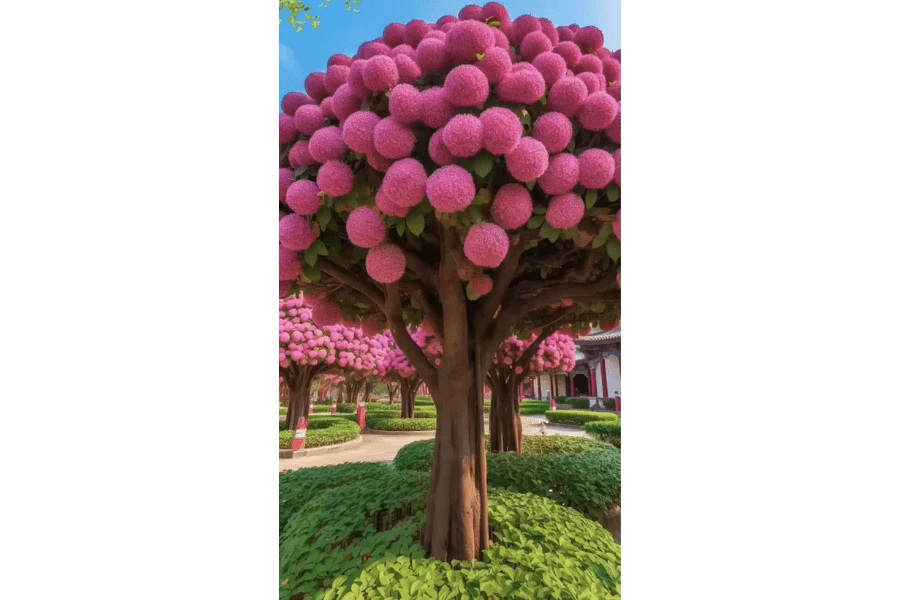
“Sebaceous puffy pink tree” is not an established botanical name that we can verify. The phrase circulates as a descriptive or fantastical label for extremely fluffy pink blossoms. Without a recognized species name, a reliable specimen record or a verified plant identification, it is misleading to present it as a discovered tree species. The absence of a verified record does not prove that no unusual pink-flowering tree exists; it means the specific name has not been substantiated.
How to check whether a viral tree photo shows a real species
- Look for a scientific name (genus and species), not only a colorful nickname.
- Check a botanical database, university extension reference or herbarium collection for the name.
- Compare the flower structure, leaves, bark, location and season with multiple verified photographs.
- Check the image's source. A digitally generated or heavily edited image is not botanical evidence.
- Ask a local horticultural specialist for help if a real plant needs identifying.
A plant with a dramatic appearance is not automatically fake, but an unsupported name should never be used as scientific identification.

Real plants that can have fluffy pink flowers
Pink powderpuff (Calliandra species)
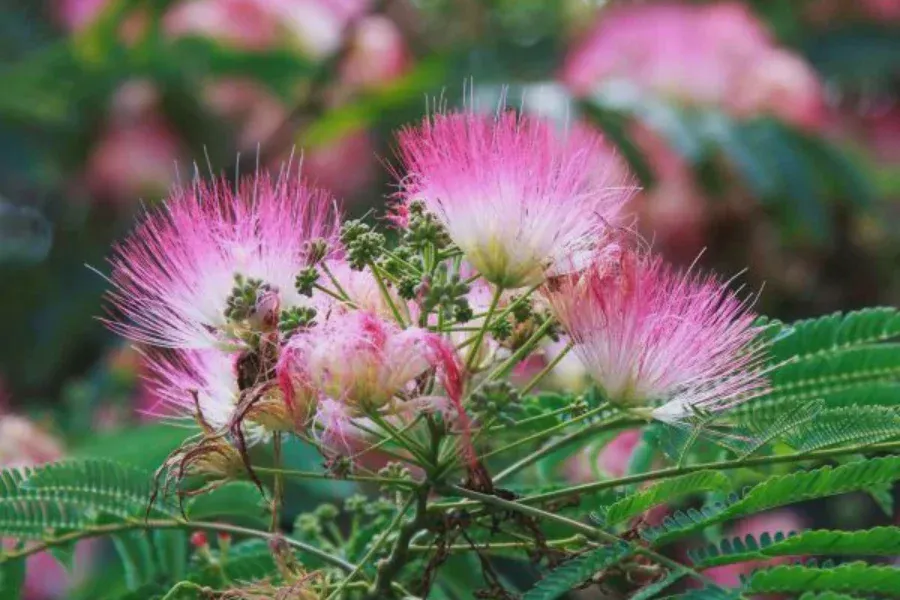
Several Calliandra shrubs and small trees bear rounded clusters of long stamens that resemble pink or red puffs. One example is Calliandra haematocephala, often called powderpuff tree. The University of Florida lists its scientific and common names, and UF/IFAS Extension explains its showy flowers.
Other pink-flowering ornamental trees
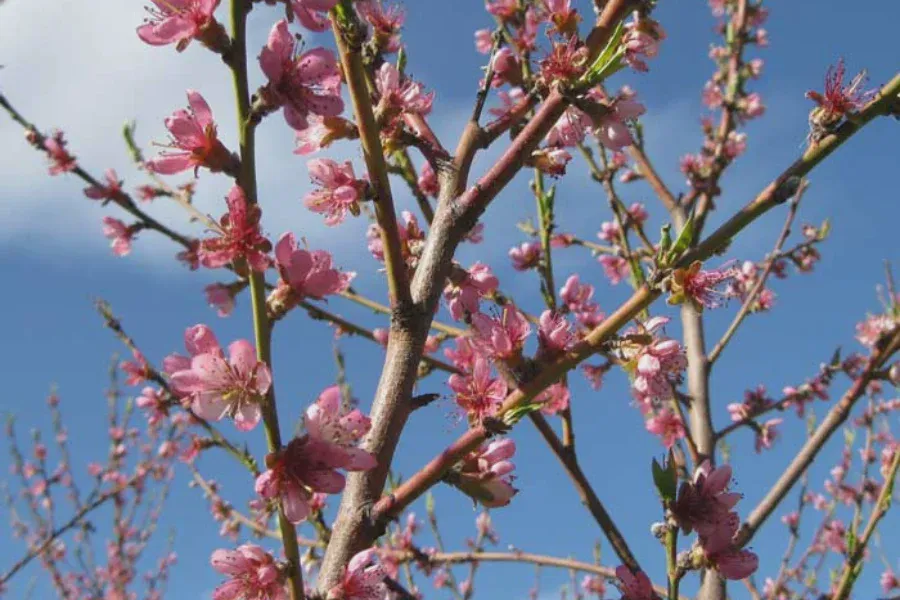
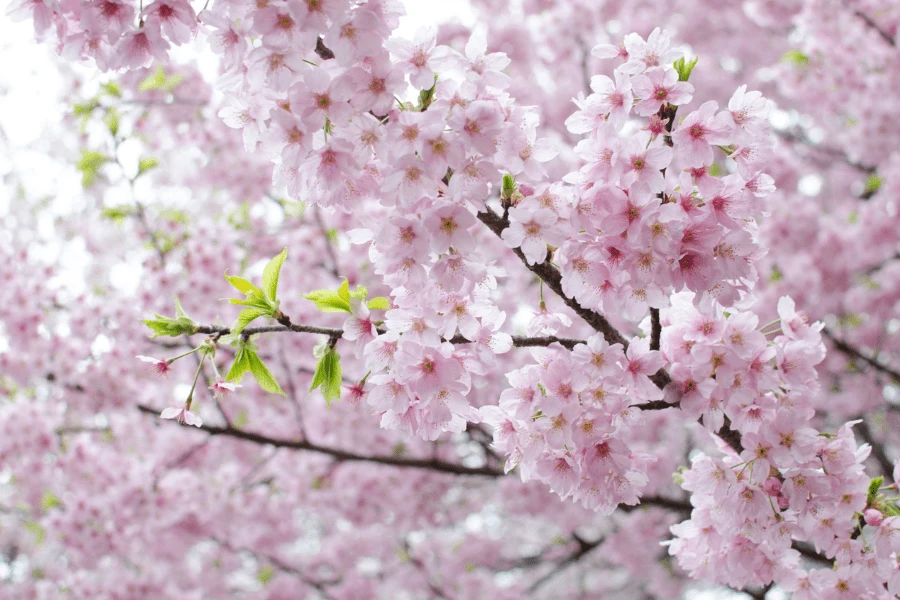
Some ornamental flowering cherries, redbuds, crape myrtles and silk trees also show pink blooms. They have different flower shapes, leaf forms and growing requirements; they should not be treated as interchangeable plants or as proof that the viral name describes a real species.
What information is needed for a positive identification?
Try to obtain photos of the entire plant as well as close-ups of leaves and flowers, a general location, and the time of year. A close-up of a pink bloom alone may fit several unrelated species. A verified species name is essential before recommending climate tolerance, planting instructions or pet-safety advice.
Frequently asked questions
Can I buy a sebaceous puffy pink tree?
Be cautious of any seller offering this unverified name without a scientific identification. Ask for a botanical name, growing conditions and real photographs of the exact species.
Is a pink powderpuff tree real?
Yes. Plants in the genus Calliandra, including Calliandra haematocephala, are real and documented. They are not established as the same plant as any viral “sebaceous” image.
Does a photograph prove a species exists?
Not by itself. Visual similarity is only one part of plant identification, especially when images can be digitally created or altered.
Sources: University of Florida — Calliandra haematocephala; UF/IFAS Extension — Powderpuff shrub; NC State Extension — Plant Toolbox.