
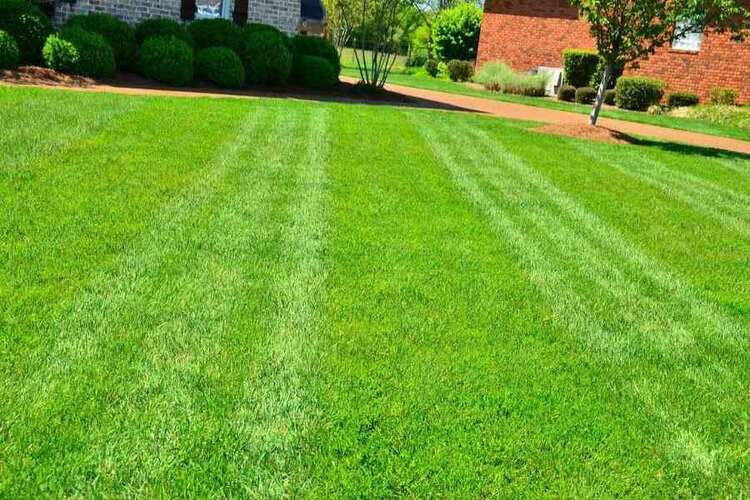
Bermudagrass and crabgrass both love summer heat, but they are not the same plant. Bermudagrass (Cynodon species) is a perennial turfgrass that survives from year to year through crowns, stolons and rhizomes. The crabgrasses commonly found in lawns, such as large and smooth crabgrass (Digitaria species), are summer annuals: they emerge from seed, set more seed and die after frost.
Quick comparison
| Feature | Bermudagrass | Common lawn crabgrass |
|---|---|---|
| Life cycle | Warm-season perennial | Summer annual |
| Spread | Stolons and underground rhizomes; also seed in some types | Primarily by seeds; sprawling stems can root at nodes |
| Winter | Usually turns brown and goes dormant | Plants die with frost; seeds overwinter |
| In a lawn | Intentional turf in suitable sunny climates | Typically a weed in thin turf |
| Management focus | Maintain dense turf; contain spread into beds | Prevent seed germination and fix bare areas |
How to identify the grass in front of you
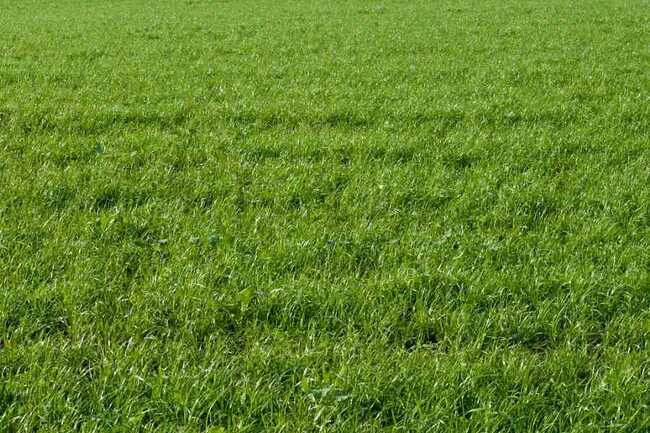
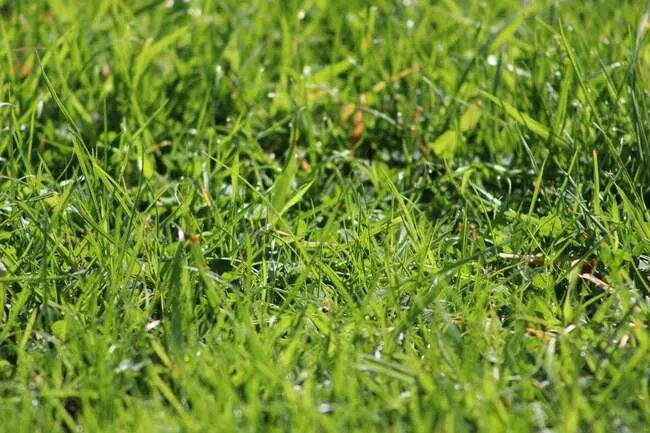
Look at several features together, not just the color or seedhead. Bermudagrass forms a dense mat of fine-textured shoots with visible aboveground runners and belowground rhizomes. Crabgrass often grows as a coarse, open clump with flattened, sprawling stems and broader blades, especially in bare sunny soil. Both can show finger-like flowering branches, so a seedhead alone does not settle the identification.
For an uncertain sample, photograph the collar region where leaf blade meets sheath, the plant base and any seedhead. A cooperative extension turf specialist or reliable identification key can distinguish look-alikes without risking an herbicide mistake.
Which is better for a lawn?
In a hot, sunny area where Bermuda is adapted, it can make tough, traffic-tolerant turf but needs frequent mowing during active growth and can invade beds. Crabgrass is rarely a deliberate substitute: its annual life cycle leaves bare ground after frost, and dense seed production can create recurring infestations. A lawn in a cool climate or shaded location may be better served by another species altogether.
If crabgrass is invading your Bermuda lawn
- Confirm the weed is crabgrass, rather than desirable Bermuda shoots.
- Correct thin turf caused by shade, scalping, watering mistakes or compacted soil.
- Use the recommended mowing height and a soil-test-based fertilizer plan.
- If control is necessary, choose only a product labeled for both the specific weed and your Bermudagrass cultivar and follow the label. Preemergent timing depends on soil temperature and region.
- Prevent bare spaces and seed set next season; a single treatment rarely replaces good lawn care.
For the turf choice itself, compare Bermuda and tall fescue. For seasonal maintenance, see when to fertilize Bermuda grass.