
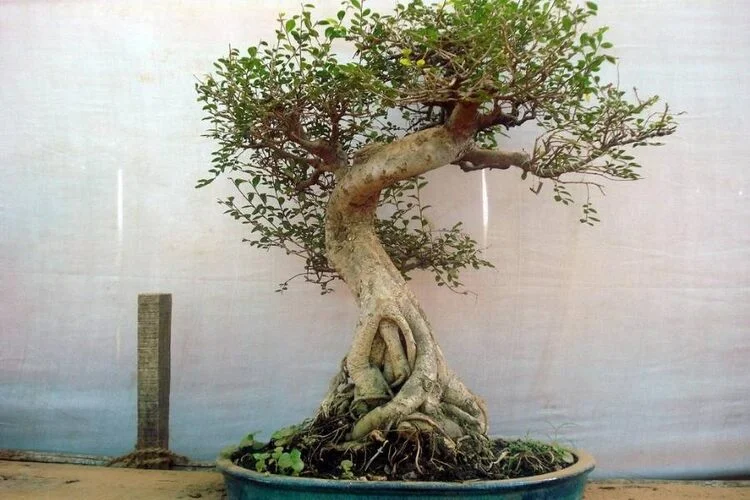
Cactus soil can sometimes work for bonsai, but it is not a universal replacement for bonsai substrate. A shallow bonsai pot has limited room for water and air. The tree species, climate and ingredients in the particular bag matter much more than the words “cactus mix” on its label.
Why the mixes appear similar
Both cactus and bonsai growing media benefit from air spaces around roots and a way for excess water to escape. Cactus mixes may contain pumice, perlite, bark, coir or grit, while specialist bonsai blends may use akadama, pumice and lava rock. Some bagged cactus mixes are coarse; others contain fine peat that becomes soggy or difficult to rewet. Therefore, “well draining” does not automatically mean “holds enough water for a shallow tree tray.”
Match the soil to the tree, not the label
A temperate pine outdoors, a Japanese maple in a shallow pot and a tropical indoor ficus have different demands. A highly coarse mix may leave a moisture-demanding bonsai dry between checks; a fine damp mix may suffocate roots. The Royal Horticultural Society's bonsai guide explains how shallow pots can dry quickly and why substrate recipes may differ for acid-loving plants. Start by identifying your tree and whether its roots prefer evenly moist or somewhat drier conditions. Consider summer heat, wind and your ability to check soil daily.
How to test the cactus mix
- Read the ingredients rather than assuming all cactus products use identical formulas.
- Wet a small sample and let it drain. It should not turn into dense mud or form a hard crust.
- Test a similar shallow container to see whether it holds usable moisture for the tree.
- Check the grain size: oversized chunks can leave poorly filled spaces around small fine roots.
- Confirm the bonsai container has actual drainage holes. A decorative layer of gravel is not a substitute.
Should you amend cactus soil?
Sometimes. An overly coarse mix may benefit from a suitable water-retentive bonsai component, while a fine compacted blend may need more structure. There is no universal 10/30/30 ingredient formula, and adding neem cake to prevent all fungal disease is not evidence-based. If unfamiliar with the tree, a species-appropriate bonsai mix is easier to manage. Repot carefully, keep the previous planting depth, water through and protect disturbed roots from harsh environmental swings. Consult cactus soil for other plants for the broader difference between moisture-loving and arid-adapted roots.
Aftercare and reliable reading
Monitor real drying time after a substrate change rather than watering on an old calendar. Reassess when leaves wilt or a container stays saturated, checking the root zone before fertilizing. See RHS guidance on bonsai compost and watering and RHS on cactus compost for the different aims of these mixes. For a related succulent root problem see why cactus tissue darkens.