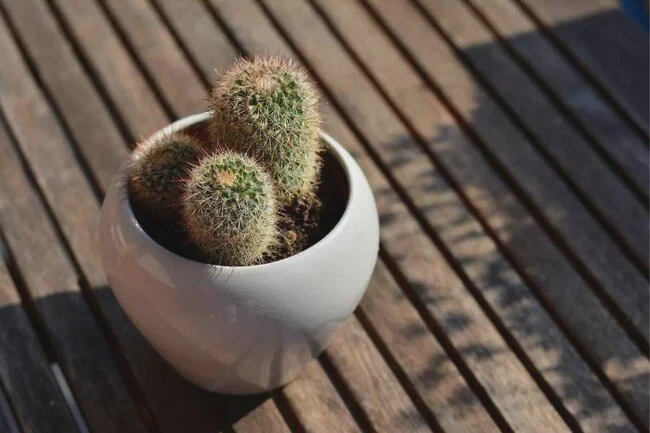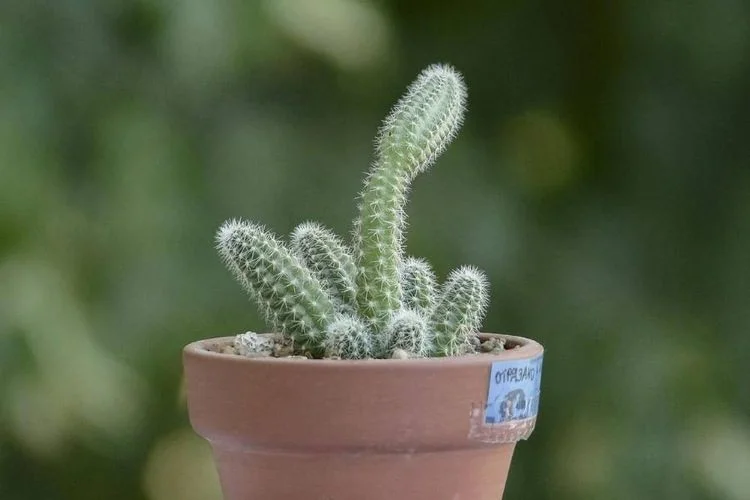
A cactus turning black needs prompt inspection, but the color alone does not identify the cause. Soft, wet, rapidly spreading black tissue near the soil line is concerning for rot; a firm dry dark scar may reflect old injury or corking. Recent cold weather, direct sun, physical damage and pests also matter. Check texture, location, drainage and whether the dark area is expanding before cutting the plant or applying a chemical.
First distinguish soft rot from firm scars
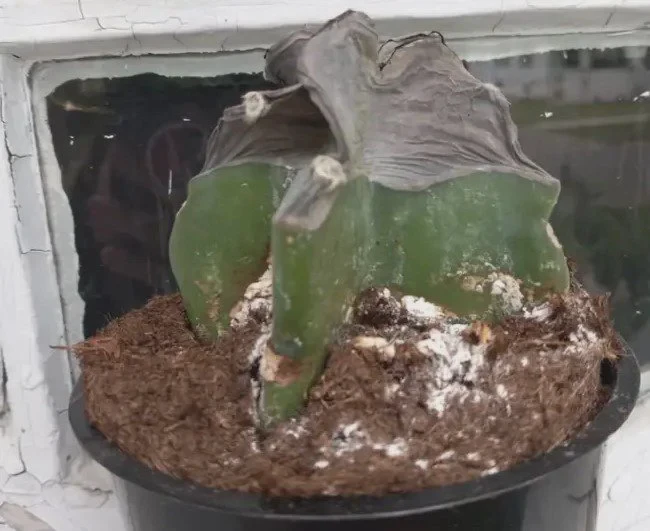
Gently inspect the affected area without puncturing healthy tissue. Soft, collapsing or water-soaked black areas, especially at the base, suggest decay or infection; a sour smell and wet root ball strengthen the concern. A hard, dry, rough brown-to-dark patch on an otherwise firm older stem can be natural corking or healed injury, not necessarily a spreading disease. The Texas A&M plant disease handbook describes bacterial soft rot as wet black deteriorating tissue, while extension plant-health advice describes age-related corking as a harder barklike change.
Overwatering and poorly draining pots
Cacti need air around their roots. Dense mixes, containers lacking holes and soil sitting under runoff can leave the root zone wet long after irrigation. Damaged roots may allow stem tissue to weaken near the base. If the substrate is saturated and the plant softens, isolate it and inspect the root ball; avoid additional watering. Where healthy tissue remains, a specialist may be able to advise on taking a viable cutting, but severe widespread soft rot may require discarding the plant to protect the collection. Do not rely on a fungicide before identifying the problem.
Cold injury and sunscald
Exposure to frost or temperatures too low for that cactus species can discolor tissue after the event, sometimes beginning as wet-looking patches and later becoming dark dry scars. Direct sun that a greenhouse-grown plant was not acclimated to can also damage the skin, leaving tan or darkened patches. Compare the affected side with the direction of sunlight or recent contact with cold glass. Move the plant to suitable temperature and filtered brightness while damage stabilizes. Existing dead tissue does not become green again; avoid drastic rewetting as a response to cold shock.
Black spots that continue spreading
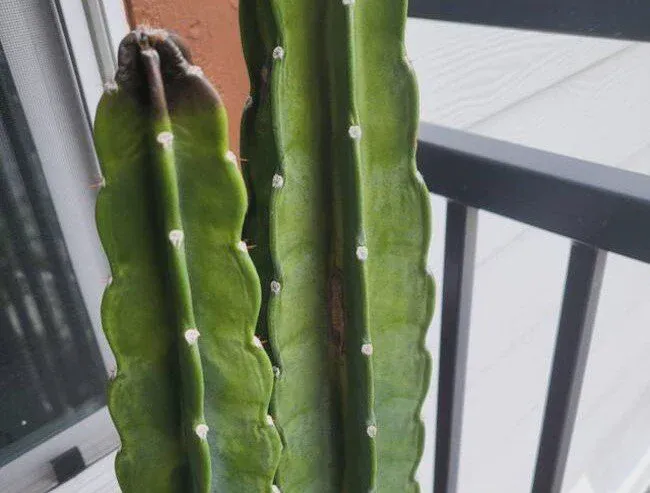
Some fungal or bacterial disorders produce defined spots or lesions that expand, but different pathogens produce overlapping signs. For example, Texas A&M documents distinct cactus diseases involving black spots and bacterial soft decay. Accurate treatment may require inspecting a sample or contacting a university plant clinic. Remove affected tissue only when identification and remaining healthy tissue justify it, using clean tools and keeping discarded material away from other plants. Do not assume a particular YouTube spray will cure an unidentified infection.
What to do today
- Quarantine the plant if there is rapidly spreading soft decay or visible pest activity.
- Check whether the patch is wet and mushy, hard and corky, or newly sun-scorched.
- Look at the potting mix, drainage holes, roots, cold exposure and recent sun changes.
- Keep it away from frost, extreme reflected heat and standing water.
- For a localized, stable hard scar, observe without unnecessary cutting; for spreading soft rot, seek expert guidance and consider disposal when recovery is unrealistic.
Prevention and relevant care
Choose a species-appropriate free-draining mix and a pot with drainage. Allow the root zone to dry as that species requires, increasing light gradually after a move. Don't assume all cacti need identical direct sunlight: forest cacti can prefer filtered exposure. Read cactus sunlight requirements and potting mix selection. Indoor holiday cacti have their own disease risks and watering needs.
Evidence
Texas A&M AgriLife: Cacti and Succulent Diseases documents black spot and soft rot patterns. University of Minnesota Extension: Holiday Cacti distinguishes water-soaked stem rot, sunken lesions and root decay. UMN Cacti and Succulents explains suitable light, drainage and watering. These sources support inspecting symptoms before making a diagnosis.