
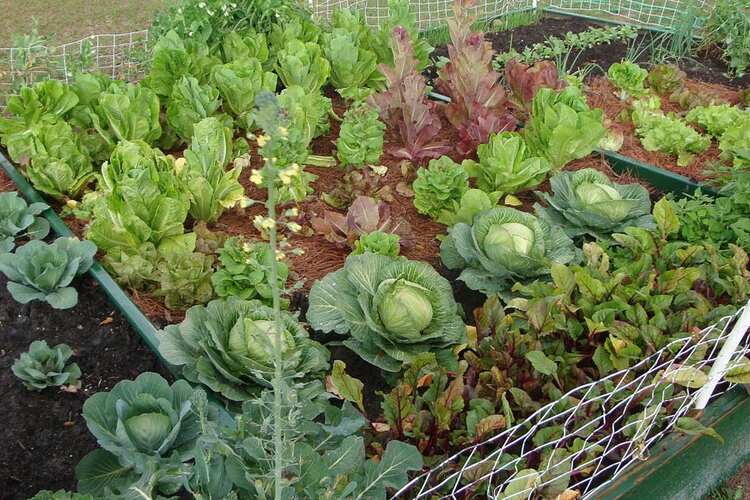
Do not apply lawn weed-and-feed fertilizer to vegetables. Many such products include herbicides that can injure or kill broadleaf garden crops. A plain fertilizer formulated for turf may contain the same basic nutrients vegetables use, but it is appropriate for an edible bed only if the product's full label permits that application and its nutrient analysis matches a soil test and the crop's needs.
Start by separating fertilizer from weed killer
The word “fertilizer” does not tell you whether a lawn product contains additional active ingredients. Read the bag's entire front and back label and check for a pesticide registration number and names of weed-control ingredients. University of Minnesota Extension expressly warns against fertilizers containing weed killers in vegetable beds because they can kill vegetable plants. A combined preemergent weed preventer or broadleaf herbicide may remain inappropriate even if the nitrogen content looks useful.
Can plain lawn nitrogen be used in a vegetable garden?
Some plain, non-herbicidal fertilizers may be allowed in ornamental and vegetable landscapes, but not every lawn product is labeled for edible crops. Vegetable nutrient needs also differ: leafy greens, tomatoes, potatoes and legumes do not all need the same nitrogen amount. High-nitrogen applications can push foliage while delaying fruiting or causing imbalanced growth. Read approved uses and rates before deciding whether a bag is suitable.
How to choose nutrients for an edible bed
- Take a representative soil sample for testing before adding phosphate, potash or lime.
- Review recommended fertilizer and timing for the actual crop, accounting for compost and previous applications.
- Pick a garden fertilizer whose label specifically permits the use and whose nutrient analysis fits the recommendation.
- Measure bed area carefully, calculate the dose and keep product off foliage unless foliar use is permitted.
- Water as required by the label, avoid runoff, and store fertilizers away from food and children.
What if lawn fertilizer already reached the vegetables?
Identify the exact product and amount first. If the product contains herbicide, do not assume the crop is safe to harvest after rinsing. Follow the label's restrictions and contact the manufacturer, extension service or relevant pesticide information service for guidance about that active ingredient, application and harvest. The consequences depend on the product—there is no universal waiting period for all products. Avoid using treated clippings or compost near crops when the herbicide label restricts such uses.
Safer alternatives and common mistakes
For potatoes, University of Minnesota specifically recommends a crop-appropriate side-dressing program rather than indiscriminate turf feed. For tomatoes and peppers, avoid excessive nitrogen, particularly once fruiting begins. Organic fertilizer is not inherently harmless either: raw manure may present food-safety risks, and concentrated organic products can burn roots when overapplied. Soil testing and label compliance matter more than whether the product is sold as “natural.”
See feeding sweet potatoes and planting potatoes at the right spacing for crop-specific steps.