
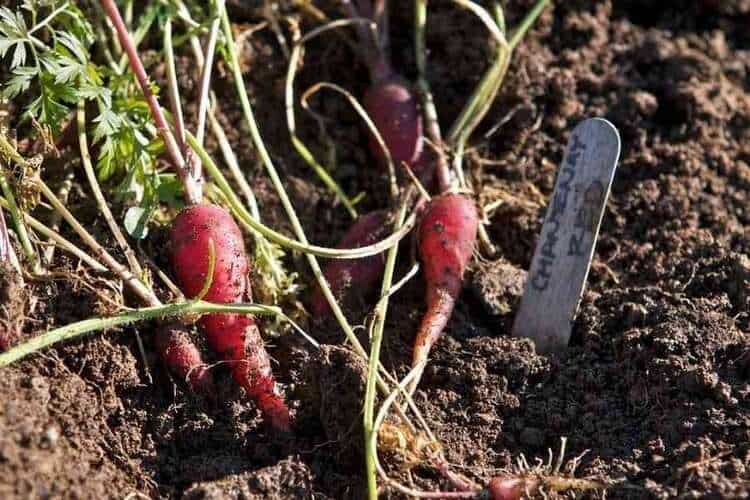
For sweet potatoes, start with a soil test and feed according to your soil rather than adding a generic “root vegetable booster.” Sweet potatoes are relatively modest nitrogen feeders compared with many vegetables, but potassium supply is important for their storage-root development. Too much nitrogen can encourage vigorous vines without improving the crop beneath them.
Sweet potatoes are different from regular potatoes
Sweet potatoes (Ipomoea batatas) develop swollen storage roots; regular potatoes (Solanum tuberosum) produce stem tubers. Their growing habits and fertility requirements are not interchangeable. The University of Georgia notes that sweet potatoes are comparatively light users of nitrogen and need substantial potassium in its commercial Coastal Plain production systems. Home-garden rates should come from a garden soil report and local recommendations rather than converting an acre-scale commercial rate by guesswork.
What nutrients matter most?
- Nitrogen: supports foliage and vines, but overdoing it can bias growth toward leaves instead of harvestable storage roots.
- Potassium: is important for root growth, plant water regulation and crop quality; supply it if soil testing shows a shortage.
- Phosphorus: can help growth in deficient soils but is often already sufficient; extra is not automatically beneficial.
- Magnesium and micronutrients: correct documented deficiencies instead of automatically applying Epsom salts, bone meal or seaweed extracts.
A sensible fertilizer timeline
- Sample the soil well before planting, check pH and identify nutrient deficiencies.
- Prepare a sunny, well-drained bed, adding compost as soil conditions warrant.
- Apply any recommended preplant nutrients at the amount and depth the local guidance specifies.
- If nitrogen is recommended during the season, use the extension's split-feeding schedule rather than late heavy doses.
- Once vines cover the rows and storage roots expand, avoid unnecessary nitrogen and maintain consistent moisture.
- Record what you actually applied so next year's soil test can guide adjustments.
What about compost, bone meal and Epsom salt?
Well-finished compost can improve soil structure and contribute nutrients, but the nutrient release is variable. Bone meal adds phosphorus and some calcium and is only justified where those are deficient and the product is appropriate. Epsom salt is magnesium sulfate, not an all-purpose sweet-potato fertilizer; adding it to soil that already has enough magnesium can imbalance nutrition. Organic labels do not replace a soil test or safe handling.
Common fertility problems
If vines are dense but the harvest is poor, inspect sunlight, variety, season length, compaction and excess nitrogen. Poor drainage and water stress can also deform or limit roots. Crop rotation and healthy planting slips help with disease management; fertilizer cannot cure infected planting material. Weed-and-feed lawn products must stay out of edible beds, as explained in the lawn-fertilizer guide.
Bottom line
Build the sweet-potato fertilizer plan around the specific soil's needs, modest measured nitrogen, adequate potassium and good moisture. Avoid adding multiple supplements on speculation.