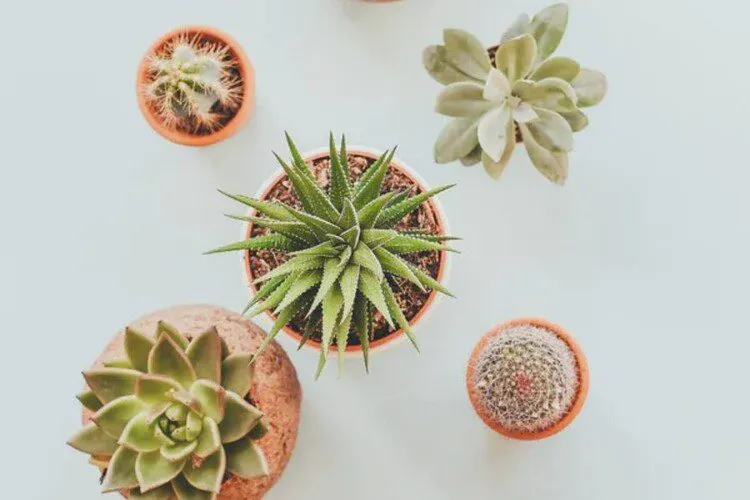
Succulents can stay small, spread outward or grow into substantial shrubs and cacti. “Succulent” is a trait—fleshy water-storing leaves or stems—not a single plant family with a predictable height. The best way to know how big your particular plant may become is to identify its genus, species and cultivar.
Examples of different sizes and habits
| Type | Habit | Space to plan for |
|---|---|---|
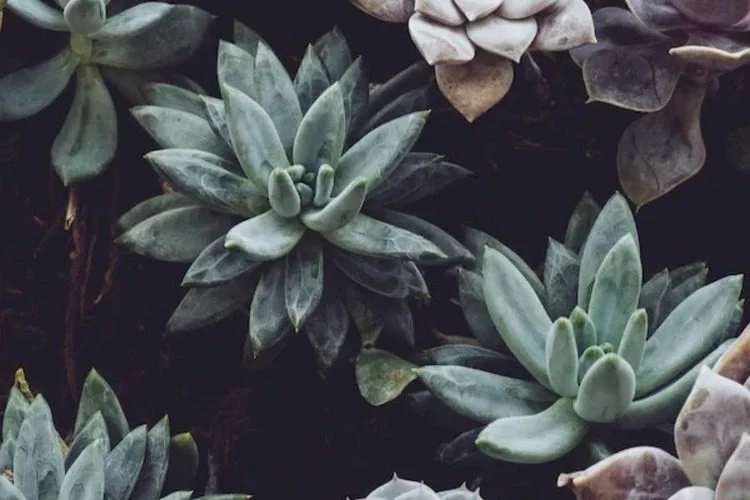
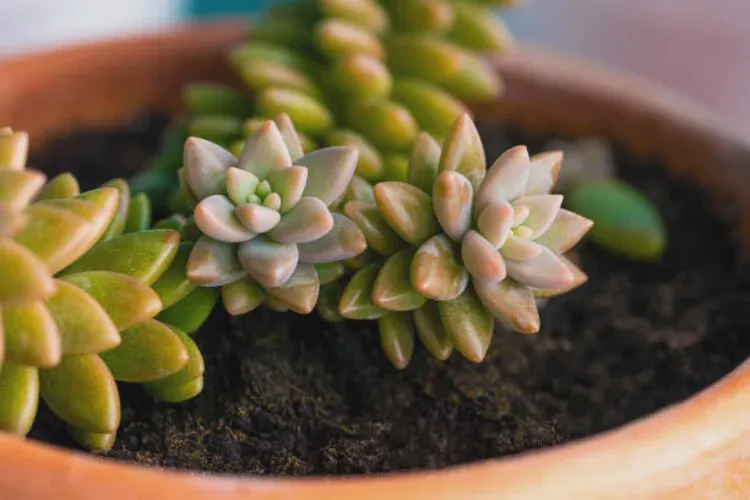
| Echeveria-type rosettes | Compact leaf rosettes; may produce offsets | Width for the rosette and young plants |
| Trailing sedum | Spreading or hanging stems | Clearance below pot edges |
| Jade plant | Woody branching succulent shrub | Stable pot and space for a broad canopy |
| Columnar cacti | Upright stems of varied eventual height | Vertical room and tip resistance |
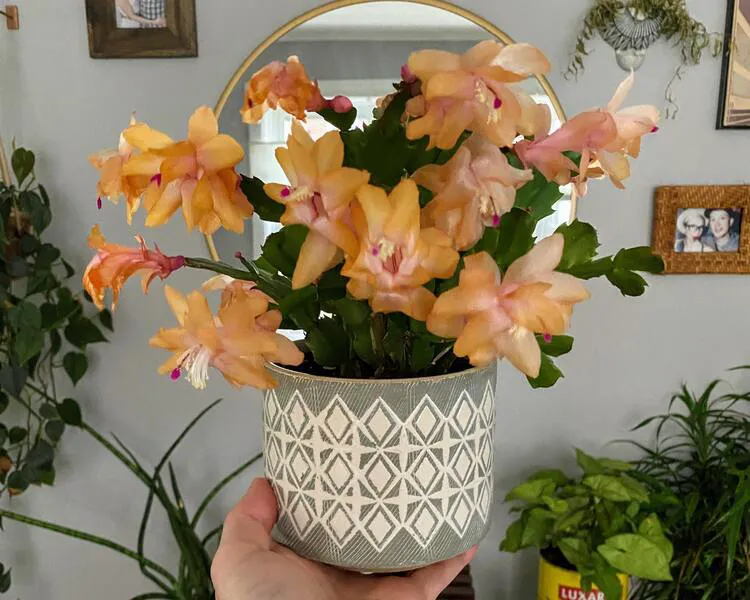
| Holiday cactus | Arching segmented stems | Sideways and hanging room |
Light affects shape, not genetic identity
A sun-adapted succulent kept in deep shade may stretch between leaf nodes or produce narrow pale growth—etiolation. Such a plant can look taller while actually becoming less healthy and structurally weaker. Increasing light appropriately can improve the shape of later growth, but existing stretched tissue will not shrink back. Some forest succulents cannot tolerate harsh midday sun, so identification matters. See how cactus light requirements differ.
Can a small pot keep every succulent tiny?
Restricting roots may slow growth, but a severely crowded root ball can cause watering and stability problems. Oversized pots may remain wet for too long, particularly indoors. A plant that grows slowly in winter is not necessarily stunted or in need of more feed. Many succulents require modest fertilizer and especially benefit from good drainage. Choose the pot for the actual root mass; increase size gradually when healthy roots have filled the container.
Water and feeding decisions
University of Minnesota Extension notes that succulents generally need abundant light and modest amounts of water and fertilizer. Water when the species and rooting medium need it, then let excess run out through a drainage hole. Do not use a fixed weekly watering rule for every succulent. Feeding a plant with poor light or rotting roots will not correct those problems. See why coffee grounds aren't a growth shortcut and how to choose a potting mix.
How to choose a plant for your space
- Read the botanical label and check credible species-specific mature size and growth habit.
- Allow for sideways spread or long trailing stems, not only height.
- Compare expected indoor versus outdoor growth; a sunny outdoor climate may allow more vigorous growth.
- Consider how much light the future larger plant will receive.
- Plan for safe access, drainage and stability as the plant expands.
Sources
University of Minnesota Extension: Cacti and Succulents and RHS: Cacti and Succulents explain variation in succulent forms, lighting and watering. The exact mature size must come from a species-level reference, not a general succulent size estimate.