
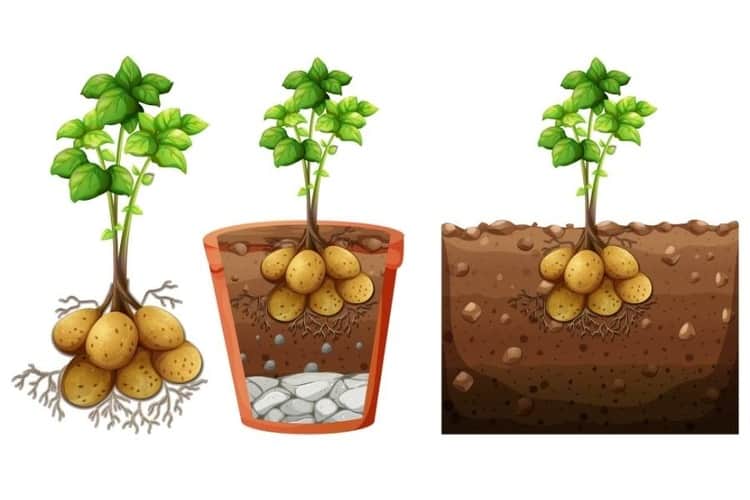
There is no dependable fixed number of potatoes per plant. One healthy potato plant can produce several marketable tubers, but the count and harvested weight vary substantially with cultivar, season length, seed-piece quality, water, nutrients and planting density. A plant producing fewer large tubers may yield more usable food than one producing many marble-sized potatoes.
Why potato counts differ so much
Different varieties naturally set different numbers of tubers. Fingerlings and small new-potato types are harvested for smaller potatoes, while many baking cultivars are managed for larger tubers. Planting pieces close together tends to produce smaller tubers, but the exact number does not scale predictably with distance. Disease, heat, flooding or drought at tuber initiation can sharply reduce both count and weight.
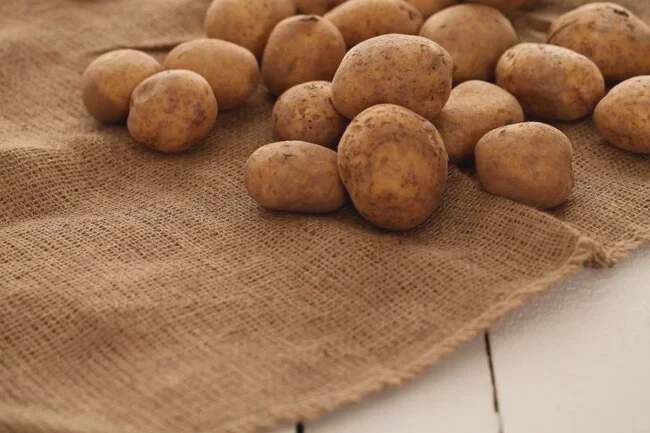
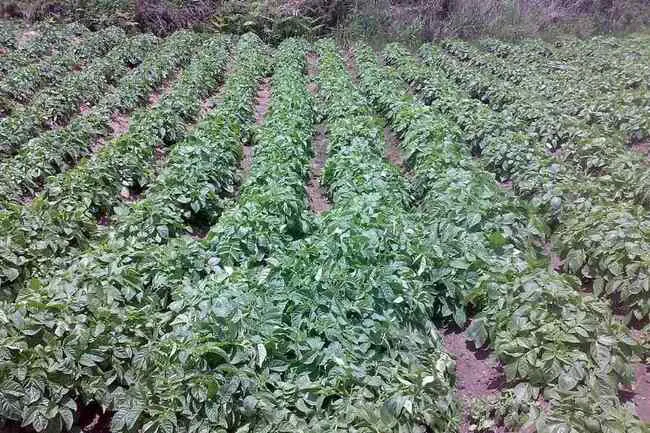
Count, weight and usable harvest are not the same
To compare results fairly, measure harvested weight and how much is sound enough to use, as well as tuber count. For example, two sample plants may have eight smaller potatoes versus five larger ones without a meaningful difference in total harvest weight. Those numbers illustrate why count alone is inadequate; they are not a guaranteed yield forecast. Keep records by variety rather than using an advertised “potatoes per seed” promise as a budget for meals.
Five ways to improve an actual crop
- Start with certified seed: potato diseases spread in saved or supermarket tubers.
- Plant at an appropriate distance: University of Minnesota suggests 10–12 inches between pieces for typical home rows, with adjustments for desired size.
- Keep developing tubers covered: hill soil as plants grow to prevent light-induced greening and protect shallow tubers.
- Water consistently: don't allow severe dry spells followed by abrupt heavy irrigation during tuber bulking.
- Use the correct fertility plan: test soil and manage nitrogen, potassium and drainage according to potato guidance.
When and how to check your yield
New potatoes can be sampled early while skins are tender, often several weeks after planting, but they are not a measure of the eventual mature storage crop. For full-size tubers, let foliage mature and die back naturally unless crop health calls for a different harvest decision. Dig one representative plant carefully, count the usable tubers and weigh them. Repeat across several plants to avoid mistaking one unusually strong or weak plant for an average.
Problems that limit yield
Low sun, compacted or poorly drained soil, late blight, Colorado potato beetles and long periods of moisture stress can all limit the crop. Greening from sun exposure makes potatoes unsuitable to eat if green or bitter; store away from light. A smaller harvest may reflect a short season or early variety rather than poor fertilizer. For preparation see spacing seed pieces; near harvest use the watering transition guide.
What is a good yield?
Rather than promise a single “average number,” set a baseline from your locally recommended variety and record the weights you harvest this season. That creates a meaningful comparison for next year's seed, spacing, watering and disease-control choices.