
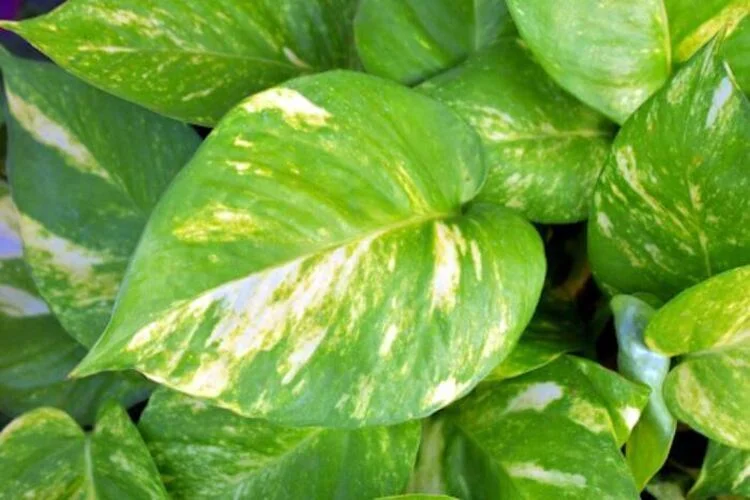
Pothos tolerates ordinary indoor humidity in many homes, although very dry air can contribute to crispy leaf edges. If humidity is persistently low, a clean room humidifier and a hygrometer provide more dependable control than occasional leaf misting. First check watering and drainage because brown edges have several possible causes.
To unleash the true potential of your pothos plants, replicate their natural humidity levels by making minor adjustments such as clustering them together and adding gravel trays. Fortunately, these resilient plants can tolerate a broad range of environments, so you’re sure to foster gorgeous greenery.
How To Improve Humidity For Pothos?
Whether you’re a gardening novice or an expert, there are plenty of great solutions for boosting the humidity around your indoor plants. From simple and low-cost methods to slightly more advanced strategies, everyone can find something that works best for them.
Line up plants together
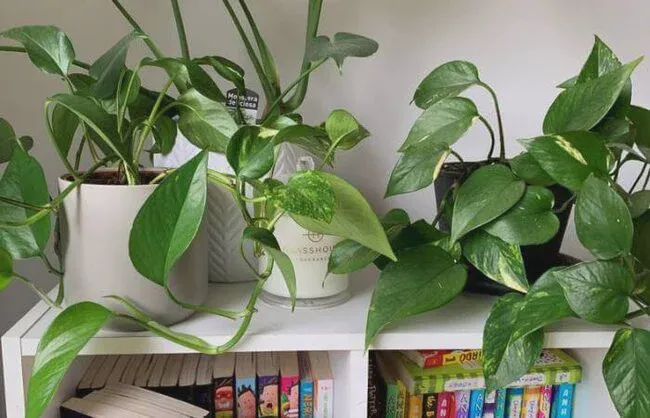
Grouping plants together is an effective way to boost humidity levels in a specific area. Through their combined transpiration, these indoor plants work together to create a mini-microclimate that aids them in thriving. It may seem simple, but it’s one of the most dependable tactics for combating dryness and ensuring optimal conditions.
Gravel tray
An easy solution is a gravel tray. Place it in an attractive tray filled with gravel, ensuring that no water goes above the level of said gravel. This will enable evaporation to occur and keep your favourite green friend thriving for years to come.
Humidifiers
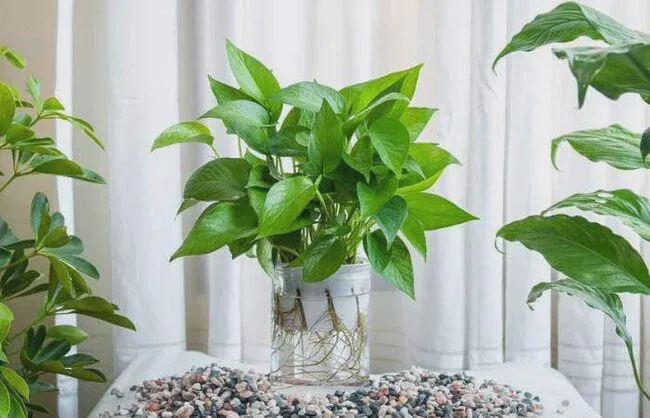
A room humidifier can increase humidity more consistently than occasional misting. If the device has a humidistat, it can help regulate its output; use a separate hygrometer to measure the air's relative humidity. Clean and maintain the humidifier as its manufacturer directs, and avoid wet walls, condensation or persistent leaf wetness.
When shopping for humidifiers, you will want to communicate with your retailer regarding the overall cost. It’s essential to be aware of both how much space is available and if there are other potted plants in the same area; this makes it easier to determine which model fits best.
Generally, you have two options. The first is a heat-based type that creates gentle steam with warm water. Alternatively, there’s the mist version, which generates soothing moisture using its built-in agitator.
Misting
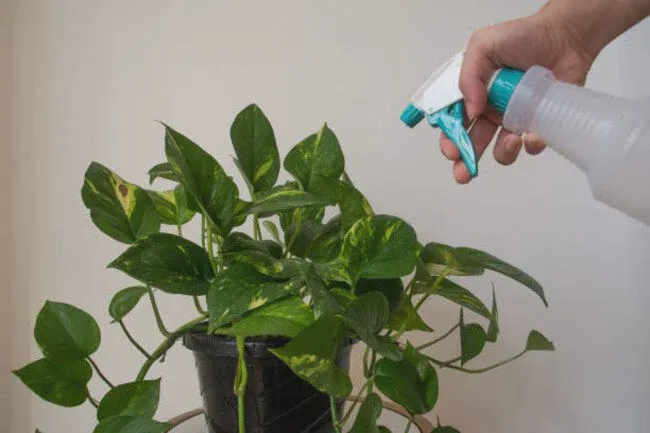
Misting briefly wets the leaves but rarely increases room humidity for long. Frequent wet leaves can encourage spots in poorly ventilated conditions. A properly maintained humidifier is more effective for persistently dry indoor air; keep the plant away from cold drafts and avoid leaving foliage wet for long periods.
Recent studies are sparking a lively debate on the effectiveness of misting plants, with some suggesting that while it briefly increases humidity levels, they quickly return to normal once the plant is dry.
Furthermore, there’s evidence pointing towards wet leaves potentially opening up plants to diseases or fungal issues, something gardeners should keep in mind when deciding whether this method works for them.
What Does Pothos Need Humidity For?
A lack of humidity can spell disaster for your pothos! When the environment is too dry, transpiration levels are thrown off balance. This means that water with vital nutrients won’t be absorbed properly through the roots, and even worse, precious liquid will go to waste on top of its leaves as stomata struggle desperately in vain against arid conditions.
When exposed to dry conditions, these tropical plants become stressed and vulnerable. Rather than flourishing with open pores that allow water and nutrients to travel throughout their system, they shut down in order to protect themselves from dehydration, resulting in slowed transpiration rates that can eventually lead to a weakened state.
With just a few adjustments to its environment, the Pothos can become an even more vibrant and vigorous plant. By bringing humidity levels within their ideal range, you will notice your plant begin to flourish, becoming healthy, handsome, and highly resilient.
High humidity can spell the death knell for your precious pothos plants. They become vulnerable to mold and fungal diseases, resulting in signs like wet brown spots and droopy leaves or stems. If not treated quickly enough, root rot could plague the plant, leading it down an irreversible path of destruction.
How Much Humidity Is Good For Pothos Growth?
Humidity is an interesting phenomenon; it’s determined by both temperature and moisture, so even in dry desert regions, there can be a low humidity level. The air holds differing amounts of water vapor depending on the temperature; as temperatures rise, more sultry moisture enters the atmosphere.
The temperature inside your home plays an important role in determining the moisture levels required for healthy house plants. Turning on the heat can cause humidity to drop, but with enough available water around, warm air will absorb it and help keep a balanced level of hydration that’s best for greenery.
Keeping your Pothos plant happy is easier than you may think—simply measure humidity and maintain the levels as they are in nature! This tropical plant beauty loves humid environments where temperatures range from 50 to 70% but can endure as high as 85% with ease. With some easy tricks, you’ll be able to provide just what it craves for long-lasting happiness.
How To Know When Pothos Need More Humidity
If your Pothos isn’t thriving, keep an eye out for key warning signs like brown-tipped leaves and fragile leaf margins. Additionally, the plant may be wilting or even losing its vibrant green hue as yellowing sets in—a sure sign that it’s struggling with low humidity levels.
Brown leaf tips and wilted foliage can have more than one cause, including watering problems and dry air. Use a hygrometer (not a hydrometer) to check relative humidity, then assess the potting mix and roots before changing the room environment. Avoid setting the room so humid that windows, walls or leaves remain wet for long periods.
You should also consider your soil conditions to have the best impact. There are several kinds of potting soil that are less likely to drain water, thereby maintaining more moisture for the plants. When this is the case, adding more humidity to pothos will not be a good idea. A potting mix of 20–30% grit or perlite is good for drainage and makes your pothos humidity easy to control.
Pothos plants are generally quite resilient; even if they’re not exhibiting any signs of distress, low-humidity environments could be holding them back from reaching their full potential.
FAQs
Related posts:
Further reading: Iowa State University Extension — indoor humidity and houseplant care.