
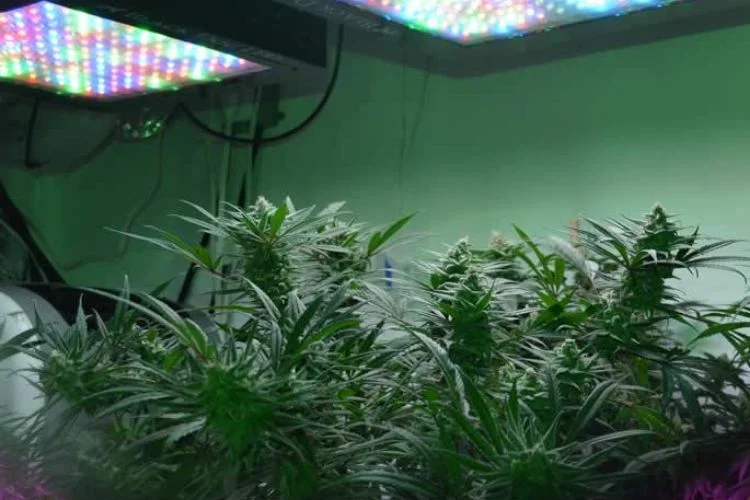
ViparSpectra publishes different power and footprint options rather than one universal grow light. Documented examples include XS1000 at 100 W, XS1500 Pro at 150 W, and P2000 at 250 W. Match the specific model and measured canopy distribution to the plants you actually want to grow.
XS1000: compact output
The upgraded XS1000's manufacturer page identifies a 100 W LED with dimming and a smaller growing footprint. A compact board is a plausible option for a small tray or tent, but a manufacturer's 'vegetative coverage' is not the same as guaranteed high-light coverage for every crop. Check measured PPFD at the height you will use. The product's name does not imply a 1000 W draw.
XS1500 Pro: optical distribution
ViparSpectra's XS1500 Pro page lists 150 W, lenses and a 2-by-2-foot flowering coverage claim. Lenses change how the light spreads; the practical question is whether the edges of the canopy receive enough photons. Use the PPFD map and instructions rather than a blanket distance rule for all LEDs. Allow room to raise the fixture as plants grow.
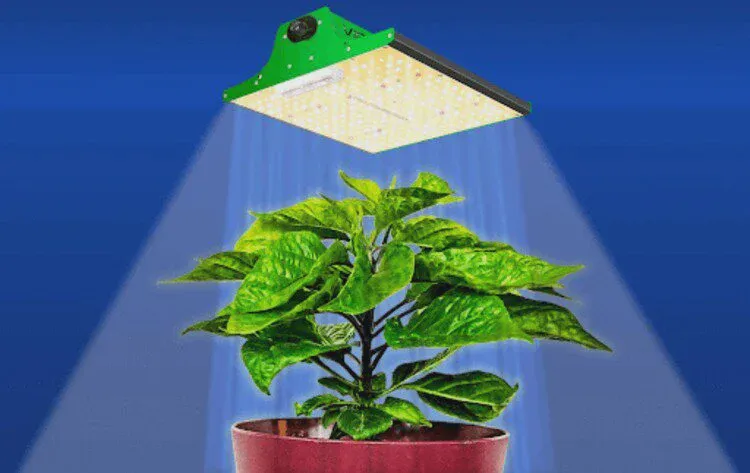
P2000: another power category
The P2000 listing identifies a 250 W class light with white/red diodes and daisy-chain functions. Verify the product revision because link limits, driver and plug options can differ. A larger fixture may be more economical than several small boards for a suitable canopy, but can overlight one shade-tolerant houseplant. Read the actual input and manufacturer recommended coverage for the crop stage.
Compare the products consistently
Avoid comparing a 100 W light with a 250 W unit as if the difference were only manufacturer quality. Standardize growing area, light level, height, watts and price before choosing. Manufacturer efficacy statements are useful only with comparable methods. Plants need correct daily light and a regular night period, not maximum output at all times. Dimming can improve flexibility as the crop changes.
Buying limitations and decision
These are specifications-based comparisons rather than a field test. Check exact SKU, new versus old revisions, expected warranty and replacement support with the seller. Follow mounting and electrical safety instructions, and keep equipment clear of irrigation. Choose the least complicated unit that meets the documented crop-level requirement; brand names and star ratings should not make that decision alone.
Before choosing a fixture
- Identify the crop and plant canopy dimensions before looking at model numbers.
- Confirm the exact wattage, PPFD map, safe hanging height and electrical rating.
- Check the genuine warranty and controller or accessory compatibility.
- Follow an appropriate light/dark schedule and monitor new growth.
Sources and further reading
- www.viparspectra.com — published product details or growing guidance
- www.viparspectra.com — published product details or growing guidance
- www.viparspectra.com — published product details or growing guidance
- extension.umn.edu — published product details or growing guidance
Related guides: vivosun vs viparspectra · what size grow light do i need · how to choose a grow light