What is a weeping begonia?
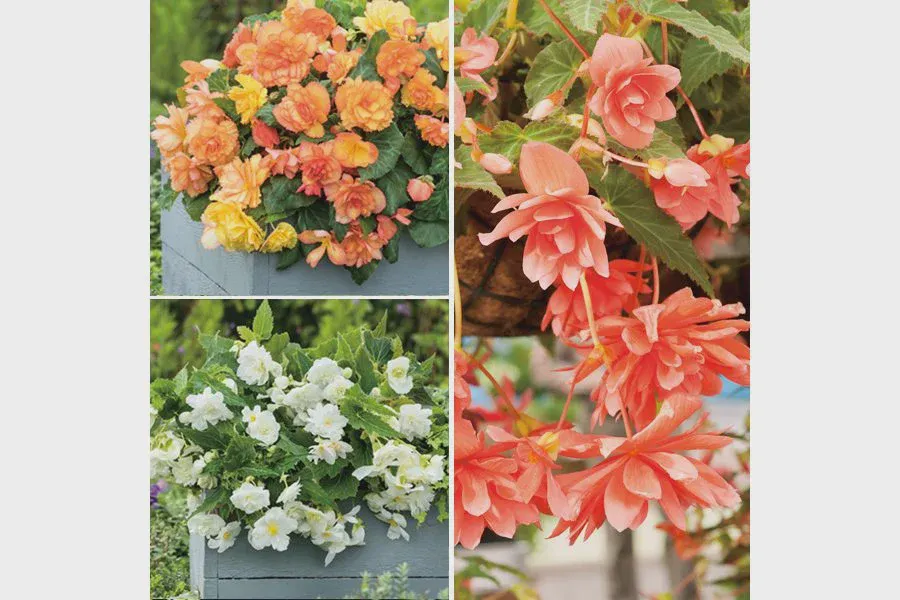
“Weeping begonia” commonly means a trailing or cascading begonia grown for flowers that hang over basket edges. It is not one unique botanical species with one hardiness zone. NC State Extension's begonia overview describes both upright and trailing habits, and begonias can have tuberous, fibrous or rhizomatous roots. Find the cultivar name on the original tag when possible; winter care and propagation vary by type.
Many hanging-basket cultivars produce long flowering stems in warm weather. A different begonia grown primarily for showy leaves may require another approach even if a seller uses a similar common name.
Trailing tuberous, fibrous-rooted and cane begonias
Trailing tuberous begonias are usually summer-display plants with swollen underground tubers. They often rest during winter and require frost-free tuber care. Fibrous-rooted trailing kinds may remain leafy indoors when conditions suit them. Cane-stemmed begonias are grown as houseplants and have their own lighting and watering preferences.
RHS describes Begonia 'Cascade' as a trailing type used in baskets and containers. That is a useful example of a named cultivar rather than evidence that every cascading begonia needs identical care.
Light and temperatures
Bright shade or partial shade usually suits flowering basket begonias better than prolonged harsh afternoon sunlight. Outdoor plants should go out only after frost risk has passed. The Royal Horticultural Society advises frost protection for tender outdoor begonias. As a rule, avoid exposing a new plant to midday sun until it is gradually accustomed to stronger light.
For indoor varieties, the RHS houseplant guidance distinguishes cane, rex and other kinds, some needing warmer temperatures. Do not treat a universal “USDA zones 6–11” claim as applicable to every weeping begonia.
Watering and well-drained potting mix
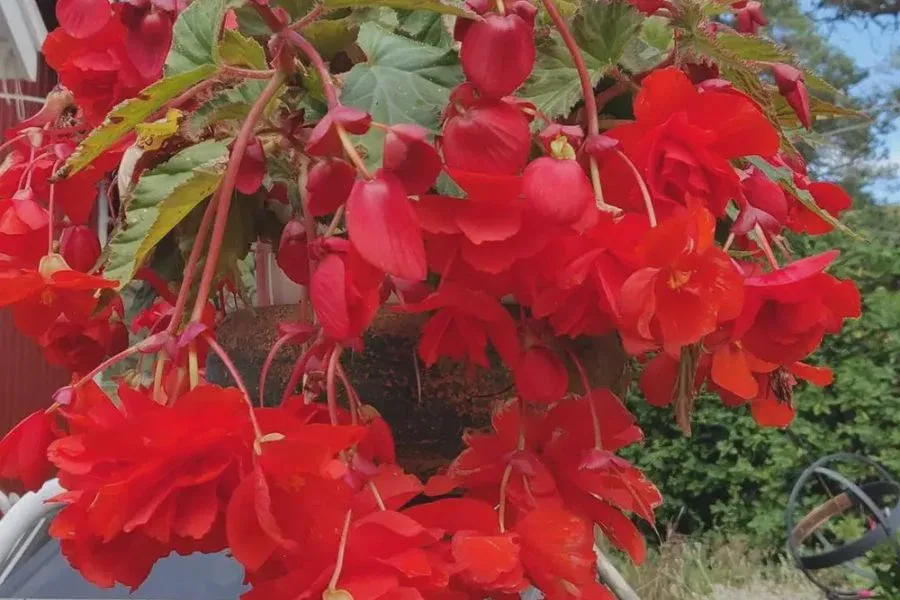
Use a porous container mix and working drainage holes. Check below the top surface and feel the basket's weight before watering. Hot wind can dry a small hanging basket quickly; a cooler indoor pot may remain moist for longer. Water gently until the root ball is wetted and the surplus drains away; never leave the roots sitting in standing water.
Too little water can cause wilting and dropped flowers, while too much retained moisture can rot roots and tubers. Adjust to the specific plant, weather and container rather than watering on an immutable calendar. Keep foliage from staying wet overnight when possible, especially if gray mold has been a problem.
Feeding, pruning and flowers
During active growth, follow the cultivar's fertilizer guidance and the product's stated container rate. RHS suggests a high-potassium feed for some flowering tuberous begonias during the UK growing season, but foliage begonias can have different nutrient needs. Avoid heavy feeding when the plant is dormant, chilled or root-damaged.
Remove clearly dead or decaying flowers and leaves without tearing healthy stems. A light cleanup can keep a basket attractive and reduce debris that stays wet. Heavy cutting or tuber division should be matched to the actual cultivar, not performed automatically to encourage more blooms.
How to overwinter a trailing begonia
Tuberous types: allow the foliage to decline naturally as the growing season ends, reduce watering, and store sound tubers in cool, frost-free conditions according to the cultivar's instructions. Check occasionally for rot or excessive shriveling. Continual soaking can damage resting tubers.
Evergreen or fibrous-rooted types: bring suitable plants indoors before frost and provide sufficient light and warmth, with watering adjusted downward as growth slows. Inspect undersides of leaves for pests before placing them beside other houseplants. If unsure of the variety, ask the supplier to identify it before allowing a plant to dry out completely.
Common problems and propagation
- Drooping leaves with dry soil: inspect for drought stress and water thoroughly if needed.
- Soft black stems or tubers: inspect drainage and root rot; discard clearly dead tissue.
- Pale scorched leaves: move to filtered light if damaged by intense sun.
- White powdery or gray mold: improve circulation, reduce lingering leaf wetness and obtain a diagnosis.
- Sticky or distorted growth: look for aphids, mealybugs, thrips and mites.
Cuttings can propagate many fibrous and cane begonias. Some tuberous kinds are grown from tubers or carefully rooted shoots, while seed culture depends on the type. Avoid promising that seeds from hybrids will reproduce a named cultivar exactly.
Pet safety and plant identification
ASPCA lists true begonias (Begonia spp.) as toxic to cats and dogs; tubers and underground parts are especially concerning. Keep hanging baskets, fallen pieces and stored tubers away from curious animals, and contact a veterinarian following suspected ingestion. Some unrelated plants have “begonia” in a common name; confirm the scientific identity to assess safety correctly.