
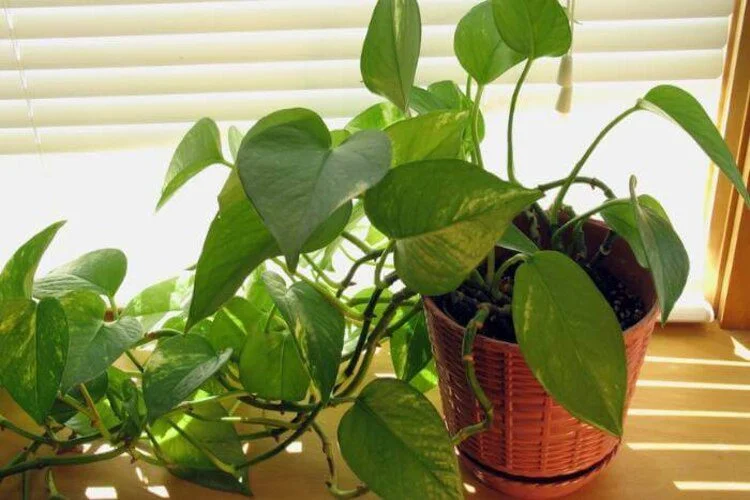
Yes. Pothos is toxic to dogs. Golden pothos, also called devil’s ivy (Epipremnum aureum), contains insoluble calcium oxalate crystals that can irritate a dog's mouth and digestive tract when chewed. The ASPCA lists golden pothos as toxic to dogs and cats.
If your dog may have eaten pothos, remove access to the plant and contact your veterinarian or a pet poison-control service promptly. Seek emergency veterinary care for difficulty breathing, severe swelling or difficulty swallowing. This article is general information, not a diagnosis.
Why is pothos toxic to dogs?
Pothos belongs to the arum family (Araceae), not the spider-plant family. Its leaves and stems contain insoluble calcium oxalate crystals. Chewing releases the crystals, which can cause immediate pain and irritation to the lips, tongue, mouth and throat. This is different from a poison that routinely causes systemic organ failure.
Possible signs after exposure include drooling, pawing at the mouth, reluctance to eat, vomiting, and trouble swallowing. Severe throat irritation and swelling are uncommon but warrant immediate treatment. The Pet Poison Helpline explains how insoluble oxalates affect pets.
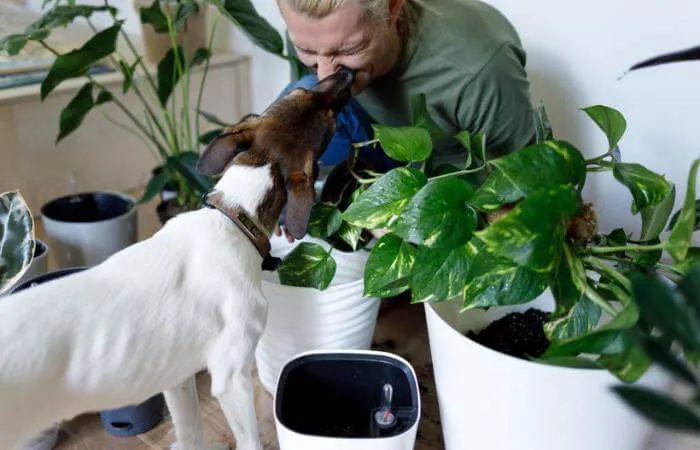
What should you do if a dog chews pothos?
- Move the dog away from the plant. Remove loose plant pieces only if you can do so safely; do not force open a distressed dog's mouth.
- Identify the plant. Keep its nursery label or a photograph, and note approximately when the chewing happened.
- Contact a veterinary professional. Tell them what was eaten, how much may be missing, your dog's size, and any symptoms. The ASPCA Animal Poison Control Center is available at 888-426-4435 in the United States; a consultation fee may apply.
- Follow professional instructions. Do not induce vomiting or give medication or a home remedy unless your veterinarian tells you to do so.
- Get urgent help for serious symptoms. Difficulty breathing, significant swelling or inability to swallow needs emergency veterinary attention.

Are pothos exposures usually fatal?
Most chewing exposures to insoluble-oxalate houseplants cause local irritation rather than life-threatening poisoning, but severity depends on the animal, the amount eaten and the symptoms. Do not rely on a generalized statement that pothos is harmless or inevitably fatal. Any respiratory difficulty requires urgent care. The ASPCA describes potentially severe mouth and throat irritation, drooling, vomiting and swallowing difficulties; its plant database is not a substitute for individual veterinary assessment.
How to keep dogs away from pothos
- Place pothos in a room your dog cannot access, not merely on a low shelf or trailing hanging basket.
- Check for fallen leaves and dangling vines, especially after pruning or moving a pot.
- Give dogs safe enrichment and supervise curious puppies. See Tufts' dog enrichment resource.
- Choose a plant with an ASPCA non-toxic listing if your dog regularly chews foliage; even non-toxic plant material can upset the stomach.

Frequently asked questions
Is pothos also toxic to cats?
Yes. The ASPCA lists Epipremnum aureum as toxic to both dogs and cats because of insoluble calcium oxalates.
Does a single bite mean my dog needs a hospital?
Not every exposure results in a severe reaction, but a veterinarian or pet poison-control professional should advise you about your specific dog. Do not wait for symptoms to become severe before seeking guidance.
Can I keep pothos if I own a dog?
Only if you can reliably prevent your dog from reaching or chewing it. A closed room is generally more dependable than an accessible plant stand.
Sources: ASPCA — Golden Pothos; Pet Poison Helpline — Insoluble Oxalates; ASPCA plant-safety database.