
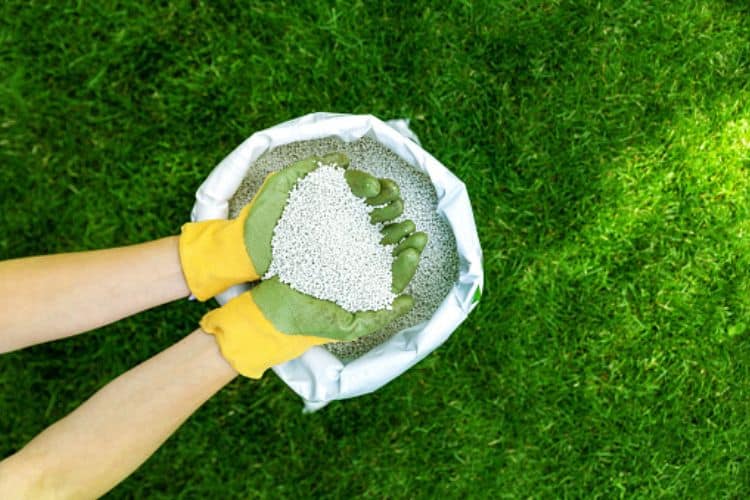
Short answer: For a healthy indoor Monstera, use a complete, labelled houseplant fertilizer suited to your watering habits and growing conditions. A balanced liquid feed is easy to measure; controlled-release granules suit gardeners who prefer fewer applications. The plant's light, root health and seasonal growth are more important than paying extra for a product marketed only for Monstera.
Affiliate disclosure: Swipe Garden may earn a commission from qualifying purchases through some links on the website. The guidance below does not depend on an affiliate relationship.
Liquid, slow-release or speciality fertilizer?
| Fertilizer type | When it makes sense | Advantages | Watch out for |
|---|---|---|---|
| Balanced liquid houseplant feed | You prefer to adjust application frequency as the plant grows | Straightforward to measure and dilute according to label | Easy to dose too often; excess salts can accumulate |
| Controlled-release granules | You want lower-maintenance container feeding | Nutrients release over time | Rates depend on pot size; warm conditions may increase release speed |
| Organic-labelled indoor feed | You prefer this product category and are comfortable with its formulation | Can be suitable when directions fit indoor containers | Odor, mess and nutrient availability vary; organic does not mean risk-free |
| High-nitrogen or speciality foliage feed | Only when plant condition and directions support the choice | May supply a useful nutrient ratio in some situations | Marketing claims do not establish superiority for every Monstera |
How much and how often should you feed?
Read the exact product label for the correct dilution, application method and maximum frequency. Penn State Extension's Monstera as a Houseplant describes a general feeding schedule during active growth, with reduced frequency in winter. That is horticultural guidance, not a requirement to fertilize a plant that is barely growing in a dim winter room. Consider light, temperature, new-leaf production and fertilizer formulation before deciding when to feed.
Do not apply multiple fertilizer formats at full labelled rates simultaneously without accounting for total nutrients. If a potting mix already contains starter fertilizer or controlled-release pellets, feeding immediately after repotting may be unnecessary.
Step-by-step feeding routine
- Check the plant first: Confirm it gets suitable bright, indirect light and has a draining pot. Yellow leaves alone do not prove a nutrient shortage.
- Check moisture: Avoid feeding a severely dry or wilted root ball. Correct watering or drainage problems before adding nutrients.
- Read the label: Measure the fertilizer and water precisely. Never guess dilution by capfuls or tablespoons.
- Apply as directed: Use the manufacturer's method; keep the solution off furnishings and sensitive leaves if the label says so.
- Monitor new growth: Watch for steady leaf production, not an instant color change. If leaf tips brown, investigate salt buildup, water quality, dry air and other causes.
- Reassess seasonally: Reduce or pause feeding during periods of little or no growth, subject to local indoor conditions.
Fertilizer versus watering and light problems
Brown edges, yellowing and drooping can come from root stress, watering, light exposure, pests or fertilizer accumulation. A plant in heavy, wet soil is not helped by more nutrients. Penn State advises thorough watering and allowing the upper potting mix to dry somewhat between sessions. See our Monstera watering guide and yellow-leaf troubleshooting guide before diagnosing a deficiency.
Questions before you buy
Must I use a Monstera-branded fertilizer?
No. Check the nutrient analysis, the manufacturer's directions for foliage houseplants and the form you can apply accurately. A suitable general indoor-plant product can be a better fit than a speciality product with unsupported claims.
Are used coffee grounds or banana peels substitutes?
They do not provide a measurable, balanced indoor fertilizer dose. Adding kitchen scraps directly to containers may create moisture, odor or pest problems. Choose a labelled product when nutrients are genuinely needed.
How do I know if I added too much?
Warning signs can include leaf-tip burn, stunted growth, or visible fertilizer salts, but these symptoms have several possible causes. Review the label, drain and water appropriately, and assess the potting mix before further feeding.
Is Monstera safe around pets?
Monstera plant tissues contain irritating calcium oxalate crystals if chewed. Keep the plant and any fertilizer away from children and pets; contact an appropriate professional if exposure occurs.
Related Swipe Garden guides
Read how to fertilize Monstera, choosing a draining Monstera pot, and Monstera light requirements.