
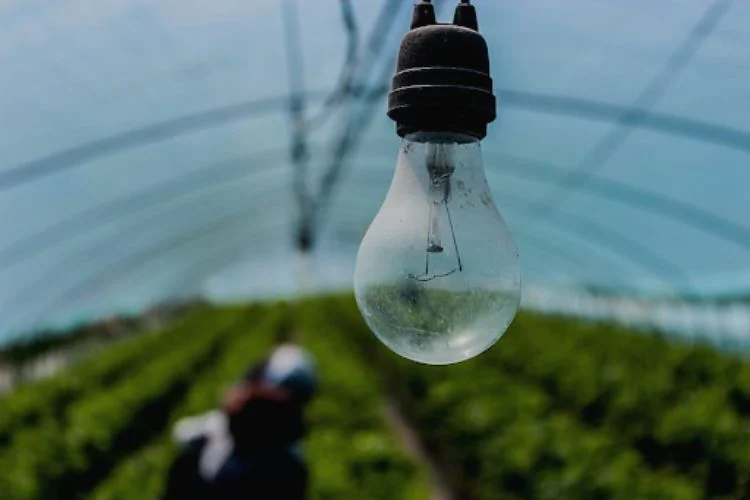
Yes. Ordinary white LEDs and fluorescent tubes can support plant growth if they provide adequate usable light. The difference is mostly output, beam distribution and coverage—not a special magic wavelength found only in bulbs sold for plants.
Choose LED or fluorescent instead of incandescent
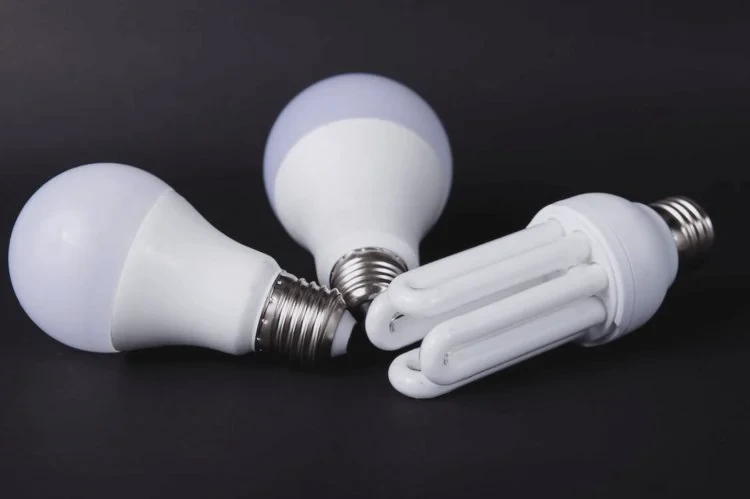
A white LED includes a blend of wavelengths that plants use for photosynthesis. Standard fluorescent shop tubes can also work when they are placed close enough to a seedling tray. University of Minnesota Extension describes both as practical options, with LEDs generally more energy efficient. Incandescent bulbs are poor primary grow lights because their electrical draw and heat are high for the useful light delivered. A bulb intended to illuminate a hallway is not automatically sufficient for an indoor vegetable garden.
Look past wattage marketing
Watts tell you how much electricity a bulb draws, not the number of photons reaching the leaves. For real comparisons, check canopy-level PPFD, actual input watts, footprint and hanging distance. A narrow spotlight can illuminate one compact plant; a wider bar covers several evenly. A fixture labeled '1000W equivalent' may consume far less than 1000 W and should not be compared with measured 1000 W devices. Use a reliable manufacturer chart when available.
Choose a useful spectrum
Balanced white or daylight-like LEDs are usually comfortable to live with and make it easier to spot discolored leaves or pests. Purple lamps concentrate emission around red and blue bands, which plants can also use; purple is not inherently more effective. Color temperature alone does not establish the total quantity of photosynthetic light. For most home foliage plants, uniform coverage and enough daily light matter more than a marketing description such as 'sunlight replacement'.
Mount at a sensible height
A low-output fluorescent or LED shop bar may work relatively close to seedling tops, but high-output grow panels must follow their own safe mounting instructions. If foliage bleaches, check intensity and heat; if new stems lengthen, light may be insufficient. Keep bulbs within the fixture's electrical rating and never drape paper shades or fabric over hot equipment. Adjustable chains or proper brackets are safer than temporary clips above watering trays.
Use a timer and monitor the plant
Most indoor plants should receive a consistent day and night rather than constant illumination. UMN Extension offers different schedules for seedlings, foliage plants and flowers. Light needs can change with plant growth, seasonal window light and the distance between the canopy and bulb. If a plant thrives with a household LED, there is no requirement to replace it just because the bulb has not been branded as a grow light.
Practical setup checklist
- Confirm the lamp's electrical and thermal ratings.
- Choose efficient white LEDs or suitable fluorescent tubes.
- Aim at the leaves and track the resulting growth.
- Use a timer and add coverage where needed.
References
Related: can i use a regular lamp to grow plants · purple vs white grow light · do fluorescent lights help plants grow