
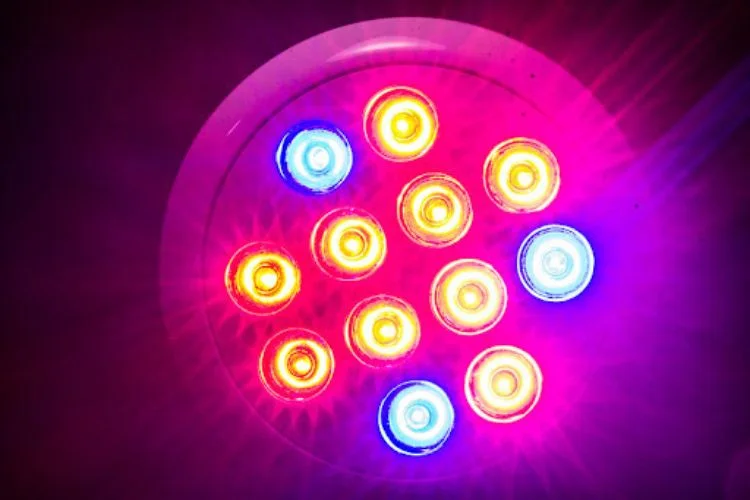
LEDs are generally the simpler choice for new indoor gardens, particularly low-ceiling rooms and shelves. HID lamps such as high-pressure sodium (HPS) and metal halide (MH) can still grow plants, but they typically demand more heat management, specialized control gear and lamp replacement. Judge complete systems using measured canopy output and total operating costs.
What counts as HID?
High-intensity-discharge lighting uses an electric arc inside a gas-discharge lamp. Growers most often mean HPS, metal halide or ceramic metal halide. These require suitable ballasts and are not interchangeable with ordinary home sockets. LEDs generate light with semiconductor diodes controlled by an electronic driver. Different lighting types can supply usable photosynthetic photons; the right selection depends on how they deliver that light over the growing surface.
Efficiency and electricity
A modern LED's photosynthetic photon efficacy can be high, but not every LED fixture is efficient. HID systems also vary with lamp age, reflector and ballast. Check PPF output, PPFD maps measured at specified heights, real wattage and local electricity rates. Compare full costs over years, not a claimed watt-equivalent figure or an unverified yield percentage. Purdue Extension's DLI measure reminds growers that intensity plus exposure time determine the daily supply.
Heat and clearance
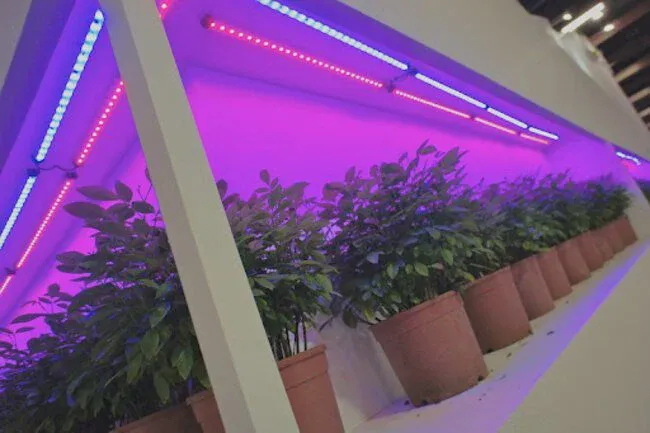
HID sources release considerable radiant heat and typically need greater separation from the canopy and ventilation. LEDs still heat the room, and powerful panels can light-stress leaves if hung too low. Choose fixtures suited to your ceiling height and the room's airflow. A compact shelving setup usually benefits from LEDs. An existing greenhouse installation may make use of HID equipment if the heat and electrical system are deliberately managed.
Spectrum and crop stages
HPS is associated with relatively warm-colored light and metal halide with different spectral emphasis, but broad statements like 'one is for growth and one is for bloom' oversimplify plant responses. Today's LED systems may combine white, red and far-red diodes, with varying designs. Appropriate photon dose, day length, temperature and water matter more than selecting a lamp purely by its visible color. Compare output over the target canopy rather than a photograph of a glowing fixture.
Maintenance and safety
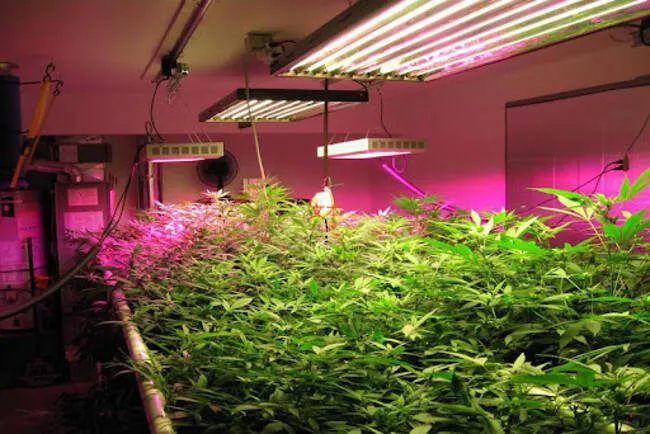
HID lamps and ballasts should be installed exactly as specified and inspected for damage; lamps age and need replacement. LEDs have their own drivers, thermal management and serviceability concerns. Check fixture certification, availability of spares, warranty details and hanging hardware. Do not handle HID lamps immediately after switching off. Keep electricity away from watering operations, and budget for lamp changes if retaining an older system.
Practical checklist
- List your plants, area and ceiling height.
- Compare watts, canopy PPFD maps and heat load.
- Price required ballasts, fans, lamp replacements and dimming.
- Choose secure, appropriately rated electrical fixtures.
Sources and related guides
Read next: cmh vs led · fluorescent vs led grow light · types of grow lights