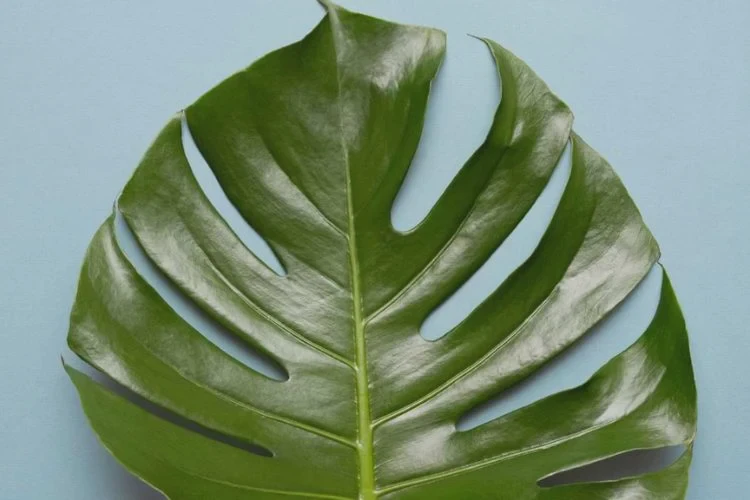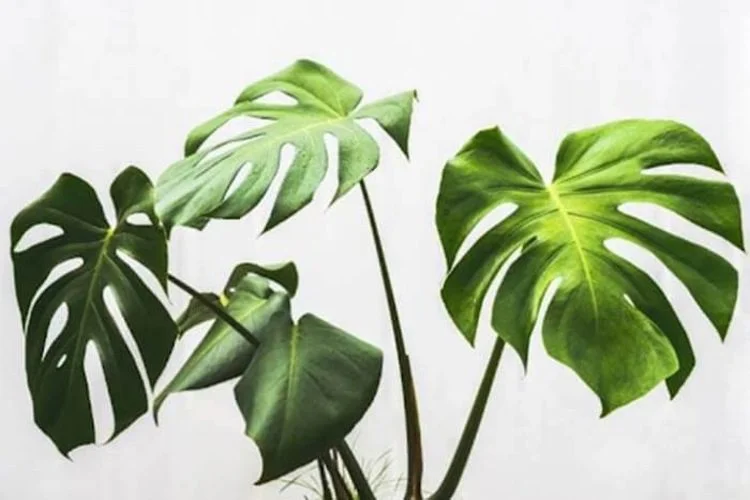
Curling Monstera leaves can indicate water stress, excess heat or sun, root trouble, or pests—but a newly unfurling leaf is naturally rolled before it opens. Look at which leaves curl, when it started, the moisture below the soil surface and any visible insects. These clues are more useful than guessing that every curled leaf needs extra water.
First, distinguish normal new growth from damage
New Monstera leaves emerge rolled and gradually unfurl. As they harden, their angle and surface shape can also change. A single new curled leaf that is still opening is usually not a problem. Investigate when mature leaves curl inward, new leaves are distorted after unfolding, the pot stays wet for days, foliage becomes crispy, or the problem spreads. Compare healthy unaffected leaves to see whether the change is new.
Dry soil and thirsty roots
Check several centimeters below the mix surface. A very lightweight pot, shrinking mix pulling from the container edge and limp or papery leaves point toward lack of water. Rehydrate thoroughly, allowing water to drain from the base; extremely dried peat-based mix may need careful, gradual rewetting. Avoid small surface splashes that leave the center dry. Water again only as the root zone needs it—not automatically because the leaf remains curled. Previously damaged leaves may not become flat.
Wet soil and poor root function
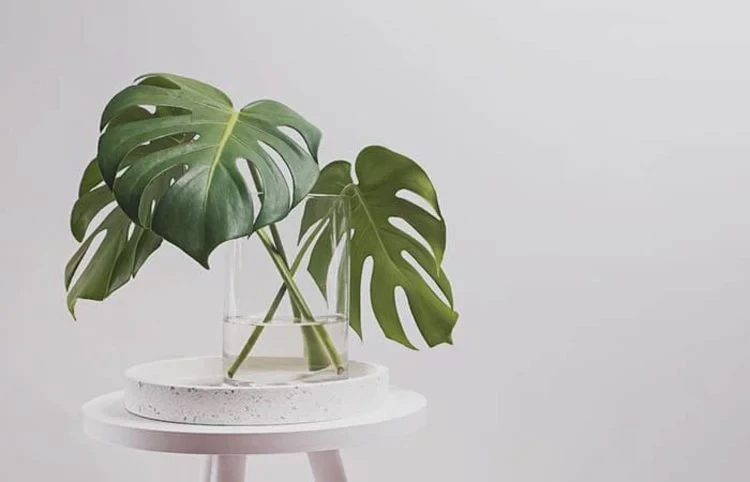
A heavy pot with soil that remains damp deep down, yellowing foliage and persistent drooping raises concern for root stress from excessive moisture. Waterlogged roots struggle to take up water despite the pot being wet. Empty the saucer, verify drainage holes, provide suitable filtered light and inspect the root ball if the plant continues to decline. Mushy, dark roots need attention; firm roots do not justify drastic pruning. Read the Monstera overwatering guide before repotting.
Heat, strong sunlight and drafts
Sun-facing leaves may curl or develop pale, crisp scorch patches after a rapid move into direct midday light. Move the plant to bright filtered light and protect it from a hot window or heater stream. Cold drafts can injure tender foliage and also lead to drooping and dark patches. A thermometer near the pot and a record of recent environmental changes are helpful. Do not move the plant between very dark and very sunny spots repeatedly.
Pests and leaf distortion
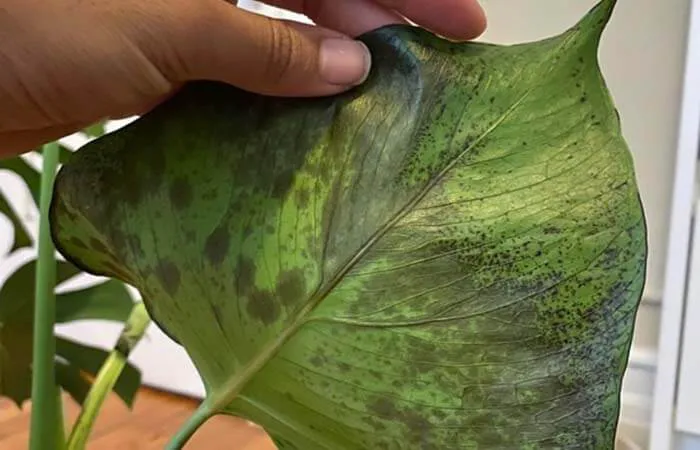
Thrips can scar young expanding leaves, leaving silvery marks, dark droppings and misshapen foliage. Spider mites may create tiny pale stippling and fine webbing; scale often appears as bumps along veins. Inspect the undersides and the rolled centers of new leaves with a magnifier. If insects are present, isolate the plant and choose an identification-specific approach rather than applying a pesticide blindly. See thrips identification and control and scale on Monstera.
What about humidity, fertilizer and small pots?
Very dry indoor air may contribute to edge damage in combination with hot light and thirsty roots, but a humidity tray or misting cannot solve a saturated root ball. Excess fertilizer can damage roots and cause scorched edges, while densely circled roots can make the pot dry unusually fast. Check the physical evidence before giving fertilizer or moving to a much larger pot. Never assume a leaf symptom proves a specific nutrient deficiency.
A quick action plan
- Confirm whether curled tissue is a newly emerging leaf or older damaged foliage.
- Feel below the soil surface and lift the pot to assess moisture.
- Check drainage and inspect roots only when evidence warrants it.
- Inspect both sides of leaves, particularly sheltered new growth, for pests.
- Restore steady filtered light, stable warmth and a suitable watering routine.
- Watch the next healthy leaf rather than expecting old curled or scorched tissue to reverse completely.
Sources: Iowa State Extension on environmental houseplant damage, Iowa State Extension on poor culture, and University of Maryland plant-problem diagnosis.