Orchids vary widely, but common indoor types benefit from species-appropriate light, watering and root care. Explore what to do after flowers fall, how to investigate leaf problems and how to encourage future blooms. Identify your orchid before applying pruning or repotting advice.
Learn how to fertilize Phalaenopsis and other orchids safely: choose an appropriate N-P-K formula, dilute it, water first and adjust feeding to growth.
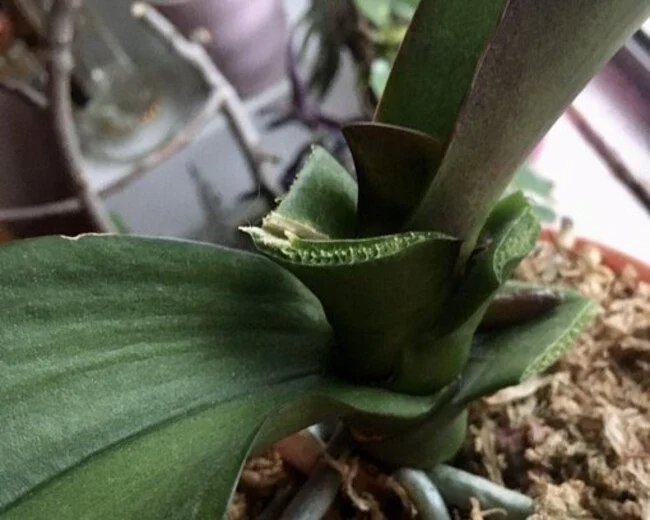
Splits in orchid leaves may follow physical injury or uneven development. Learn when a dry tear is harmless and when spreading soft tissue needs attention.
Orchids can sometimes be fertilized in bloom, but plant growth and species matter more than the flowers. Learn when to feed, reduce or pause fertilizer.
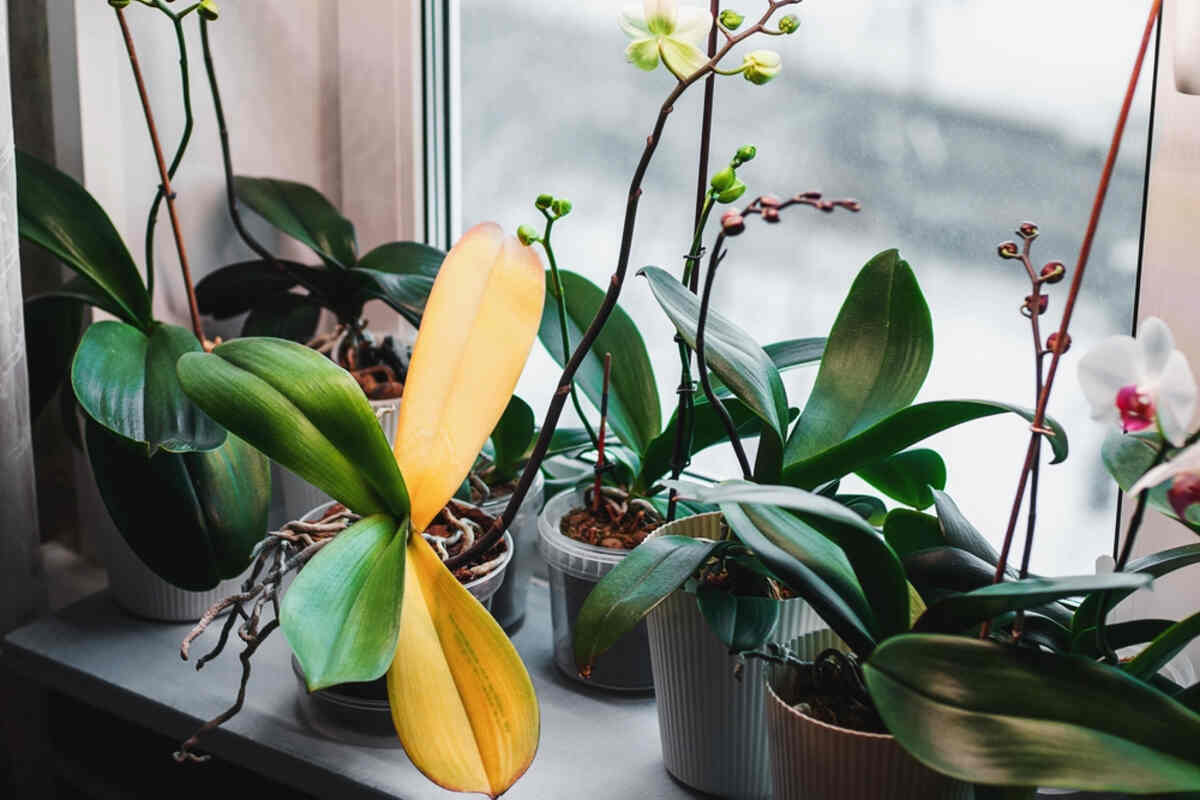
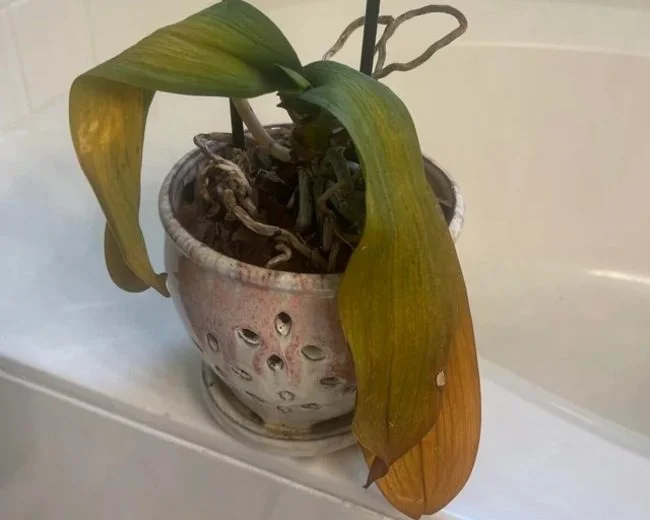
Yellow orchid leaves may be normal aging or signal root damage, sunburn, temperature stress or pests. Use the pattern and root condition to decide what to...
Common moth orchids (Phalaenopsis) are listed by the ASPCA as non-toxic to cats and dogs. Learn why identifying the orchid and checking potting materials still matters....
Some orchids have documented food uses: vanilla is made from the cured fruit of Vanilla planifolia. That does not make an unidentified ornamental orchid safe to...