
Independent gardening guides. Some links earn us a commission at no cost to you. Read our affiliate disclosure
Newsletter
Moth orchid (Phalaenopsis hybrids)

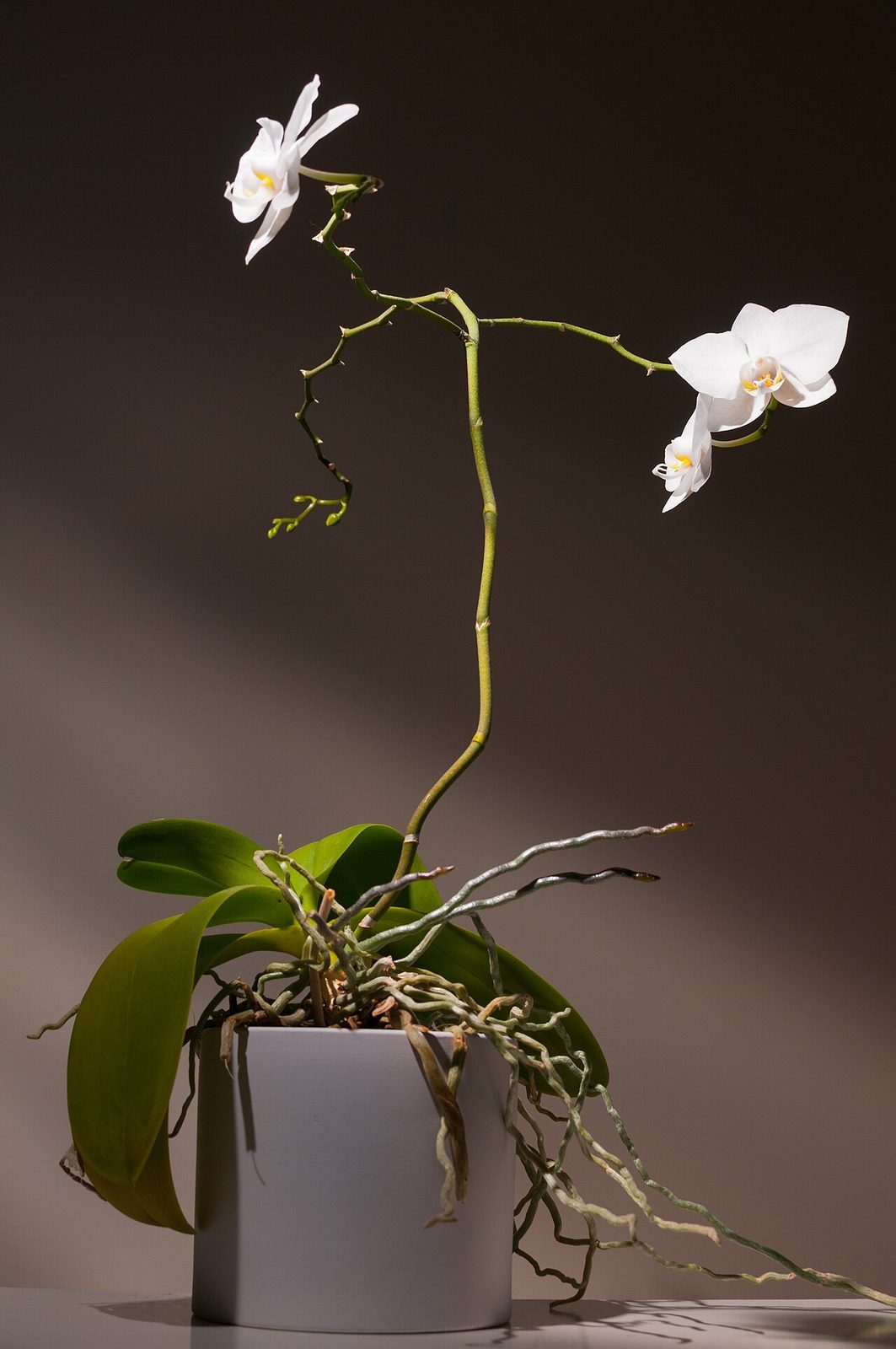
Photo: Francois Polito, CC BY-SA 3.0 via Wikimedia Commons

Moth orchid

Phalaenopsis hybrids · Orchidaceae

Also known as: Moth orchid, Phalaenopsis, Phalaenopsis orchid, Phal, Moon orchid, Doritaenopsis (former hybrid name)

Phalaenopsis hybrids are easy indoor orchids with long-lasting flowers. Give bright light without hot sun, an airy bark mix, and water when nearly dry.

Light
Medium light, Bright indirect light
Care level
Beginner friendly
Where it grows
Indoors
Cats and dogs
Non-toxic to pets Source (opens in a new tab)

The ASPCA lists Phalaenopsis sp. (moth orchid, moon orchid) as non-toxic to dogs, cats and horses. This is a genus-level listing, so make sure your plant really is a Phalaenopsis. The ASPCA also notes that eating any plant material may cause vomiting and stomach upset in dogs and cats. If a pet chews this plant, contact your vet or an animal poison control service.

View My Garden

Check a problem with this plant

How to identify it

Moth orchids are Phalaenopsis, an epiphytic orchid genus from tropical and subtropical Asia and north-east Australia. Most plants sold are unnamed hybrids. NC State notes more than 34,000 registered hybrids, and plants once sold as Doritaenopsis are now classed as Phalaenopsis.

  • A clump of long, leathery, evergreen leaves. There are no pseudobulbs; the leaves are the plant's only real water store.
  • Tall, arching flower stems carrying flat, moth-like flowers, most often white, pink or purple, but also yellow, peach or burgundy, and often veined, spotted or blotched.
  • Plump, silvery-white roots, some of which grow out into the air above the pot.

Light

Moth orchids want a bright spot without hot direct sun. The American Orchid Society (AOS) says they grow easily in a bright window with little or no sun: an east window is ideal, and shaded south or west windows are acceptable. The RHS suggests an east- or west-facing windowsill, bright light in winter to encourage flowering, and keeping plants out of direct summer sun, which can scorch the leaves.

Leaf colour is a useful check. AOS describes healthy leaves as olive green: darker leaves mean the plant is not getting enough light, and red-tinged leaves mean it is getting too much. If a healthy plant does not rebloom, give it more light.

Potting mix and drainage

Grow moth orchids in a loose, airy orchid mix, never ordinary potting soil. The RHS recommends bark-based orchid compost only and warns that loam-based or multipurpose compost will kill them. NC State notes that pure sphagnum moss can be hard to rewet, so such plants are better moved into a bark-based mix.

  • Let excess water drain away, and never leave the plant standing in water.
  • A clear pot lets you see the roots and whether the mix is still moist below the surface.
  • Repot when the plant outgrows its pot or has been in the same bark for about two years. Old bark becomes dense, holds water longer and can rot the roots.
  • Avoid a much larger pot: the extra mix stays wet for too long.

Repot when the roots are active with green tips, ideally after flowering, and snip off roots that are brown, shrivelled, mushy or hollow.

When to water

Water when the mix is nearly dry, not on a fixed day. AOS says moth orchids must never dry out completely, but should be watered thoroughly and then not watered again until nearly dry.

How to check bark or moss:

  • Lift the pot: a nearly dry pot feels clearly lighter.
  • Push a wooden skewer or a finger into the mix; it should come out almost dry.
  • In a clear pot, look at the mix below the surface. Moss stays wet longer than bark.

If the mix still feels damp, wait and check again; AOS advises, "If in doubt, wait a day." When you water, let water run through the pot, then let it drain completely. Water in the morning, and blot any water left in the crown, where the leaves meet, to avoid crown rot.

Humidity and temperature

Moth orchids like the same warmth people do. AOS recommends nights usually above 60°F, and the RHS says to keep them above 16°C (60°F), away from radiators, heaters and draughts. Fluctuating temperatures can make buds drop.

A cooler spell can help flowering. AOS notes that nights down to 55°F for several weeks in autumn help start flower spikes, and the RHS suggests moving a healthy plant that has not flowered for a while to a spot about 5°C (8°F) cooler for a month or so.

They like humid air; AOS suggests 50 to 80 percent. Stand the pot on a tray of gravel only partly filled with water, so the pot does not sit in water, and keep air moving around the plant to help prevent fungal and bacterial disease.

Feeding

Feed lightly but regularly while the plant is growing, using a fertiliser made for orchids at the product label rate. The RHS warns that overfeeding can do harm, and that feeding every time you water lets salts build up in the compost, so it suggests using plain water every fourth time to flush them out.

Feed only sparingly, if at all, in winter. AOS also suggests running clear water through the pot from time to time to flush out accumulated salts.

Propagation

The practical home method is a keiki: a small plantlet that occasionally sprouts from a node on the flower stem. The RHS advises waiting until the keiki has formed several good roots, then detaching it and potting it in orchid compost. Water it sparingly at first, but mist its leaves daily while it settles in.

Moth orchids for sale are raised with modern commercial propagation techniques, which is why they are now so cheap and widely available. For the methods that suit other orchids, see How to propagate orchids: division, keikis and backbulbs.

Growth and size

Moth orchids are epiphytes: in the wild they grow on tree branches, holding on with aerial roots that also take in moisture and nutrients. Roots that climb out of the pot are normal, so don't bury them or cut them off.

Plants range from miniatures 15–20 cm (6–8 in) tall to specimens of 50 cm (20 in) or more, according to the RHS. Flower stems can appear at any time of year, and NC State says the flowers can last four months or more. When all the flowers on a stem have fallen, cutting it just above a healthy node lower down may produce a new flowering side shoot. See Orchid care after flowers fall and How to help an orchid rebloom.

Warning signs

  • Limp, wrinkled leaves. Check the mix and the roots. A dry mix points to too little water, but NC State notes wrinkling can also mean root damage, often from a soggy mix. Healthy roots are plump, firm and silvery-white; brown, mushy or hollow roots are dead. Water a dry plant thoroughly; repot a wet one into fresh bark, removing dead roots. See wrinkled orchid leaves.
  • Yellowing leaves. An old lower leaf fading is normal. If several yellow, check for a wet, broken-down mix and rotting roots. See orchid leaves turning yellow.
  • Dark green leaves, no flowers. Too little light; move it somewhere brighter and give a cooler spell in autumn.
  • Buds dropping. Look for a recent move, draughts or a heater nearby, and keep conditions steady.
  • White, cottony insects. Possibly mealybugs. Check plants regularly and use a product labelled for the pest, following the label.

Related guides

Sources

  1. ASPCA Animal Poison Control: Phalaenopsis Orchid (Phalaenopsis sp.) (checked October 11, 2026)
  2. ASPCA Animal Poison Control: Toxic and Non-Toxic Plants (checked October 11, 2026)
  3. NC State Extension Gardener Plant Toolbox: Phalaenopsis (checked October 11, 2026)
  4. American Orchid Society: Phalaenopsis Culture Sheet (checked October 11, 2026)
  5. American Orchid Society: Novice Culture Sheet: Phalaenopsis (PDF) (checked October 11, 2026)
  6. American Orchid Society: Novice Culture Sheet: Watering Know-how (PDF) (checked October 11, 2026)
  7. Royal Horticultural Society: How to grow Phalaenopsis (moth orchids) (checked October 11, 2026)

Last reviewed