
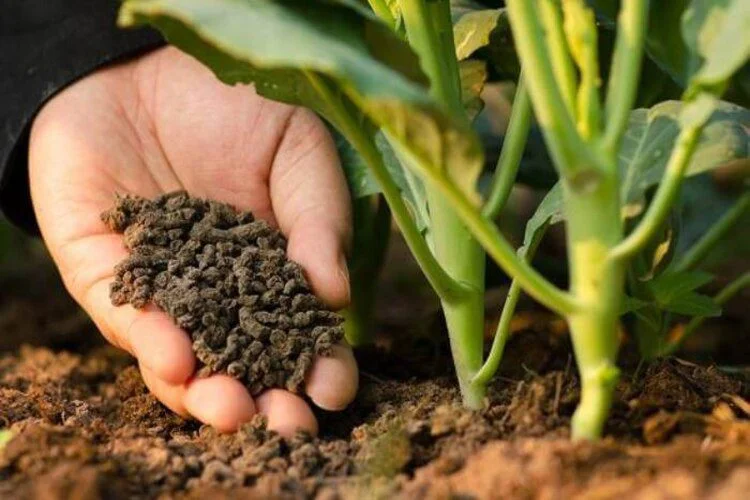
Quick answer: An actively growing pothos may benefit from a modest dose of complete houseplant fertilizer, but it is not a heavy feeder. Follow the product label and scale back when growth slows. More nutrients cannot make up for insufficient light or damaged roots. Epsom salt, banana peels and coffee grounds are not substitutes for a balanced feed.
Choose a complete houseplant feed
Look for a fertilizer that lists nitrogen, phosphorus, potassium and micronutrients. A liquid water-soluble product or a controlled-release indoor formula can both work. Compare recommended use and dilution rather than choosing solely by a larger N-P-K number. Fertilizer labels represent concentrations and need correct measurement. Fresh commercial potting mix may already contain nutrients.
When feeding helps and when it does not
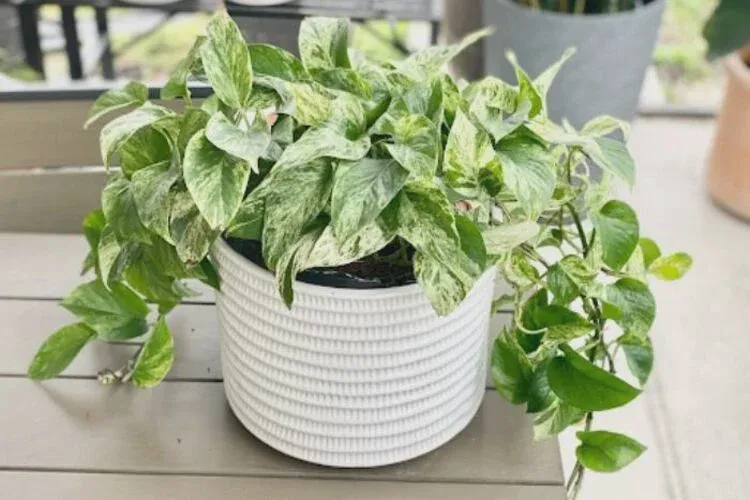
Feed while a healthy pothos is making new leaves in sufficient light. If the plant barely grows in a cold, dark room, fertilizer may accumulate rather than be used. Do not feed a waterlogged, root-rotted or newly stressed plant as a quick cure. Iowa State Extension recommends matching feeding to the growth conditions and reducing it during periods when plants are inactive.
Application steps
First check that the pot drains freely. Read the indoor houseplant dose on the product package and do not combine several feeds. Apply according to the label, usually to evenly moist medium, and let excess drain. Avoid splashing strong concentrate directly on foliage. Keep a record of what was applied so you do not accidentally repeat an application too soon.
Why home remedies are unreliable
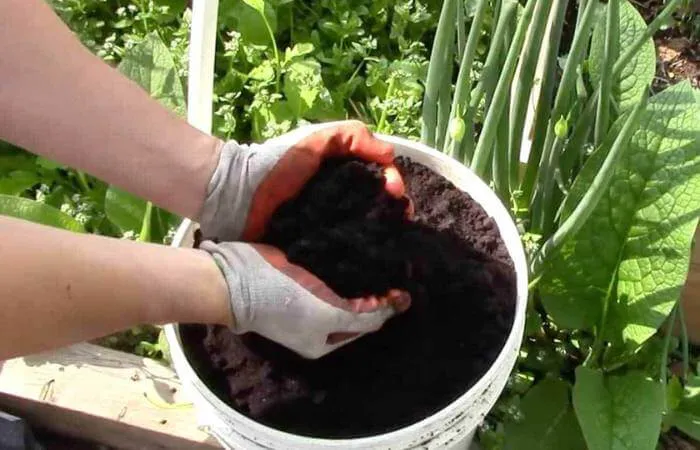
Epsom salt supplies magnesium and sulfur, not the major complete range of nutrients; it is not appropriate unless a specific need exists. Eggshell fragments release calcium slowly and do not immediately correct leaf yellowing. Banana-peel water has highly variable nutrient content, and coffee grounds can affect surface drainage and attract mold or pests in a small pot. Commercial formulations provide measurable nutrient concentrations.
Recognize possible overfertilization
Brown dry leaf tips after heavy feeding, a crust on top of the mix, and declining roots can suggest excess fertilizer salts, although drought and heat look similar. Stop feeding and check the water and root situation first. With a functioning drainage system, thoroughly watering when the pot needs it can help move salts out; heavily damaged or compacted medium may need replacement. Do not flush a pot without drainage.
Frequently asked questions
Is 20-20-20 necessary for pothos?
No. Several complete houseplant products can work at appropriate concentrations.
Should I feed pale variegated leaves?
No. White or chartreuse cultivars have naturally different leaf colors; investigate growth symptoms before feeding.