
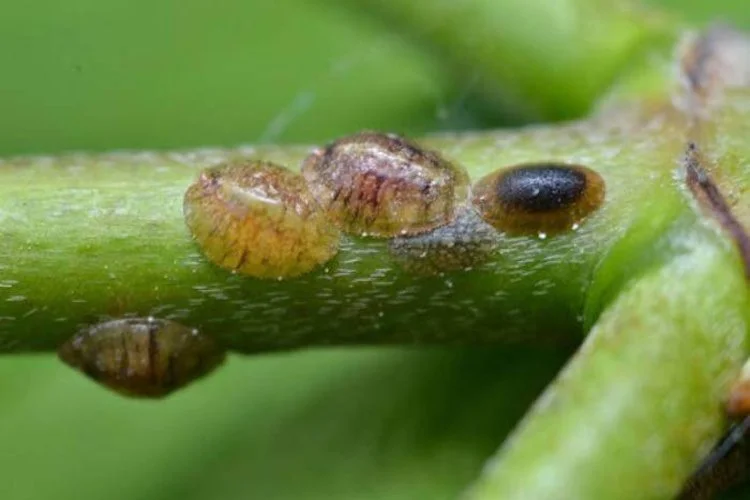
Quick answer: Scale insects look like small fixed bumps on pothos stems or leaves. Soft scales may produce sticky honeydew, followed by black sooty mold. Confirm the insects before treating: isolate the plant, remove accessible scale manually, and use only an indoor-plant-labeled pesticide if further control is needed.
Identify scale rather than a natural stem mark
Look for tan, brown or darker flattened bumps that can be lifted from the surface with gentle pressure. Soft scale often produces honeydew, making nearby leaves or furniture sticky; sooty mold can grow on those secretions. Not all stem spots are insects: aerial-root nodes and scars are normal pothos structures. Inspect with a magnifier and compare multiple positions.
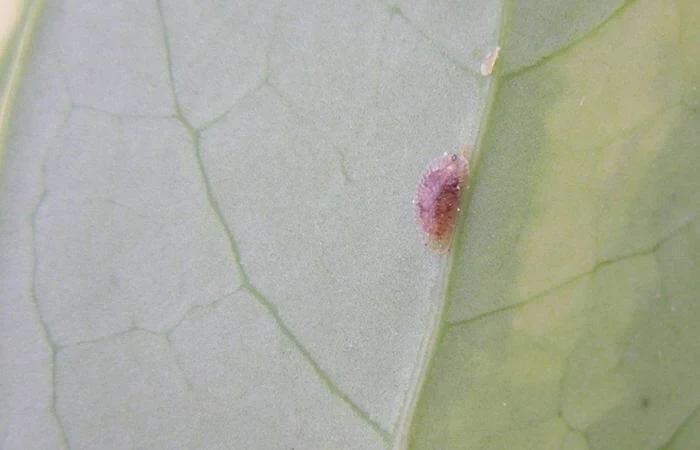
Start with isolation and hand removal
Move the affected plant away from neighbors while you identify the problem. Use a soft brush, cotton swab or fingernail to remove visible insects without damaging tender stems. University of Maryland Extension recommends physical removal as a practical first measure. Check the undersides, stems and leaf-stem junctions again after several days because young scale may be overlooked.
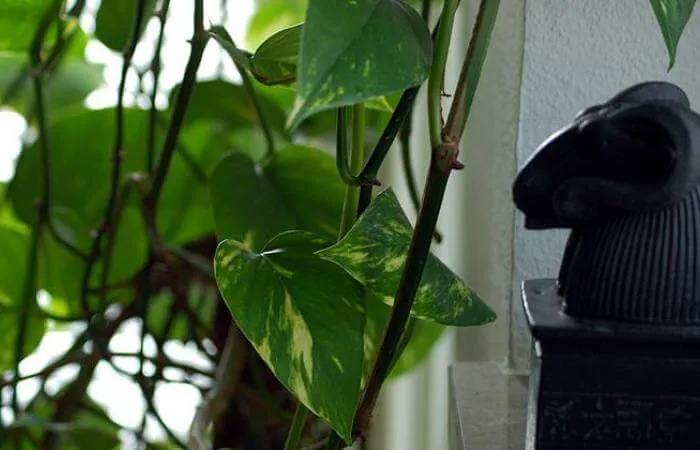
When pesticide is justified
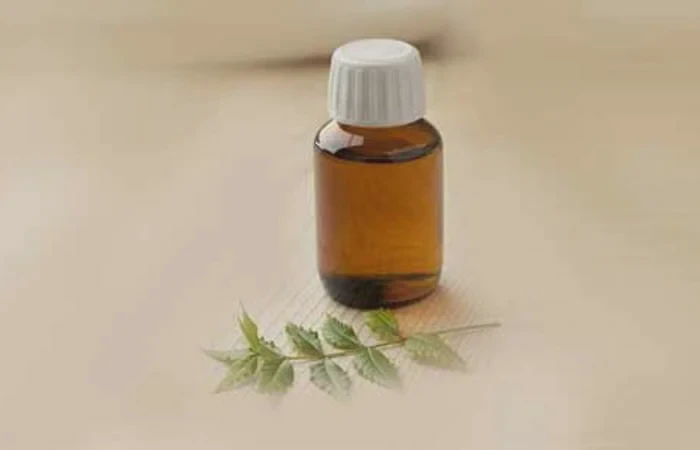
If pests return or the infestation is extensive, select an insecticidal soap, horticultural oil or other product specifically labeled for indoor ornamental plants and the scale species. Follow label dilution, reapplication, ventilation and safety precautions. Do not automatically combine alcohol wipes, neem oil and strong soap on the same day; phytotoxicity is possible. Never use a product intended for outdoor-only application in a living room.
What to do about honeydew and sooty mold
Gently wipe sticky surfaces with a soft damp cloth and address the scale insects that produce the residue. Black sooty mold can remain on leaves even after pests are reduced; improving light interception may require cleaning rather than treating the mold as a pathogen invading the leaf. Avoid scraping foliage roughly or stripping all leaves.
Prevention and monitoring
Inspect new plant purchases, especially stem joints, before placing them near existing pothos. Recheck affected stems weekly for several weeks and monitor healthy new growth. A healthy plant can still develop pests, so proper watering does not replace inspection. Severe yellowing also calls for root and light checks rather than assigning every symptom to scale.
Frequently asked questions
Will fertilizer kill scale?
No. Treat the confirmed insects and correct any separate care problems.
Can I use rubbing alcohol?
Spot-removal may work on some pests, but alcohol can harm foliage; follow extension and label instructions rather than soaking the whole plant.