
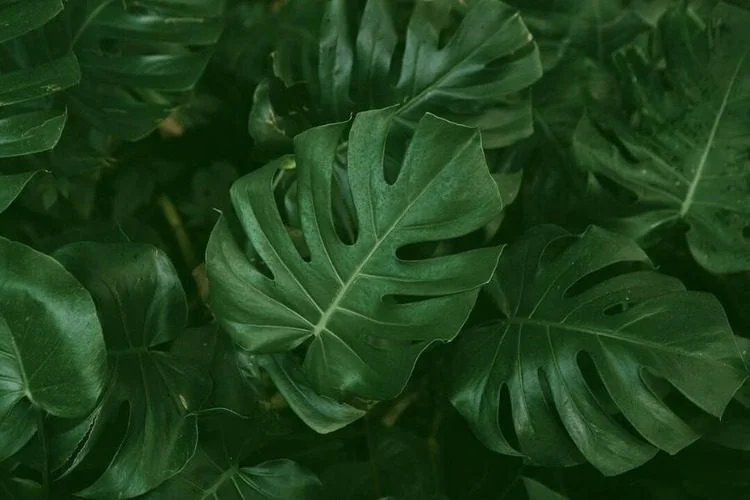
Monstera can grow outdoors in suitable warm climates. In a region with cold winters, the safest option is to move a container-grown Monstera outside only when nights are consistently mild, acclimate it slowly, and bring it indoors ahead of chilly weather. In frost-free tropical and subtropical climates, some Monstera species can grow outdoors year-round with shelter from harsh afternoon sun and appropriate support.
When is it safe to move Monstera outside?
University of Minnesota Extension recommends keeping most tropical houseplants indoors until night temperatures are consistently above 50°F (10°C). Monstera generally grows best in warmer conditions than that minimum, and temperature swings can still stress it. Bring a potted plant inside when nights begin cooling; frost can damage tropical foliage.
According to NC State Extension's Monstera deliciosa profile, this plant is adapted to warm conditions and can be used outdoors in suitable sheltered landscapes. Check local hardiness, actual microclimate and invasive-plant guidance before planting a vigorous climbing vine in the ground.
Choose an outdoor location carefully
| Condition | Suitable approach | What to avoid |
|---|---|---|
| Light | Bright shade, dappled light or gentle morning sun after acclimation | Sudden exposure to strong midday or afternoon sun |
| Temperature | Warm conditions with nights comfortably above 50°F | Frost, cold wind and rapid night temperature changes |
| Pot and drainage | Drainage holes, airy mix and a stable container | Standing water in saucers during rainstorms |
| Wind and support | Sheltered porch or shaded patio; sturdy climbing support | Exposed sites that tear or topple broad leaves |
How to acclimate an indoor Monstera to outdoor conditions
- Wait for settled weather. Check night forecasts, not only the daytime high.
- Begin in full shade and shelter. Set the pot outside for a short period and bring it back indoors at first.
- Extend outdoor time gradually. Over several days to a couple of weeks, increase exposure while checking leaf condition and root-zone moisture.
- Add gentle morning light if appropriate. Avoid an abrupt shift to full sun; leaves formed indoors are not acclimated to outdoor intensity.
- Check the pot after rain or wind. Empty saucers, verify drainage and check whether support ties are secure.
- Inspect before bringing it inside. Check leaf undersides and stems for hitchhiking pests, then move the plant back before nights turn cold.
Watering and feeding Monstera outdoors
A pot outside may dry more quickly because of warmth and airflow, yet heavy rain can saturate it. Check the upper potting mix and root zone, water thoroughly when needed and let excess drain. Do not water daily simply because it is outdoors. Use a labelled complete houseplant fertilizer in modest amounts when the plant is actively growing; do not fertilize a stressed plant to force growth. See Monstera watering advice and fertilizer guidance.
Common outdoor problems
Bleached or tan patches
Strong sunlight can scorch leaves that were grown indoors in shade. Move the plant into bright shelter; damaged patches will not turn green again, but new leaves can develop normally.
Drooping after a cool night
Cold shock, water stress and rough wind can all cause drooping. Move the plant to a warm sheltered location, check roots and drainage and avoid fertilizing while it recovers.
Insects on leaves
Look for spider mites, scale, aphids and mealybugs before using any spray. Start with physical removal when practical and use pesticides only if labelled for the specific pest and setting.
Frequently asked questions
Can Monstera tolerate direct sun?
Some gentle direct morning sun may be tolerated after gradual acclimation, but harsh midday or afternoon sun can burn houseplant foliage.
Can Monstera stay outside all winter?
Only where temperatures and the particular growing conditions remain suitable. Where frost or prolonged cold is possible, bring container plants into a warm indoor space ahead of time.
Is Monstera a philodendron?
No. Although a common name for Monstera deliciosa is “split-leaf philodendron,” it is botanically in the genus Monstera, not Philodendron.
Related resources
Read Monstera light requirements and humidity guidance.