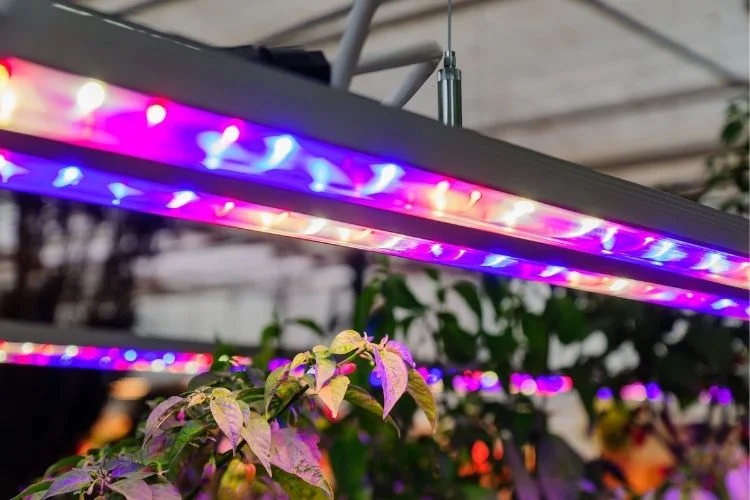
Learn how plant lighting works before choosing a fixture. Explore grow-light placement, light intensity, duration, seed starting and plant-specific needs, alongside buying guides for common setups. Compare manufacturers' actual specifications and room conditions instead of relying on wattage or marketing labels alone.
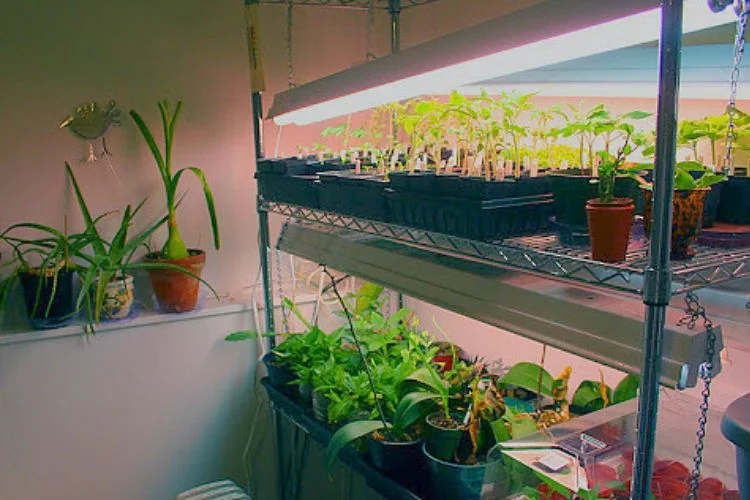
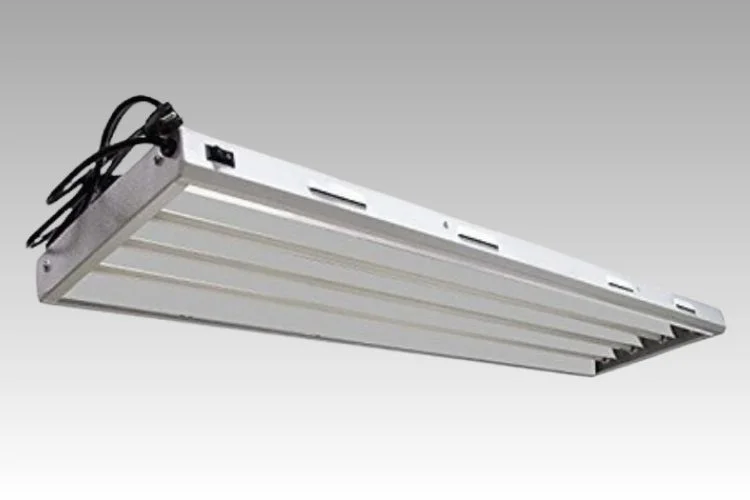
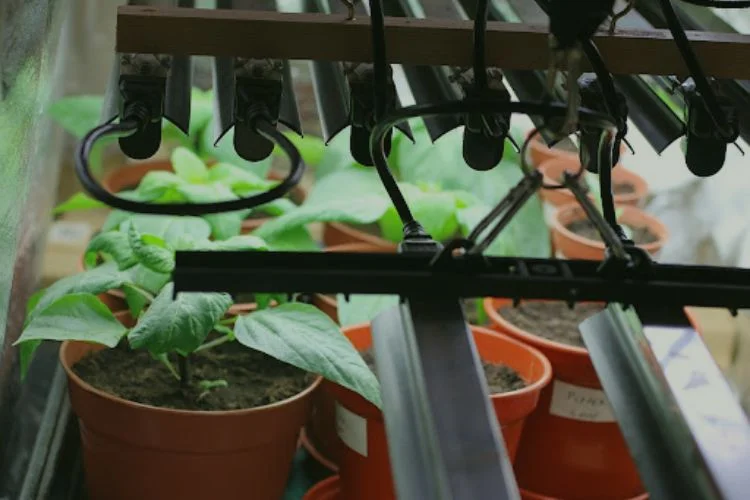
For most home plant shelves, efficient LEDs are the easiest starting choice. Fluorescent shop lights remain useful for seedlings, while HID technologies such as HPS, metal...
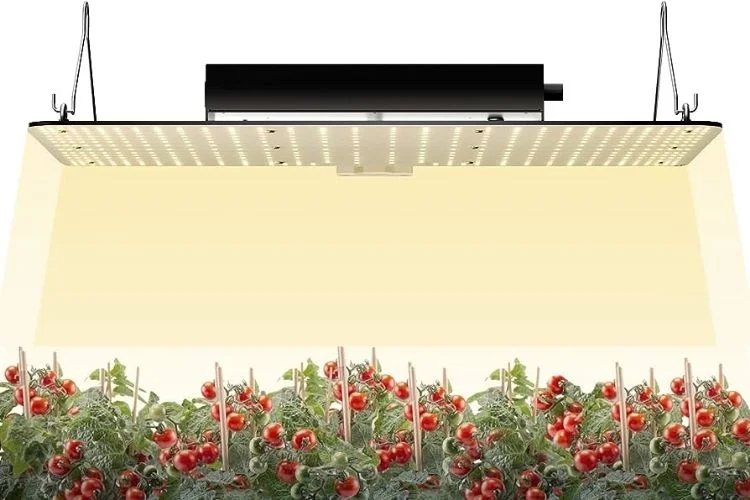
VEVOR offers multiple full-spectrum LED board lights with different watt classes and advertised coverage. The model selected on the product page matters more than a generic...
ViparSpectra publishes different power and footprint options rather than one universal grow light. Documented examples include XS1000 at 100 W, XS1500 Pro at 150 W, and...
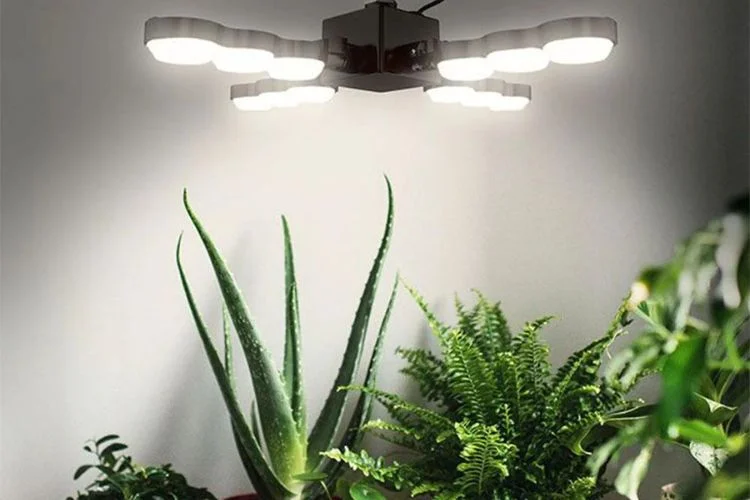
SANSI's BR30 white-spectrum grow bulbs can be practical for a few indoor plants in open, compatible fixtures. Two documented choices draw 24 W and 36 W...
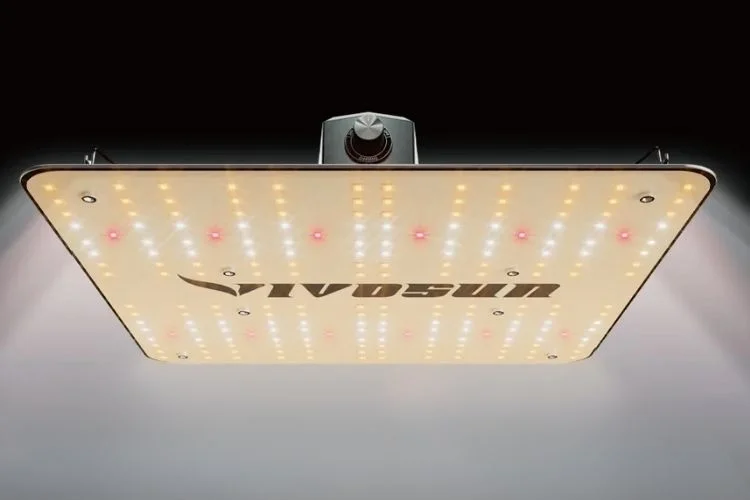
The VIVOSUN VS1000 is a documented 100 W LED board with dimming and a compact target growing area. The manufacturer's flowering coverage claim is about 2-by-2...
Yes. Grow lights can scorch or bleach foliage when the light reaching the leaves is too intense, and some lamps also heat nearby leaves. LEDs generally...
Neither VIVOSUN nor ViparSpectra is automatically best. Both offer LED models spanning different power classes, so compare fixtures of a similar real wattage and intended footprint....
Both fluorescent tubes and LED grow lights can support indoor plants. LEDs are usually preferable for a new installation because of energy efficiency, longevity and available...