Learn how plant lighting works before choosing a fixture. Explore grow-light placement, light intensity, duration, seed starting and plant-specific needs, alongside buying guides for common setups. Compare manufacturers' actual specifications and room conditions instead of relying on wattage or marketing labels alone.
Most home seedlings and houseplants should have a consistent night period, not 24-hour lighting. More hours do not automatically mean healthier growth: the useful daily dose...
For ordinary seed-starting fluorescent or low-output LED bars, extension guidance commonly puts the lamp only a few inches above the seedling tops. University of Minnesota suggests...
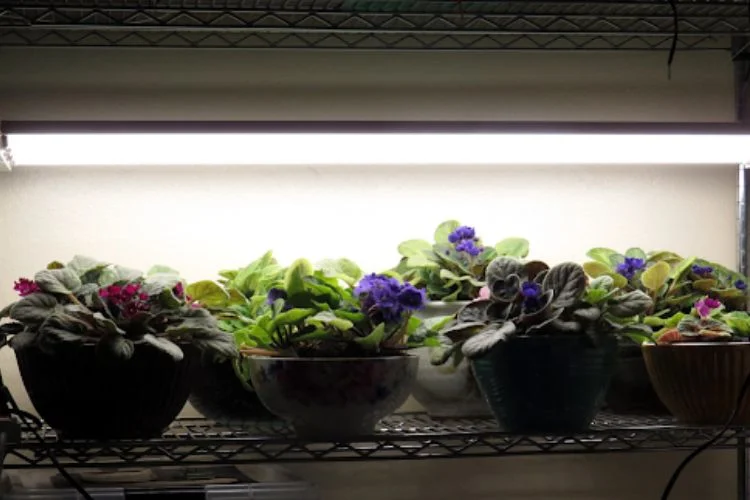
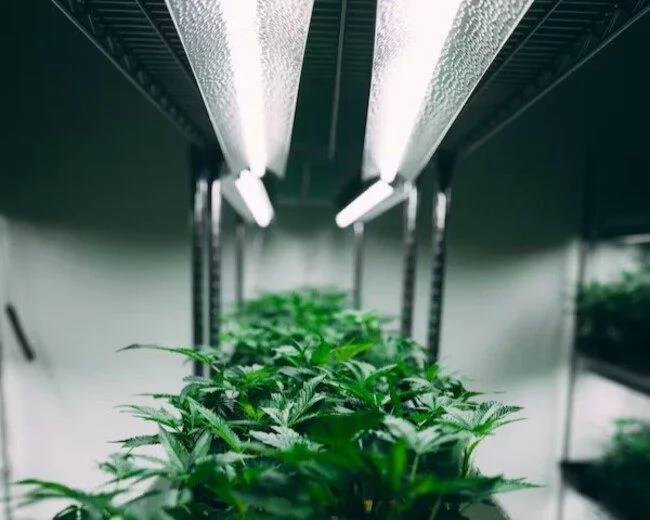
Yes. Fluorescent shop lights can grow seedlings and supplement indoor foliage when their tubes are close enough and their output covers the crop. Modern LEDs are...
Yes, if it supplies enough light at the leaves. A normal desk or floor lamp holding a sufficiently bright white LED or fluorescent bulb can supplement...
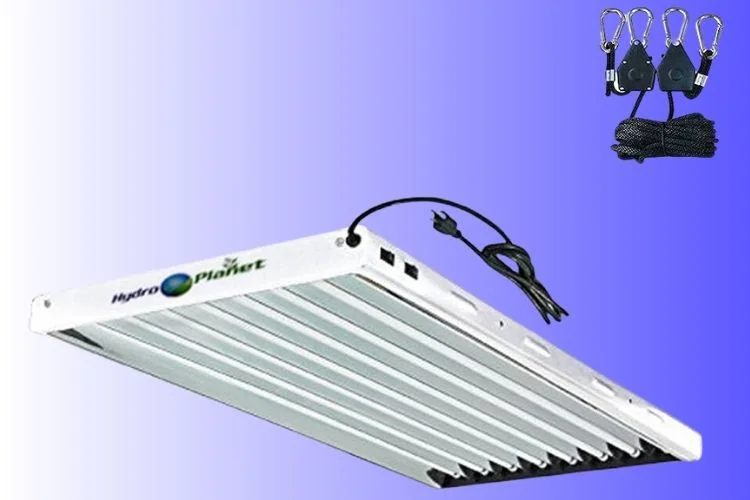
T5 and T8 describe fluorescent tube diameters, not an automatic ranking of grow-light quality. T5 tubes are five-eighths of an inch in diameter and T8 tubes...
Sunlight is a highly effective light source for plants, and grow lights are useful where natural light is insufficient, inconsistent or difficult to control. A well-designed...
A grow light is designed and specified for plant lighting, while an ordinary lamp is intended for people. Both can emit light plants use; the important...
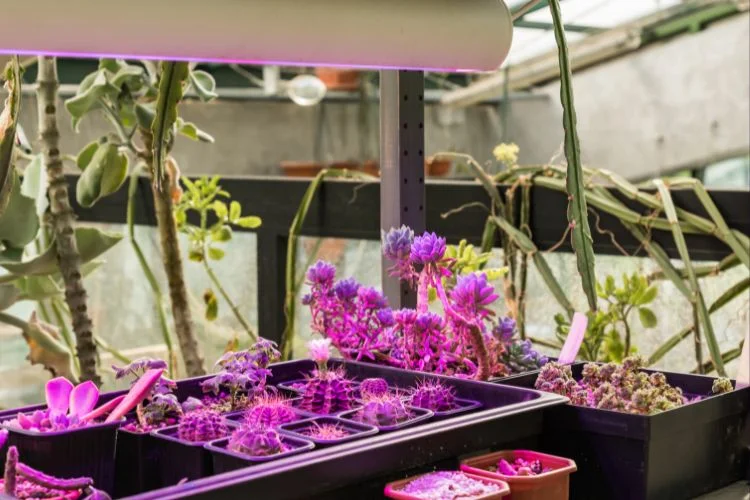
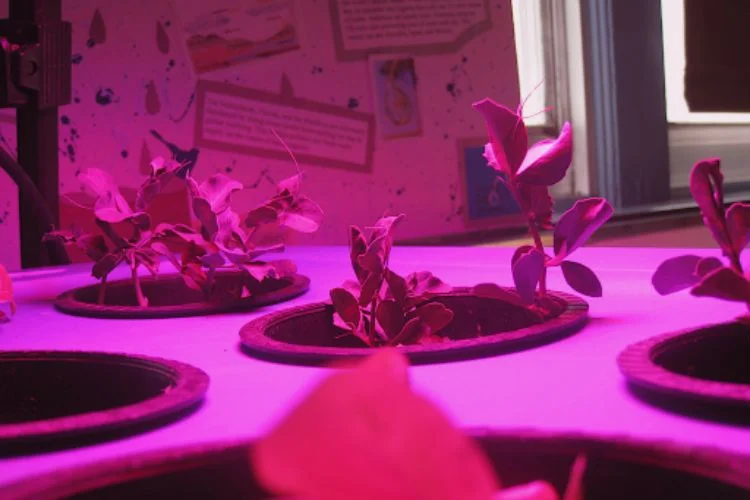
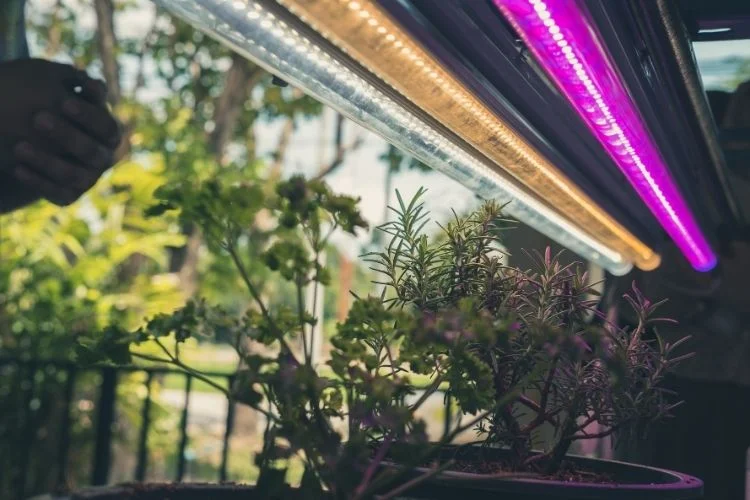
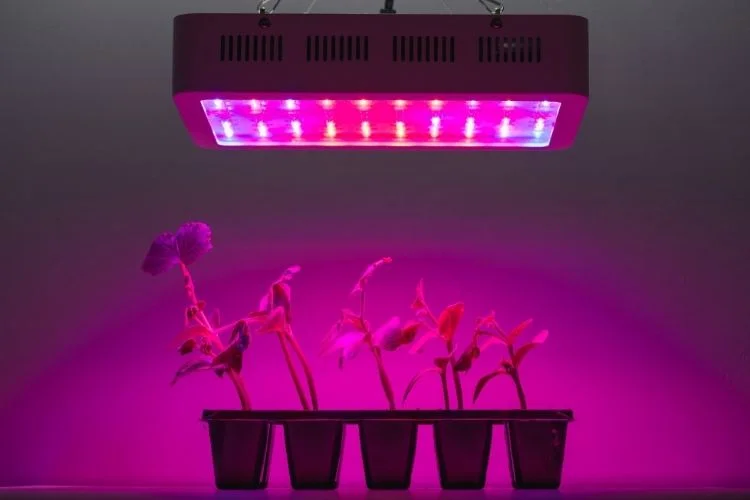
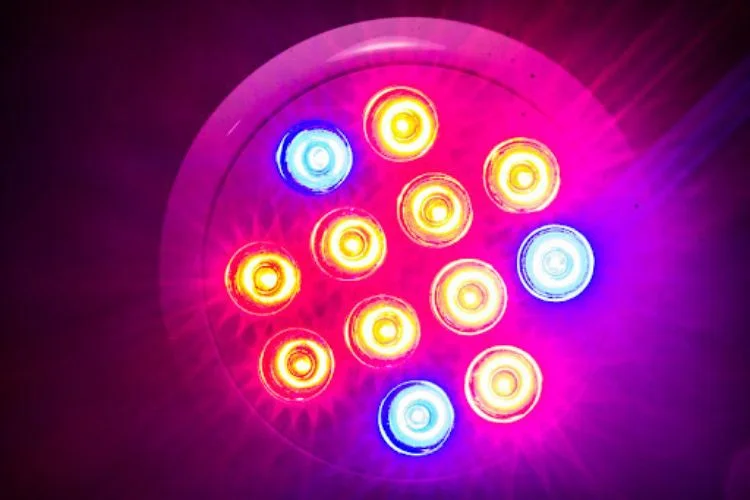
Both purple and white LED grow lights can grow plants when they provide enough usable photons. Purple fixtures mix strong red and blue emissions; white-looking fixtures...
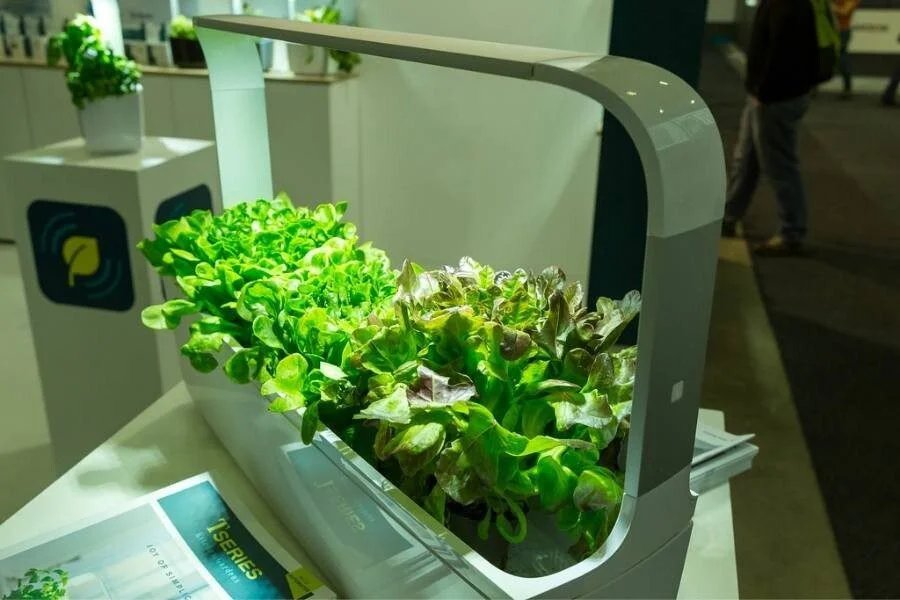
For most new home setups, a modern LED makes lighting simpler: adjustable output, typically better efficiency and less radiant heat at the canopy. Ceramic metal-halide (CMH)...
LEDs are generally the simpler choice for new indoor gardens, particularly low-ceiling rooms and shelves. HID lamps such as high-pressure sodium (HPS) and metal halide (MH)...