
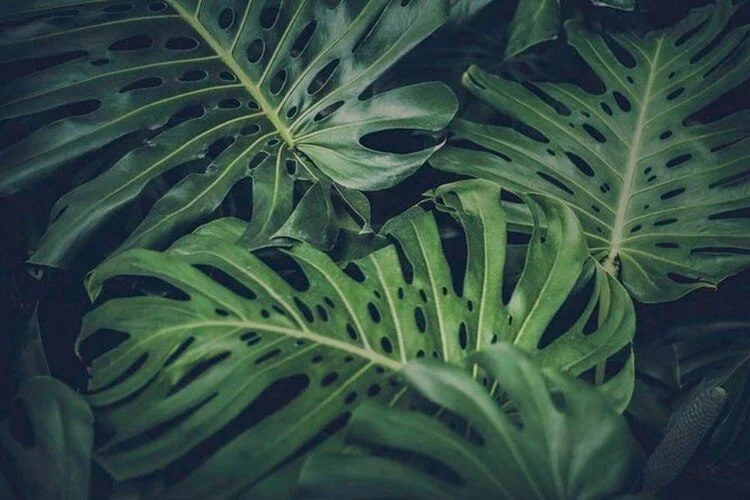
Yes, Monstera can grow roots in water. A stem cutting with at least one node can produce roots in a clean jar, making water propagation an easy way to start a new plant. Keeping a mature Monstera growing in water over the long term is more demanding: roots need oxygen, the container needs cleaning, and a water-grown plant eventually needs a balanced hydroponic nutrient supply rather than plain tap water alone.
Water propagation versus growing permanently in water
| Method | Best for | What it requires |
|---|---|---|
| Rooting a cutting in water | Starting new plants and monitoring roots | Healthy stem node, clean water, bright indirect light and later potting |
| Keeping rooted Monstera in water | Small specimens and growers able to maintain a water system | Clean container, periodic water changes, balanced hydroponic nutrients and root monitoring |
| Growing in potting mix | Most long-term houseplants, especially larger climbing specimens | Well-draining soilless mix, a pot with drainage, support and moisture-based watering |
How to root a Monstera cutting in water
- Find a node. Choose a healthy stem section that includes a node, the point where a leaf attaches. A leaf or petiole without stem-node tissue is not a reliable way to produce a new Monstera vine.
- Cut cleanly. Use clean, sharp shears to cut below a node. Avoid crushing the stem or pulling a cutting off by hand.
- Choose a clean glass or jar. Add enough room-temperature water to cover the node, but leave most foliage above the surface. Aerial roots may also develop water roots.
- Set the jar in bright, indirect light. Avoid strong hot sunlight that can overheat water and scorch the foliage.
- Refresh the water regularly. Replace it when cloudy and clean the container; inspect the stem for soft, dark or foul-smelling decay.
- Pot once roots are established. Move the rooted cutting to a small draining pot with suitable houseplant mix rather than waiting for a tangled mass of fragile water roots. Water well and allow time for roots to adapt to the new medium.
Iowa State University Extension's stem-cutting guide describes node placement, rooting media, water changes and the adjustment required when cuttings move from water to potting mix.
Can a Monstera stay in water indefinitely?
It can remain in water much longer than the rooting stage, but plain water is not an adequate nutrient source for sustained vigorous growth. A long-term water-growing setup needs a diluted hydroponic fertilizer formulated for water culture, following its label, and consistent attention to dissolved oxygen, container cleanliness and root condition. Larger plants also need sturdy support.
Water-grown roots do not eliminate the risk of root rot. Stagnant, poorly oxygenated conditions can still damage roots even when there is no soil. Unlike an ordinary pot, a sealed decorative vase may not give adequate aeration for a mature plant.
Common problems and quick solutions
Roots turn black and feel soft
Check for root rot, remove clearly dead or mushy tissue with clean tools, wash the vessel, replace water, and reassess ventilation and nutrient concentration. Brown roots are not automatically dead; texture and odor provide more information than color alone.
Leaves become yellow or smaller
Check available light, the roots and nutrient supply before guessing. Nutrient shortages, root stress or changing environmental conditions can all reduce growth. A rootless leaf cutting will not become a new climbing vine simply by adding fertilizer.
Algae grows on the glass
Light entering a clear water vessel can favor algae. Keep the container clean and consider an opaque vessel or a cover that limits light to the water while allowing the plant to receive light.
When is soil the better choice?
For a large Monstera with multiple climbing stems, a stable container with an airy, well-drained mix is usually easier to manage than a narrow water vase. Penn State Extension's Monstera care guide recommends well-drained soil, appropriate watering and structural support for vigorous growth.
Frequently asked questions
Should I use distilled water?
Not necessarily. Ordinary potable tap water is usable in many areas. If local water is very hard or treated in a way that affects sensitive plants, evaluate water quality. For long-term hydroponic growing, water chemistry also affects fertilizer formulation.
How often should I change the water?
Change it often enough to keep it clean and oxygenated, and whenever it becomes cloudy or develops an odor. Check frequently rather than relying on one universal schedule.
Can I move a water-rooted Monstera into soil?
Yes. Pot it into an appropriately sized container with drainage, keep the new medium evenly moist as the cutting establishes and then shift toward normal moisture-based watering.
Related Monstera guidance
See how to propagate Monstera, watering in potting mix, and light requirements.