Explore core plant-care topics: light, potting soil, fertilizer, compost and growing conditions. These guides explain underlying principles and common trade-offs so you can make informed choices for individual plants. For a specific species or symptom, consult our more focused houseplant and garden guides.
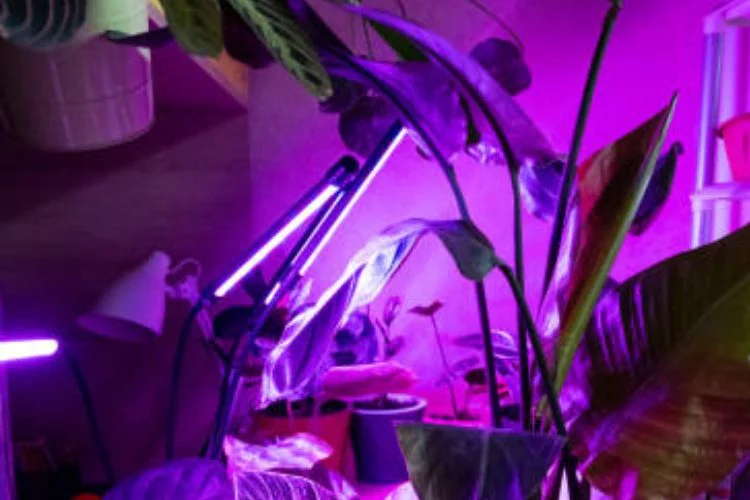
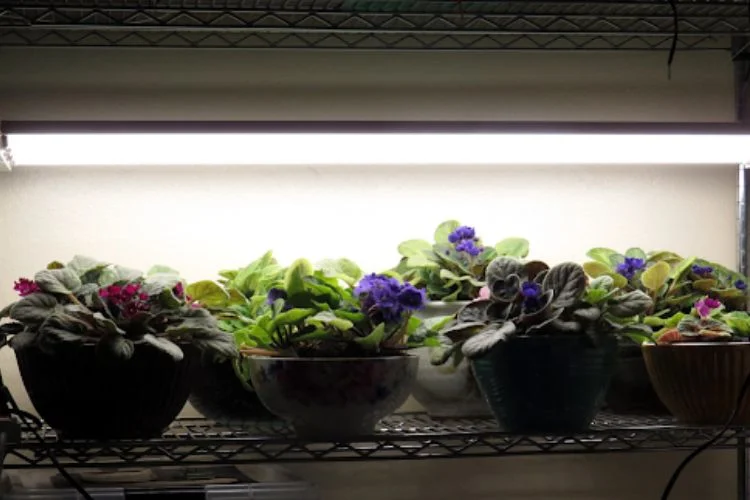
Suspend grow lights from mounting points rated for the fixture's full weight, then adjust height using the manufacturer's canopy-distance guidance. An adjustable, secure mounting method is...
Most home seedlings and houseplants should have a consistent night period, not 24-hour lighting. More hours do not automatically mean healthier growth: the useful daily dose...
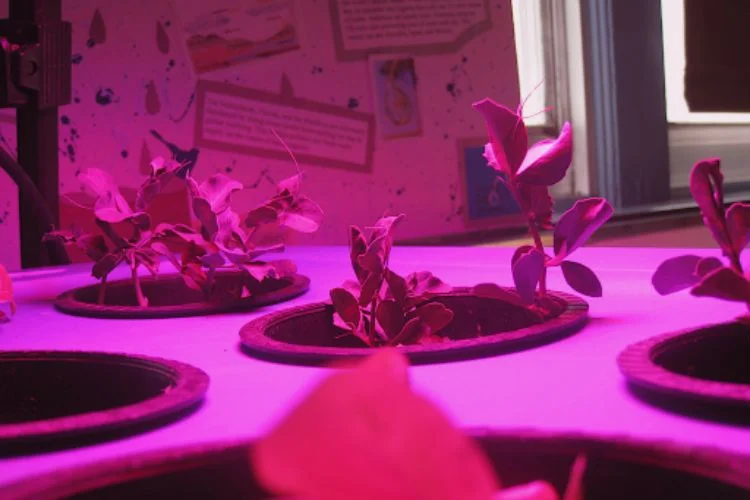
For ordinary seed-starting fluorescent or low-output LED bars, extension guidance commonly puts the lamp only a few inches above the seedling tops. University of Minnesota suggests...
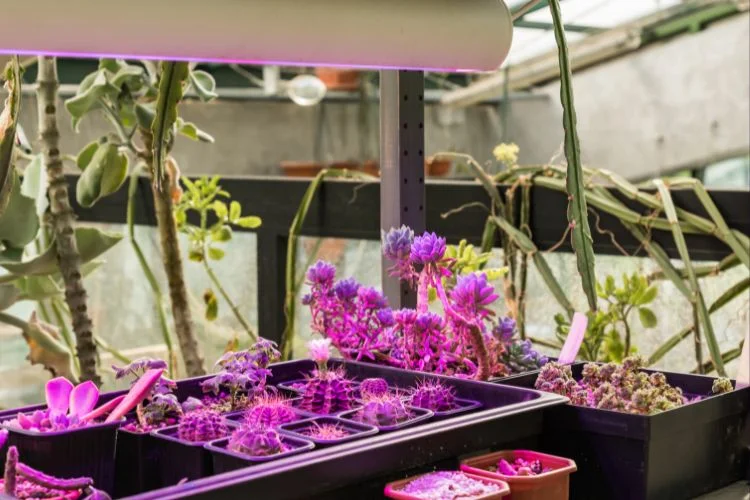
Yes. Fluorescent shop lights can grow seedlings and supplement indoor foliage when their tubes are close enough and their output covers the crop. Modern LEDs are...
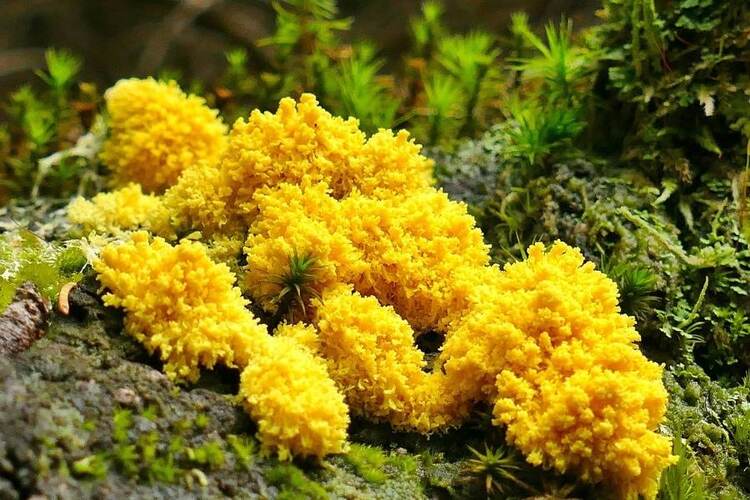
Yellow material in potting mix may be saprophytic fungus or a yellow houseplant mushroom, not necessarily plant disease. Learn safe identification clues, moisture fixes and pet...
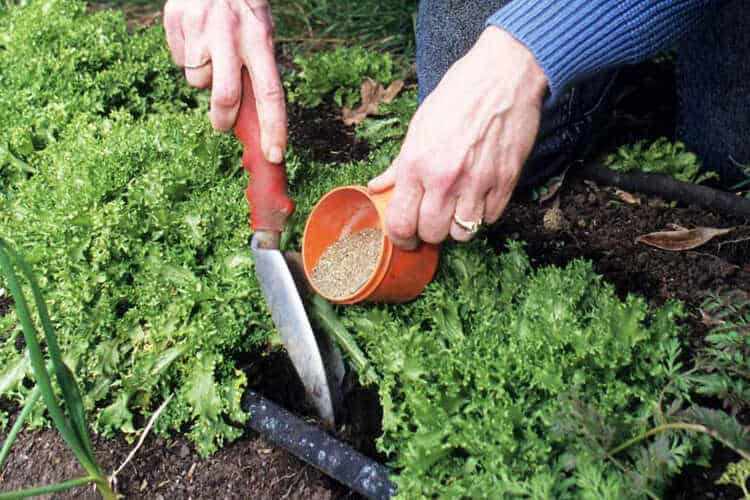
Morning is often convenient, but fertilizer type, soil moisture, weather and the product label matter more than a particular hour. Learn when to feed and when...
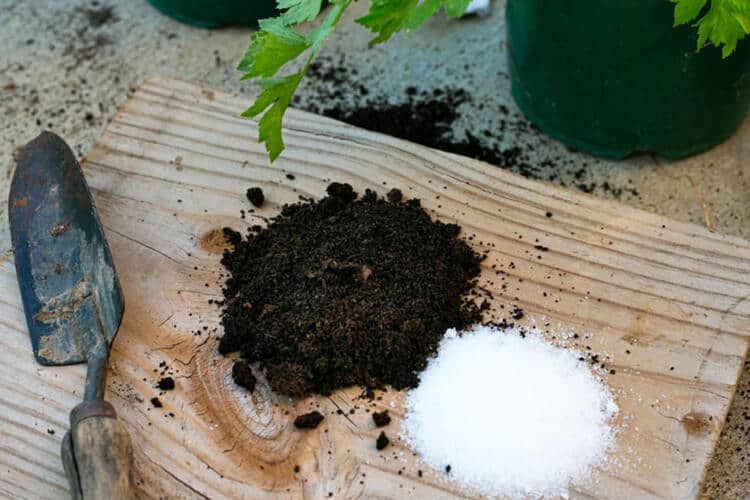
Epsom salt supplies magnesium and sulfur, not a general growth booster. Mix it with fertilizer only when a deficiency is confirmed and the product instructions allow...
Granular fertilizer has no single dissolution time. Water-soluble, organic and controlled-release pellets behave differently; learn what governs nutrient release and how to use each.
An all-purpose fertilizer can serve many plants, but not every crop or container needs the same N-P-K ratio or dose. Learn when one product is enough...
There is no universal compost-to-soil ratio. Existing beds often need a modest surface layer; new beds can take more mixed into native soil. Learn the difference...